What Is Water Softener System

Ever wonder why your soap doesn’t lather well, or why your dishes come out spotty? Or maybe you’ve noticed a chalky white crust around your faucets and thought, “Is that snow?...

Ever wonder why your soap doesn’t lather well, or why your dishes come out spotty? Or maybe you’ve noticed a chalky white crust around your faucets and thought, “Is that snow?” No, that’s probably hard water, and it’s working against you.
A water softener system is basically your home’s personal water wizard. It zaps the minerals—mostly calcium and magnesium—that make water “hard.” Think of it as a spa treatment for your pipes, appliances, and skin.
Hard water isn’t dangerous to drink, but it’s a sneaky villain in your daily life. It leaves soap scum in your shower, dries out your hair, and makes your clothes feel stiff—like they’ve been through a desert.
Must Read
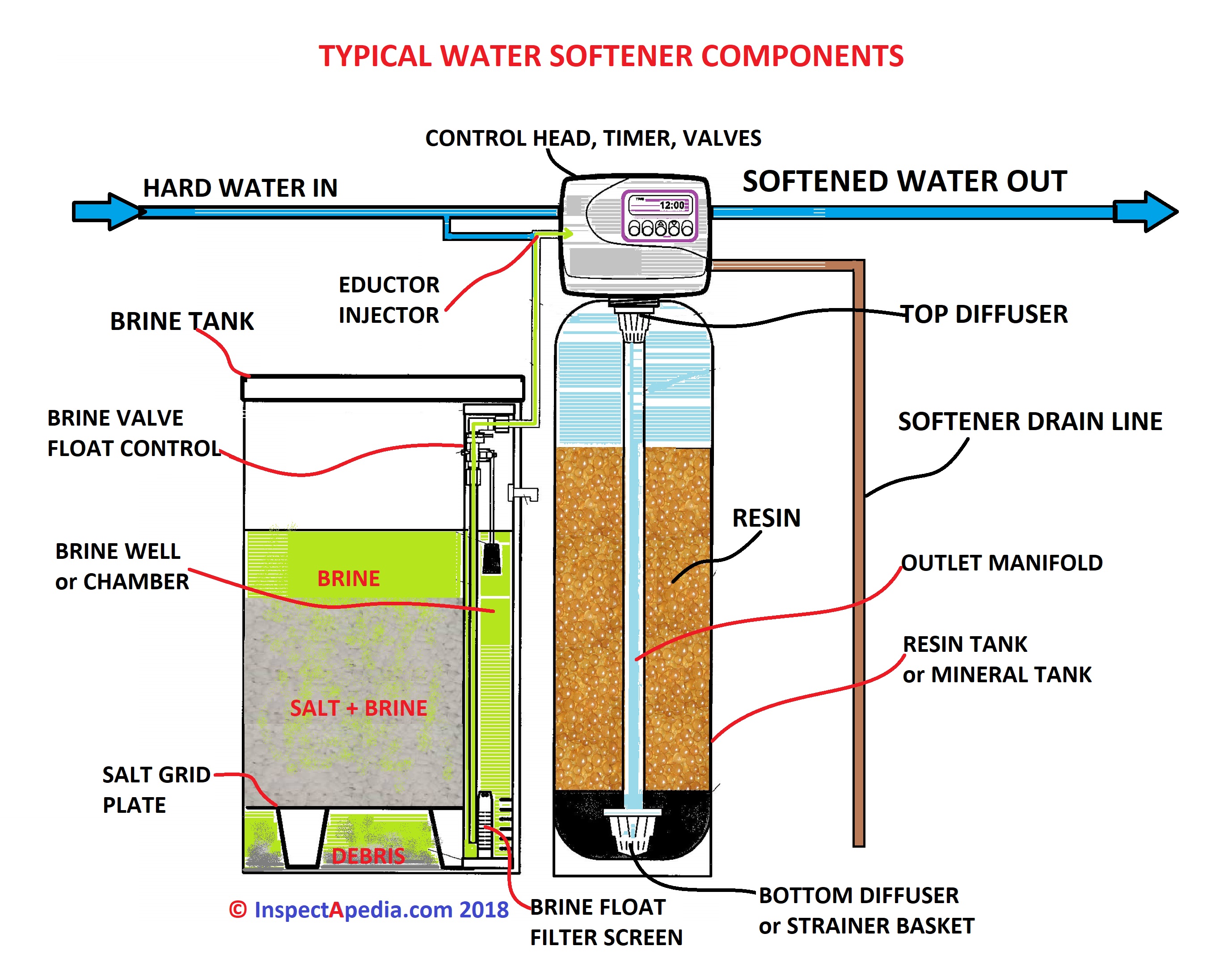
So, how does this magic box work? The most common system uses a process called ion exchange. It’s like swapping out grumpy guests for friendly ones.
Inside the tank are little resin beads covered in sodium or potassium ions. When hard water flows through, the calcium and magnesium ions stick to the beads, and the sodium ions jump into the water instead.
Eventually, the beads get full of the bad stuff—like a sponge that’s soaked up too much dirt. That’s where regeneration comes in. The system flushes the beads with a brine (salt) solution, kicking the hard minerals out and recharging for round two.
Why should you care about soft water?
First, your appliances will thank you. Hard water builds up scale inside your water heater, coffee maker, and washing machine, cutting their lifespan in half. Soft water keeps them running smoothly—like giving them a daily vitamin.
Second, your skin and hair become fans. Hard water can leave a film on your skin that clogs pores and makes hair look dull. Soft water rinses clean, so you feel like you just left a fancy spa—no extra products needed.
 Water Softener System For Tankless Water Heater | Gas Furnace
And third, it saves you money. You’ll use less soap, shampoo, and detergent because soft water lathers better. Plus, you’ll avoid costly repairs from clogged pipes and appliances.
How do you know if you need one?
Have you ever tried to wash your hands and the soap just won’t rinse off? That’s a classic sign. Another clue: when you dry your glasses, they look like a leopard’s spots from white residue.
Test your water visually, or buy a simple test strip online. If your water has more than 7 grains per gallon of hardness, a softener is a smart upgrade. It’s like discovering you’ve been wearing shoes with rocks inside.
Now, not all softeners are alike. There are salt-based systems (the most effective for really hard water) and salt-free conditioners (which don’t remove minerals, but prevent scale). Salt-based wins for total hardness, while salt-free is gentler if you’re on a low-sodium diet or worry about wastewater.
Installation can be DIY if you’re handy with pipes, or you can call a plumber to set it up. Think of it as a small weekend project with a huge payoff—like finally fixing that noisy drawer.
Here’s a fun comparison: Hard water is like a bad roommate that leaves stains in the sink and breaks your appliances. A water softener is the landlord who kicks them out and brings in a clean, cooperative tenant.
 Water Softener System Not Working – UMDGF
Some folks worry about the salt used in softeners. Yes, the regeneration process sends salt water down the drain, but modern systems are efficient. If you’re eco-conscious, look for high-efficiency models that use less salt and water.
You might also wonder: does soft water taste salty? Actually, no—the sodium level is very low, often less than a slice of bread. If you’re concerned, install a separate drinking water filter for peace of mind.
The coolest part?
Once you have soft water, your whole home feels different. Your shower gel becomes luxurious, your glassware sparkles like new, and your laundry smells fresher without extra fabric softener. It’s a quiet luxury you didn’t know you were missing.
Imagine stepping out of the shower and your skin actually feels silky—not sticky or tight. That’s soft water at work. It’s like the difference between wearing a rough wool sweater and a cashmere one.
So, is a water softener system right for you? If you’re tired of fighting with limescale, dry hair, and spotty dishes, then yes, it’s worth a look. It’s a small change that makes a big splash in everyday comfort.
And honestly, who doesn’t want their home to feel a little more like a luxury hotel? Just remember: soft water isn’t just about the water—it’s about the life you live in it.
