What Is Ph Of Deionized Water

So, you’ve stumbled upon a bottle of deionized water, or maybe you’re just hearing the term for the first time. And now you’re wondering, what’s the pH of this super-purified...

So, you’ve stumbled upon a bottle of deionized water, or maybe you’re just hearing the term for the first time. And now you’re wondering, what’s the pH of this super-purified stuff? It’s a great question, and the answer is a little weirder and more interesting than you might expect. Let’s dive in, nice and easy.
The Short Answer (Spoiler Alert)
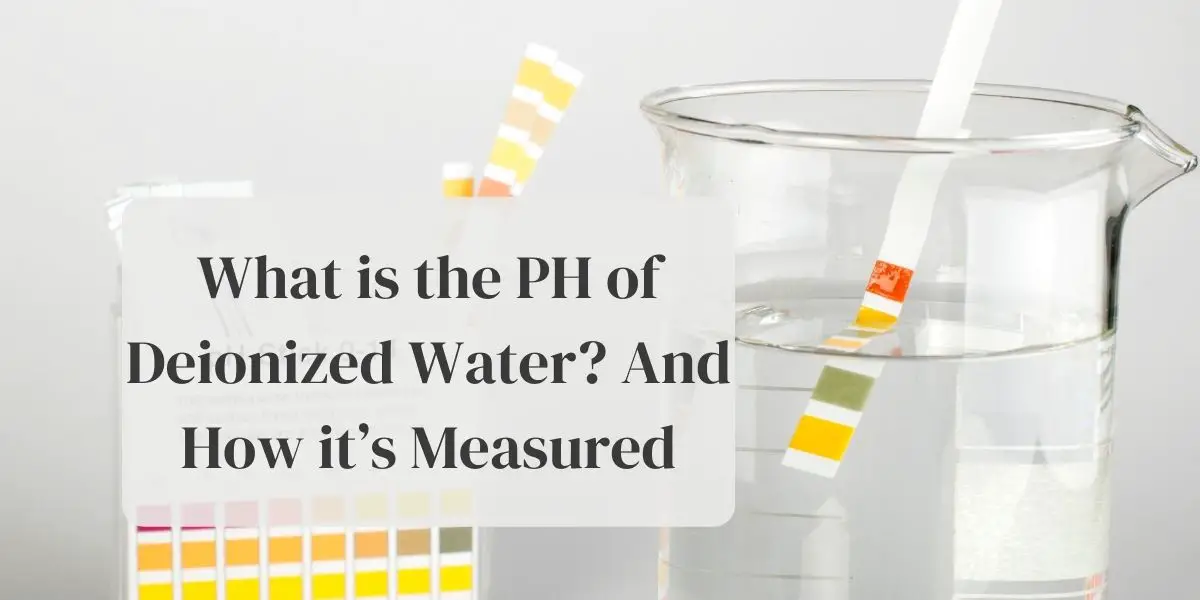
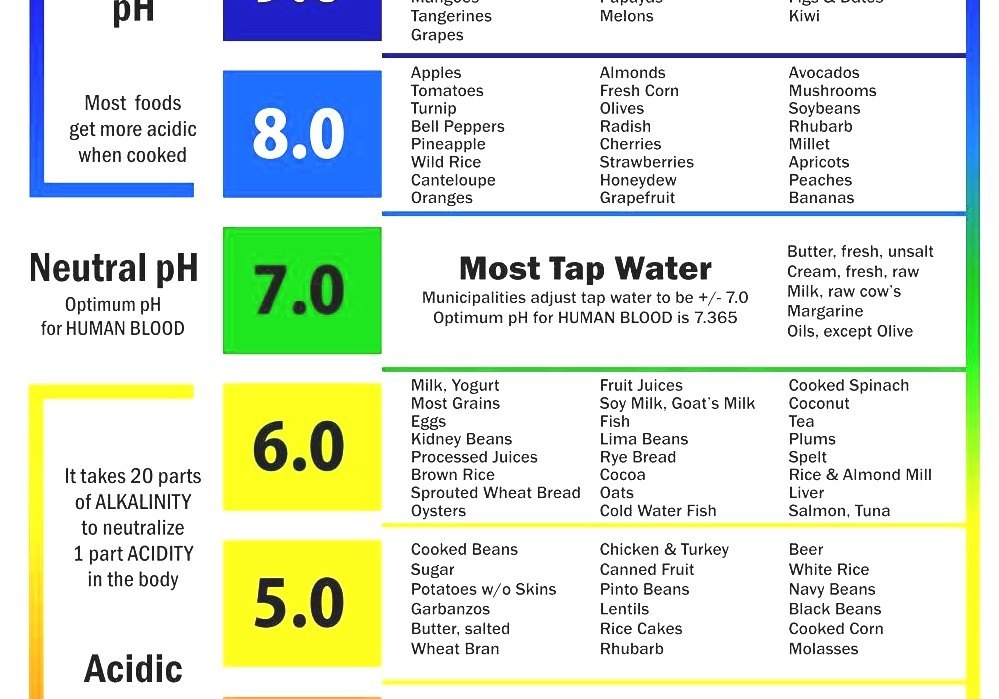
Technically, the pH of pure deionized water at room temperature is 7.0. That’s the textbook definition of neutral, right in the middle of the pH scale. But here’s the kicker: it almost never is.
Think of it like a perfectly balanced seesaw in a playground. On paper, it’s perfectly level. But the moment a single kid (or a molecule) jumps on, everything changes.
Must Read
Why Is It So Slippery? The Chemistry Dance
The reason pure deionized water rarely reads as 7.0 is because it’s incredibly reactive. As soon as it’s exposed to air, it starts sucking up carbon dioxide like a thirsty sponge. This creates carbonic acid, which drops the pH down to around 5.5 or 5.8.
It’s not that the water is “bad” or dirty. It’s just that it’s so pure, so hungry for ions, that it grabs whatever is floating nearby. It’s like that friend who shows up to a party and instantly starts absorbing everyone’s energy.
This is why you’ll often hear scientists say that truly neutral water is a theoretical ideal. Getting a stable, perfect 7.0 reading requires a hermetically sealed, air-free environment.
The Coolest Part: Water as a Master Chameleon
This is where things get really fascinating. Deionized water doesn’t just absorb pH changes; it fights them with zero resistance. Normal tap water has lots of minerals (like calcium and magnesium) that act as buffers—they prevent the pH from swinging wildly.
 What is the ph of deionized water? And how it’s measured - SMD.com
But deionized water? It has none of those buffers. So if you add even a tiny drop of acid or base, the pH will rocket up or down instantly. It’s like a super-sensitive mood ring that has zero chill.
Imagine a heavy boulder (tap water) that you can push, but it barely moves. Now imagine a ping-pong ball (deionized water). One breath of air and it flies across the room. That’s the difference.
Should You Drink It? (A Gentle Warning)
You might be thinking, “Wow, this sounds pure! I bet it’s the healthiest water ever.” Not so fast. While it’s safe to drink in small amounts, it’s not great for sipping all day. Because it’s so “hungry,” it can leach minerals out of your body and your teeth.
Plus, without those minerals, it tastes kind of flat and lifeless. It’s like eating a piece of bread that has zero flavor. Your tongue just gets confused. Stick to spring water for hydration; save the deionized stuff for science experiments.
 Purified Water - Di Water Ph
So, What’s the Real-World pH?
If you buy a bottle of deionized water from the store, don’t be surprised if your pH meter reads 6.0 or even a bit lower. That’s the carbon dioxide at work, turning your “neutral” water into a mild, weak acid.
If you test it immediately after it comes out of a lab-grade deionizer, you might get a very fleeting 6.8 or 6.9. But by the time you blink, it’s already changing. It’s a living, breathing (sort of) chemical cocktail of instability.
This is why labs often use pH meters designed for ultra-pure water. Regular meters give wonky readings because the water has no ions to conduct electricity properly. It’s like trying to call someone with a dead phone battery—the signal just isn’t there.
The Big Takeaway
The pH of deionized water is a trick question. The answer is 7.0, but the real lesson is that purity is chaotic. It’s a reminder that even the simplest substance on Earth—water—has a wild, unpredictable personality when you strip away all its fancy extras.
Next time you see a bottle of deionized water, give it a respectful nod. It’s not just water. It’s a blank canvas, a chemical ghost, and a moody masterpiece all rolled into one. And its pH? Well, it’s whatever it wants to be that second.
