What Is A Tds Tester Used For

So, you’ve seen one of those little gadget-thingies online, right? A TDS tester looks like a weird thermometer from a sci-fi movie, and you’re wondering, "What on earth is thi...

So, you’ve seen one of those little gadget-thingies online, right? A TDS tester looks like a weird thermometer from a sci-fi movie, and you’re wondering, "What on earth is this used for?" Well, grab a glass of water, settle in, and let’s peel back the mystery—you’re about to become a secret water detective.
The Big Reveal: What Does TDS Even Mean?
TDS stands for Total Dissolved Solids. In plain English? It’s the stuff hiding in your water that you can’t see—minerals, salts, metals, and even tiny bits of organic matter. Your TDS tester measures how much of that invisible party is floating around in your drink.
Think of it like a crowd counter for molecules. Pure, distilled water has almost zero TDS, while your tap water might have a lively gathering of calcium, magnesium, and who knows what else. It’s not a health alarm, but a curiosity meter.
Must Read
Why Should You Care? (Spoiler: It’s Actually Fun!)
Have you ever bought a fancy water filter and wondered “Is this thing even working?” Here’s where your TDS tester becomes your hero. You test a glass of tap water, then test the same water after it goes through your filter—and boom, you see the numbers drop like a magic trick.
It’s incredibly satisfying, almost like checking your battery level. “Aha, my Brita is doing its job!” Or maybe, “Oops, my expensive pitcher is basically just a jug.” Now you know—and knowing is half the fun of being the boss of your own kitchen.
A TDS Tester Isn’t Just for Drinking Water
Wait, there’s more! You can dip this little device into your coffee maker to see if the lime scale is ruining your morning brew. If the TDS is sky-high, your espresso might taste bitter—and that’s just sad.
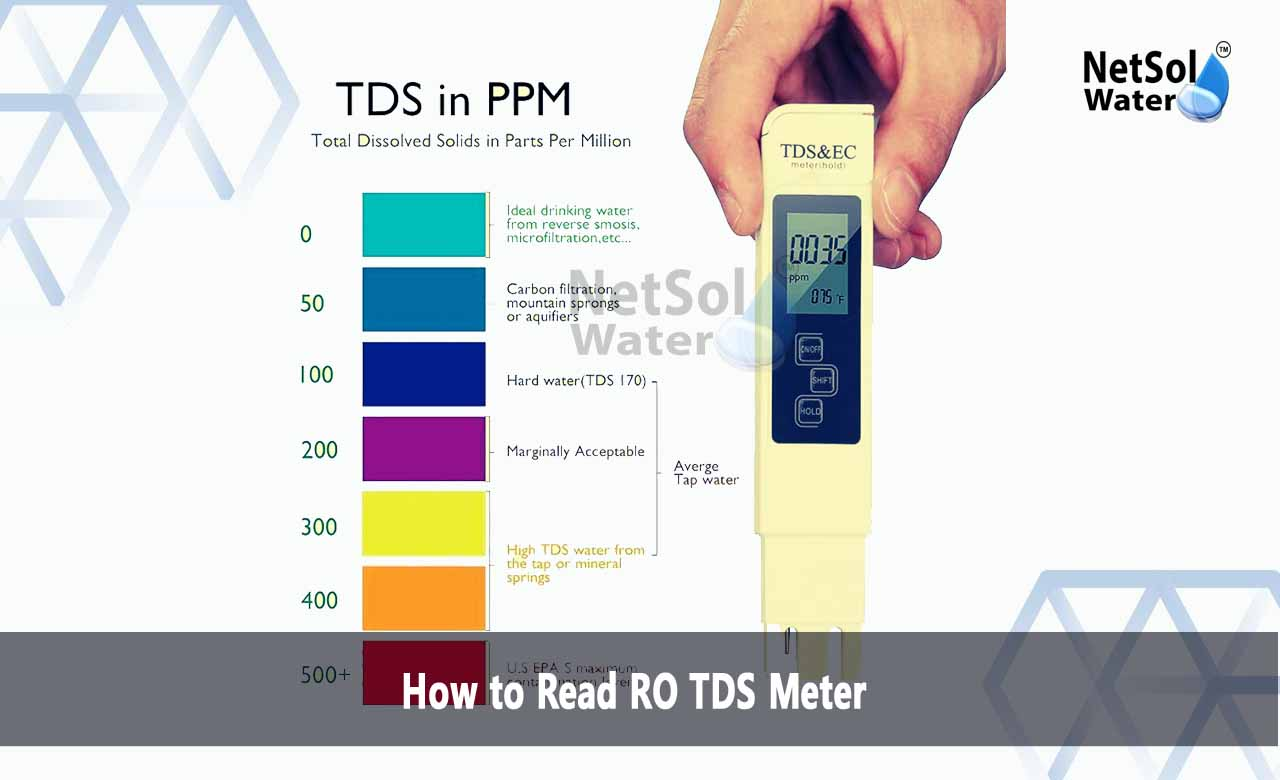 TDS METER - Agrawal Total Solution
Dreaming of a lush garden? Test your rain barrel water versus tap water for your plants. Some flowers hate high TDS (like orchids—they’re divas), while others thrive. Your garden will thank you with bigger blooms.
Heck, you can even test your fish tank. Goldfish and bettas have opinions about water hardness, and a TDS tester stops you from accidentally turning their home into a chemistry experiment gone wrong.
The Numbers Game: What’s “Good” or “Bad”?
Let’s not get panicky—TDS isn’t the whole health story. A reading of 50–150 ppm (parts per million) usually means decent, clean spring water. Anything under 300 is fine for most folks, and over 900 starts tasting a bit salty or metallic.
Here’s the lighthearted secret: You’re not hunting for “perfect”. You’re just getting a clue. High TDS might mean your ice cubes look cloudy—or that your area has fantastic mineral-rich water. It’s like finding out your tap water has a personality.
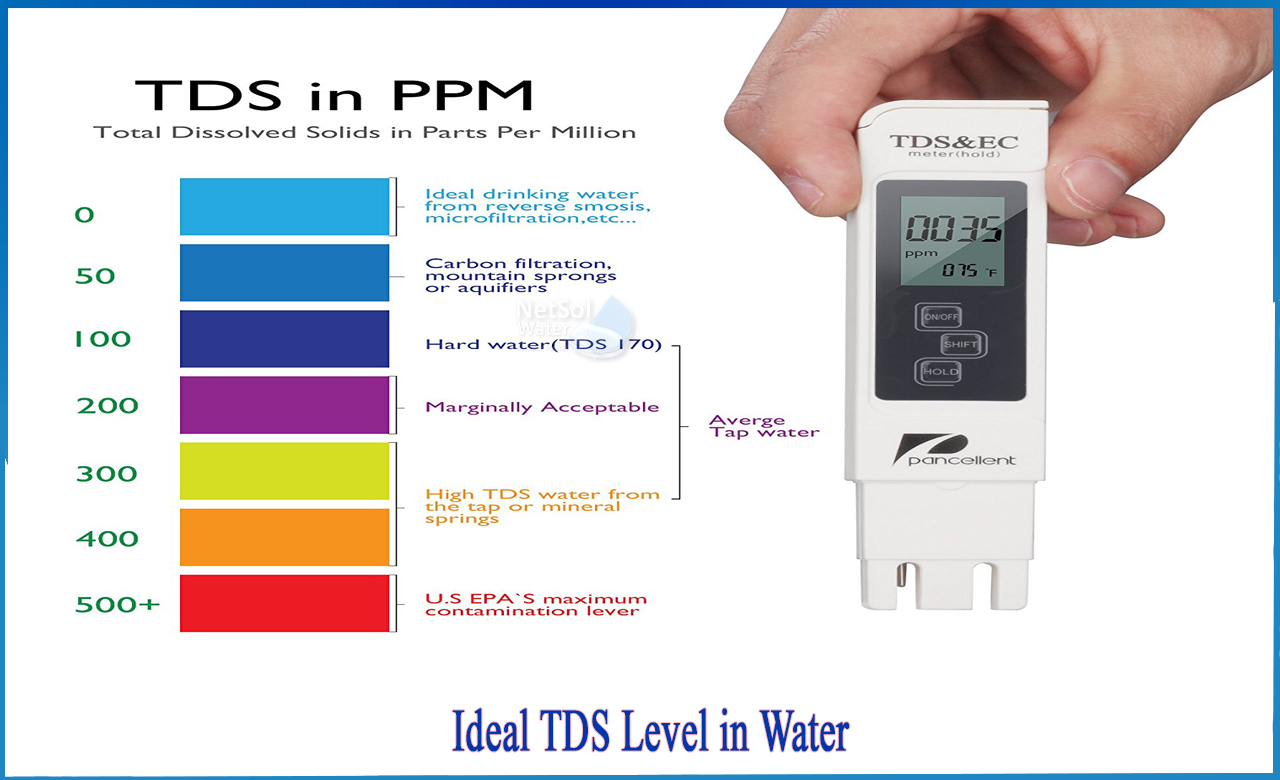 What Does A Tds Meter Measure In Water at Gabriel Antwan blog
The “Aha!” Moment That Makes Life Fun
Once you start testing, you’ll see hidden patterns everywhere. Why does water from your fridge dispenser taste different than from the sink? Test it! Why does that hotel water make weird tea? Test it! Suddenly, you’re a tiny, cheerful scientist in your own life, and everything becomes a mini-adventure.
I tested my neighbor’s well water once—it read 1,200 ppm. We all made jokes about “rock soup,” but then I helped him pick a softener, and now he brags about his water. That’s power, my friend.
An Uplifting Final Thought (You’re Ready!)
You don’t need a lab coat or a degree to be curious about what’s in your glass. A little TDS tester costs less than a pizza, but it gives you a window into a world you didn’t know existed. It turns a boring drink into a conversation.
So go ahead—dip that probe into a puddle, a waterfall, or your morning coffee. Discover something new, laugh at a weird number, and feel a little more connected to the everyday magic around you. Because life is more fun when you test a little, learn a little, and share your findings with a grin.
