How To Test My Water For Lead

Alright, gather 'round, hydration enthusiasts and accidental chemists. You've heard the buzz—lead in water is bad. Like, really bad. It's the uninvited guest at your hydration...

Alright, gather 'round, hydration enthusiasts and accidental chemists. You've heard the buzz—lead in water is bad. Like, really bad. It's the uninvited guest at your hydration party, and it doesn't bring snacks. But before you start drinking only artisanal tears, let’s talk about how to test your water without needing a Ph.D. or a hazmat suit.
Step One: Stop Panicking and Check Your Pipes
First, ask yourself: Is your house older than your grandfather's vinyl collection? If you live in a home built before 1986, there’s a decent chance your pipes are flirting with lead. But relax—99% of lead issues come from old plumbing, not the water supply itself. It’s like blaming the bartender for your hangover when you insisted on cheap tequila.
Here’s a mind-blower: Lead is actually sweet. Seriously, ancient Romans used lead cookware because it made food taste sugary. That’s why kids often like the taste of lead-painted flakes. Yeah, evolution really dropped the ball on that one. So if your water tastes oddly like a melted lollipop, do not celebrate—test it.
Must Read
Step Two: The DIY Test Strips (Also Known as "The Science Project for Procrastinators")
Go buy a lead test kit from your local hardware store or online. They cost about $10 to $20—cheaper than a therapy session for your anxiety. These are simple test strips, like a pregnancy test for your faucet, but less emotionally fraught. Dip the strip in your water for the specified time, and wait for a color change.
Pro tip: Test cold water first. Hot water dissolves lead faster, so if you test the hot stuff, you’ll just see a terrifying rainbow. Also, let the water run for 60 seconds before testing. Stagnant water is like a lead spa—it sits and soaks up more metal. You don’t want spa water. You want breakdance water, fresh and moving.
Now, a hilarious plot twist: most test strips only detect dissolved lead. They might miss tiny solid particles that break off old pipes. This is like checking if your sandwich is moldy but forgetting to look at the edges. So if your test says "safe," but you have a bad feeling, don't just shrug—move to step three.
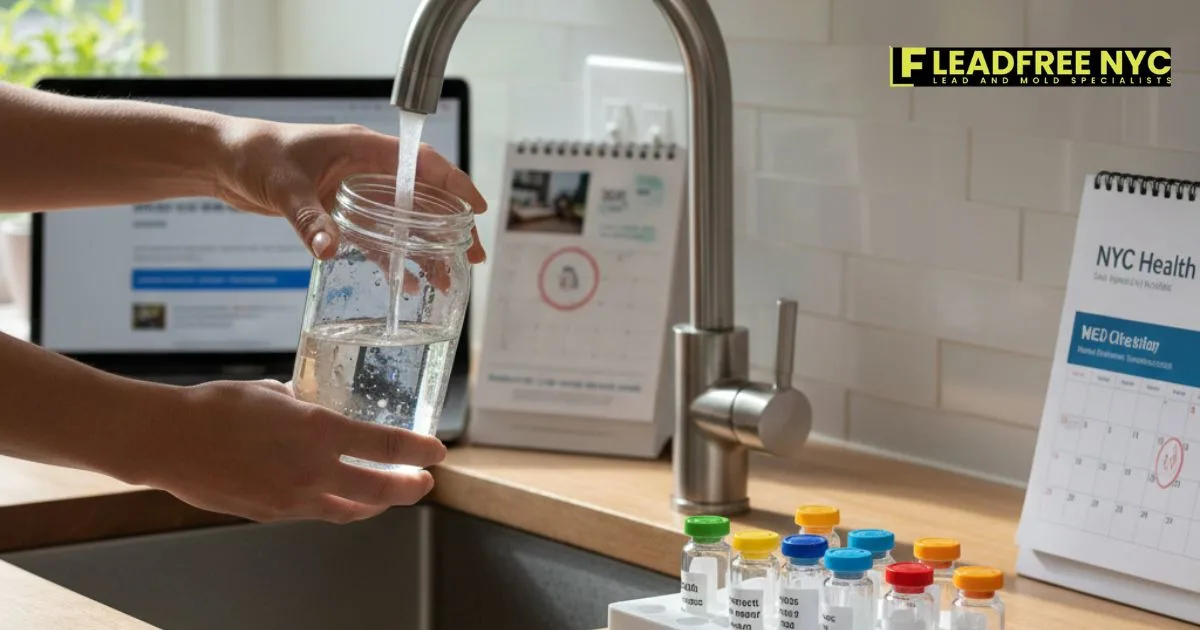 Is My Drinking Water Safe from Lead? How to Test and Protect Your Home
Step Three: The Lab Test (Or, "Call the Geeks in the White Coats")
For ultimate peace of mind, send a sample to a certified laboratory. It’s the nuclear option, but in a good way. You can get a kit from your local health department or a reputable company for about $30–$50. It works like this: you collect water in a sterile bottle (they give you one), fill out a goofy form with your name and address, and mail it off.
Wait—this part will shock you: Lead levels are measured in parts per billion (ppb). That's like one drop of tear in an Olympic-sized swimming pool. The EPA says no level of lead is safe, but the "action level" is 15 ppb. If your test comes back at 15 ppb, that’s not a threshold—it’s a fire alarm. Do not treat it like a suggestion.
Also, labs take about two weeks to respond. During that time, you will convince yourself you’re slowly turning into a Victorian-era factory worker. You’re not. But drink bottled water while you wait, just for the placebo effect.
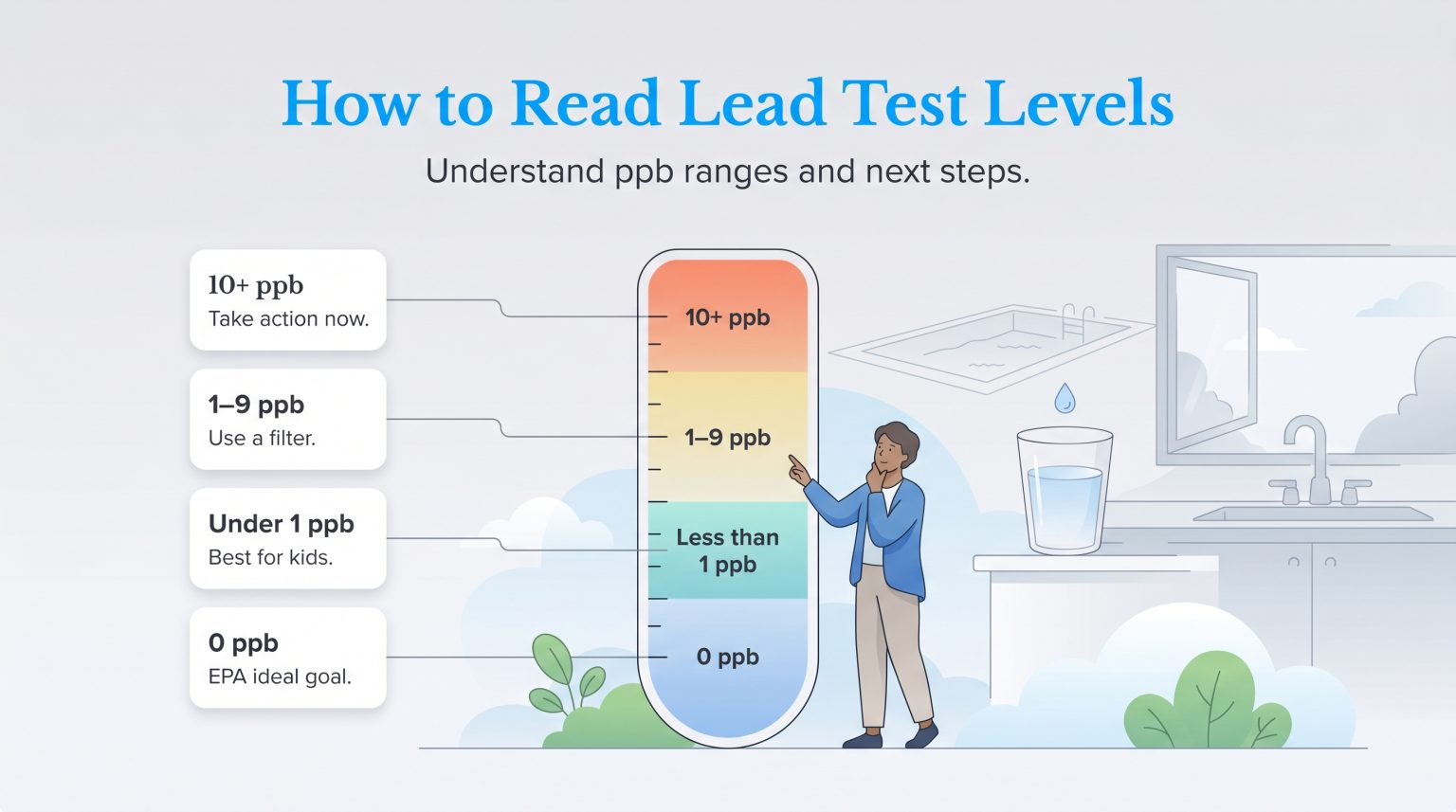 How to Test Your Water for Lead: DIY Kits, Free Options, and Lab
Step Four: What to Do If You Find Lead (Besides Scream Into a Pillow)
If your test screams "LEAD!" like a soap opera villain, don’t panic. You have options. Flush your pipes for 2-3 minutes every morning to clear out the lead that collected overnight. Use a certified lead-removal filter on your tap—not a Brita, unless it specifically says "NSF/ANSI 53" or "Standard 58." Brita is for tea, not toxic metal.
Did you know that lead in water is invisible, tasteless, and odorless? It’s the ninja of contaminants. That’s why the only way to outsmart a ninja is with a high-tech test kit. Also, boiling water does nothing to remove lead—it actually concentrates it. So don’t boil your troubles away; just filter them.
Step Five: The Fun Surprising Fact to Flex at Parties
Here’s a fact that will make you the star of any boring dinner: The Flint water crisis wasn’t about lead pipes—it was about corrosive water. The water ate the pipes from the inside. So even if you have plastic pipes, your area might still have lead service lines buried in your yard. Yes, the government often doesn't know where they are. It’s like a municipal treasure hunt, but the treasure is poison.
In the end, testing your water for lead is simple, cheap, and way less dramatic than you think. You’re not a detective. You’re a responsible adult who just wants to drink without accidentally turning into a trivia question about heavy metals. So grab a test strip, send off a sample, and go back to your very normal, non-lead-based life. Cheers—but maybe use a filter first. You’ve got this.
