How To Soften Water In Shower

Let’s be honest: there’s nothing luxurious about stepping out of a shower that feels like you rinsed off with a jug of chalk. Hard water—that mineral-rich flow of calcium and...
Let’s be honest: there’s nothing luxurious about stepping out of a shower that feels like you rinsed off with a jug of chalk. Hard water—that mineral-rich flow of calcium and magnesium—leaves your skin tight, your hair limp, and your shower glass looking like a crime scene. You don’t need to move to a soft-water city like Boston or Miami to fix it; you just need a few smart tweaks in your daily routine.
Here’s the wild truth: nearly 85% of American homes have hard water, according to the U.S. Geological Survey. That means your shower is essentially a mineral spa you never signed up for. The good news? You don’t need a plumber or a bank loan to soften things up.
First Stop: The Shower Head
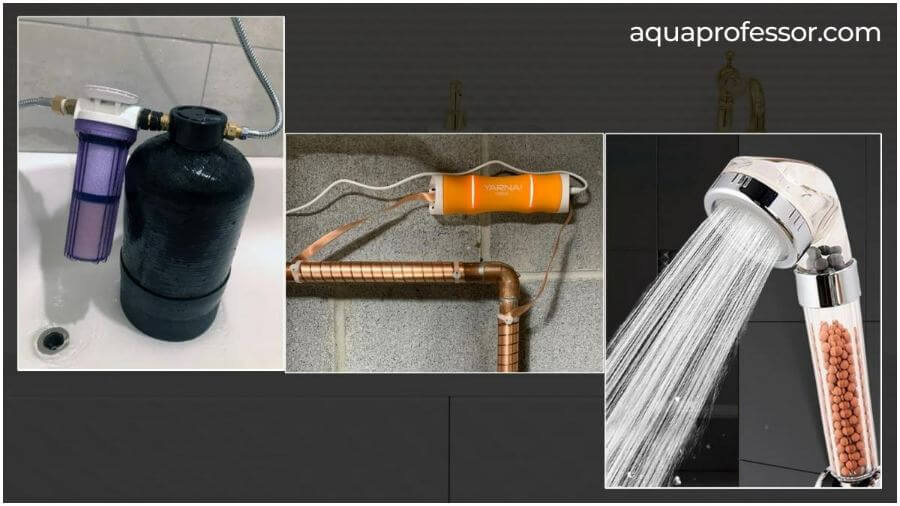
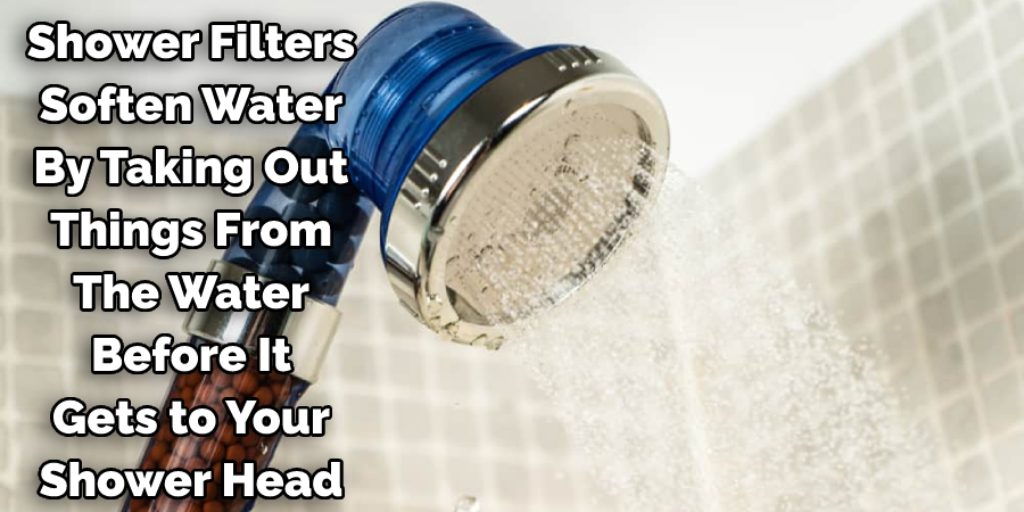
The easiest upgrade is swapping your standard shower head for a filtered version. These little gadgets use activated carbon or KDF media to trap calcium and chlorine before they hit your skin. Think of it as a Brita for your morning rinse.
Must Read
Models like the AquaBliss or Sprite cost under $50 and install in five minutes—no tools required. You’ll notice your soap lathering up like a dream within two or three washes. It’s a small investment for skin that doesn’t feel like sandpaper afterward.
Pop Culture Side Note
Remember that scene in Legally Blonde where Elle Woods says, “Exercise gives you endorphins”? Well, soft water gives you suds. Hard water fights your shampoo’s surfactants, making you use twice as much product. Once you soften it, your favorite $30 conditioner goes twice as far—Elle would approve.
The Chelating Hack: Vitamin C
Here’s a mind-bender: you can soften your shower water with vitamin C. Ascorbic acid neutralizes chlorine and binds to calcium, making it less likely to cling to your skin. Drop a vitamin C shower head filter into your setup, and you’ll get a subtle citrus scent in the steam.
It’s not just for hippies. Japan has used vitamin C filters in public baths for years to protect hair color and skin health. Plus, it’s a fun fact to drop at your next dinner party: “I shower with orange juice supplements.”
The Hard-Water Body Wash Switch
Sometimes the fix is in your bottle. Switch to a chelating body wash that contains EDTA or citric acid. These bind to mineral deposits and rinse them away instead of letting them settle on your skin. Brands like OUI the People or Necessaire make formulas that feel like a gentle apology for your tap water.
 How To Soften Your Shower Water at Sebastian Belbin blog
Pro tip: avoid bar soaps in hard water areas. They react with minerals to form that sticky soap scum on your skin. A liquid cleanser with a pH below 7 makes all the difference.
Fun Cultural Fact
In London, where hard water is legendary, people joke that their tea tastes better because of the minerals. But their hair? Not so much. Many Londoners use a final rinse of diluted apple cider vinegar to restore shine. You can try this at home: one part vinegar to four parts water, poured over your hair before you step out. The smell disappears in 30 seconds.
The Apple Cider Vinegar Rinse
Speaking of vinegar, it’s your zero-cost, zero-plastic softener. After shampooing, pour a cup of diluted ACV over your hair and let it sit for a minute. It breaks down the mineral film that makes your strands feel like straw. Rinse with cool water—it seals the cuticle and adds a mirror-like shine.
Your scalp will thank you too. Hard water can cause itchiness and flaking; the vinegar’s acidity restores your pH balance. Just don’t use it every day—once a week is plenty. You want to fight the scale, not strip your natural oils.
The Technologist’s Route: Water Softener Systems
If you own your home and are ready to commit, install a whole-house water softener. These systems use ion-exchange resins to replace calcium and magnesium with sodium or potassium. Your entire house—from shower to dishwasher—gets the golden treatment.
 How To Soften Your Shower Water at Sebastian Belbin blog
Yes, it’s an investment (usually $500-$2,000 installed). But it pays off in three major ways: smoother skin, less detergent waste, and no more scrubbing shower walls every weekend. Plus, you’ll never have to hear that grating sound of water spots on your glasses again.
Pop Culture Bonus
In Breaking Bad, Walt and Skyler buy a car wash to launder money. But real-life car wash owners swear by soft water for spot-free drying. If a Walter White scheme can prioritize soft water, so can you.
The Little Things: Towel Care
Even if you soften the shower, your towels can harden your experience. Line-dried towels in hard-water areas become stiff and rough. Add half a cup of white vinegar to your washing machine’s rinse cycle once a month to dissolve mineral buildup. Your towels will come out fluffy and smelling like a neutral, clean breeze.
And please, never use fabric softener. It coats the fibers and reduces absorbency. You want a towel that actually dries you, not a waxy sheet that pushes water around.
Final Reflection
Softening your shower water isn’t about perfection; it’s about kindness to yourself. Hard water fights you—it makes every rinse feel like a chore. Soft water collaborates, turning your morning routine into a small, consistent act of care. You step out feeling clean, not chemically stripped.
Maybe that’s the real luxury of modern life: not a marble countertop or a rain shower head, but a simple, forgiving flow that leaves you and your hair exactly as you are—just a little softer.
