How To Test Hardness Of Water

Alright, let’s talk about something you probably don’t think about enough: the water coming out of your tap. Is it hard? Is it soft? And no, I don’t mean if it’s had a tough d...
Alright, let’s talk about something you probably don’t think about enough: the water coming out of your tap. Is it hard? Is it soft? And no, I don’t mean if it’s had a tough day at the office. I’m talking about mineral content, baby—specifically calcium and magnesium.
Hard water is that annoying stuff that leaves white spots on your glasses, makes your soap refuse to lather, and turns your hair into a straw-like mess. Soft water is like the friendly neighbor: gentle, bubbly, and leaves everything feeling silky. So, how do you tell which one you’ve got? Let’s get testing.
The Shake Test (or: The Soap Opera Method)
Grab a clean, clear bottle with a lid—like an old water bottle or a jam jar. Fill it about halfway with tap water.
Must Read
Add a few drops of pure liquid soap (not detergent—real soap, like castile soap). Put the cap on tight and shake it like you’re at a rock concert.
If you get a big, fluffy pile of bubbles that sticks around? Congratulations, you have soft water. If the water turns cloudy and you get barely any foam, with a scummy ring on top? That’s hard water waving hello.
Why does this work?
Soap molecules love to grab onto minerals. In hard water, they’re too busy clinging to calcium to form bubbles. It’s like trying to start a party when everyone’s stuck in traffic.
The Spot Test (or: The Glassware Horror Show)
Take a clean, dry glass. Fill it with tap water and let it sit out overnight. In the morning, don’t drink it—look at it.
If you see a white, powdery film on the glass, that’s hard water leaving its nasty calling card. If the glass looks clear and spotless, you’ve got soft water. Easy peasy, lemon squeezy.
Pro tip: If your glass looks like a snow globe threw up on it, you might want to consider a water softener. Your future coffee cups will thank you.
The TDS Meter (or: The Science-y Gadget)
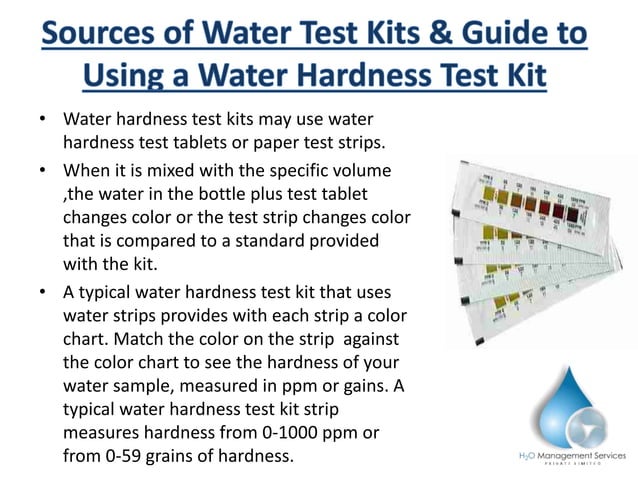
Okay, this one requires a tiny bit of tech. A TDS (Total Dissolved Solids) meter is a cheap little gadget you can buy online for about the price of a fancy sandwich. You just dip it in a cup of water and read the number.
 Water hardness(1) testing | PPTX
Numbers below 50 ppm (parts per million)? Very soft. 50-100 ppm? Moderately soft. 100-200 ppm? Slightly hard, like a math test. Above 200 ppm? That’s Hard Water City, population: your pipes.
Anything over 400 ppm is basically liquid chalk. You could probably write on the sidewalk with it. But don’t. That’s weird.
Where is water hardest in the U.S.?
If you live in the Midwest or Southwest, you’re probably battling hard water like a Viking. Think Texas, Arizona, and Indiana. If you’re in New England or the Pacific Northwest, you’re sipping soft water like royalty. Lucky ducks.
What Do Your Appliances Say?
You don’t even need a test kit for this one. Just look at your kettle, coffee maker, or dishwasher. See a white, crusty buildup that looks like a fossil? That’s scale, and it’s hard water’s trophy.
If your showerhead has a mineral beard growing on it, you’re dealing with hard water. No, it’s not a fun new trend. It’s just annoying sediment.
And if your washing machine leaves your clothes feeling stiff and scratchy? Hard water is the culprit again. Your favorite hoodie deserves better.
The DIY Test Strips (Cheater’s Choice)
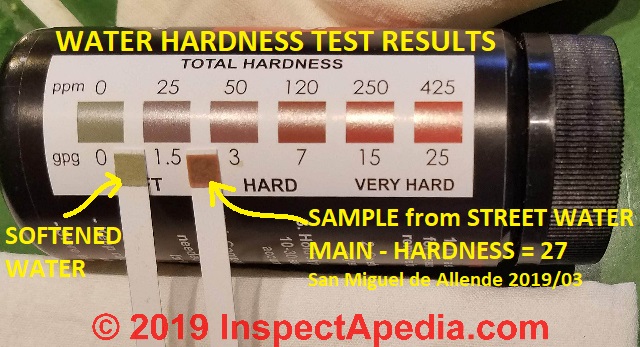
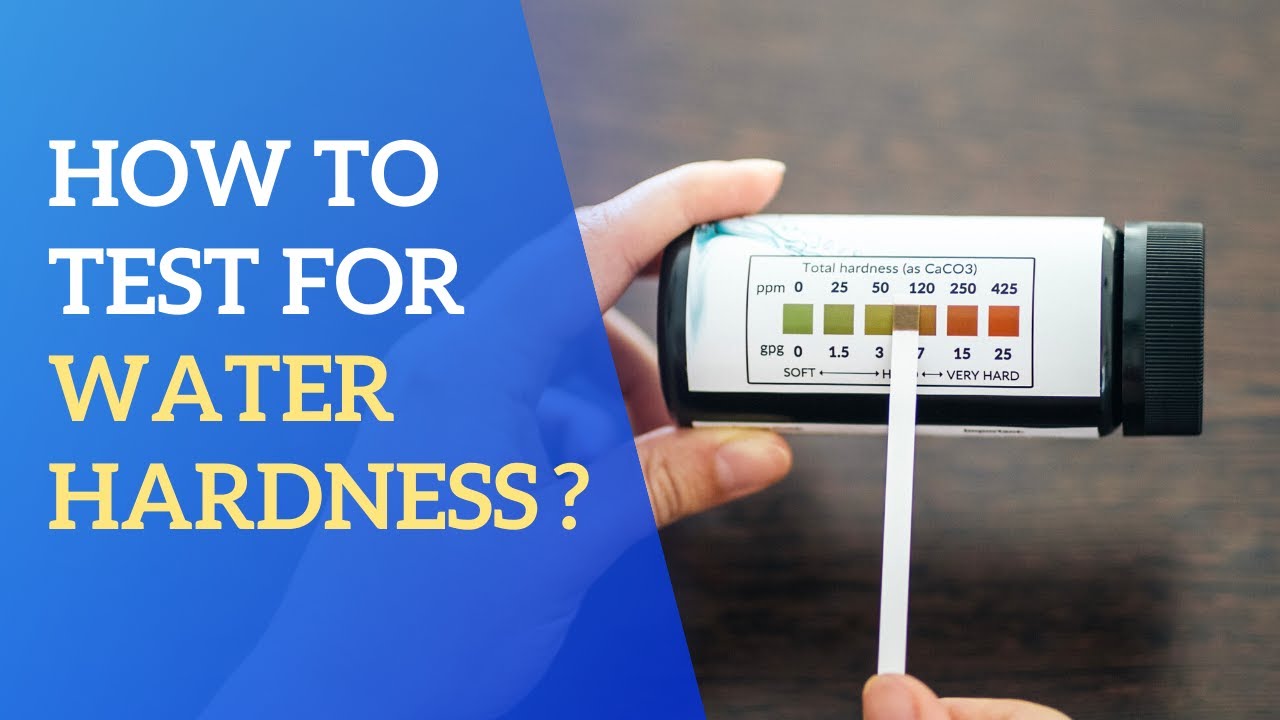
Want to be fancy? Buy a water hardness test strip kit at any hardware store. Dip one in water, wait for it to change color, and match it to the little chart. It’s like a mood ring for your H2O.
 Water Hardness Test Strips - How To Test For Water Hardness? - YouTube
Red usually means hard. Blue means soft. It’s that simple. No math required, unless you count matching colors to numbers. And if you can’t match colors, maybe test your vision first, not your water.
Why Should You Even Care?
Because hard water is a sneaky drain on your wallet—literally. It clogs pipes, ruins appliances, and makes your soaps work overtime. It also dries out your skin and makes your hair look like you just survived a tumbleweed attack.
Soft water is gentler on your skin, your hair, and your laundry. And it makes your soap last longer. Basically, soft water is like having a personal assistant for your plumbing.
So testing now saves you headaches later. And nobody likes a headache. Unless you’re into that sort of thing, in which case, you do you.
The Uplifting Conclusion (You Made It)
Look at you! You now know more about water hardness than 99% of the population. You can shake, spot, test strip, and meter your way to liquid enlightenment. You’re practically a water whisperer.
And here’s the secret: hard water isn’t bad for your health. It’s actually full of healthy minerals. It just doesn’t play nice with soap. So whether your water is hard as a rock or soft as a puppy’s ear, you’re still blessed with hydration. Cheers to that.
So go ahead—fill a glass, test away, and smile knowing you’ve conquered one tiny, bubbly mystery of life. And if your water turns out to be super hard? Don’t worry. You can always buy a lemon and make lemonade. Or, you know, buy a water softener. Either way, you’re winning.
