How To Test The Water Quality

So, you want to test your water quality? Awesome. It’s like being a secret agent for your own kitchen sink. Your tap water might be hiding a whole world of drama. Let’s dive i...
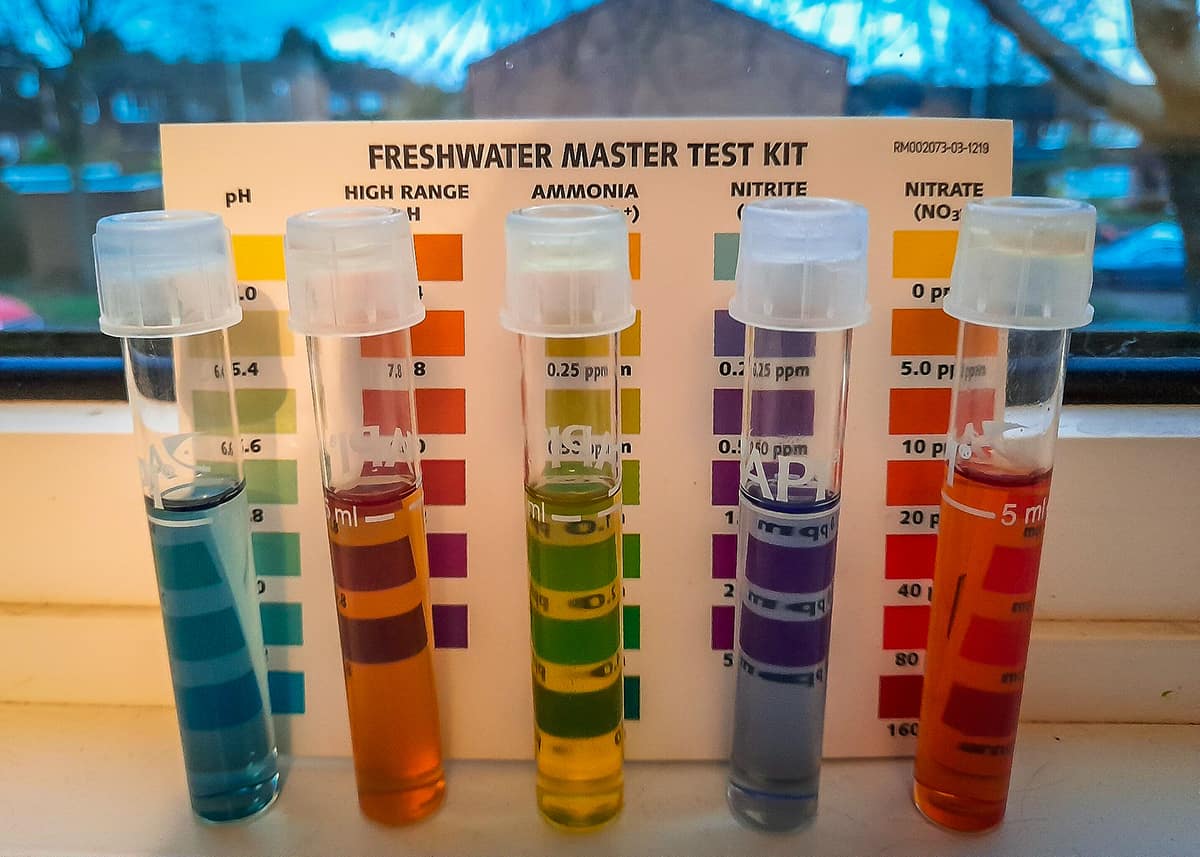
So, you want to test your water quality? Awesome. It’s like being a secret agent for your own kitchen sink. Your tap water might be hiding a whole world of drama. Let’s dive in. No goggles required.
Why Bother? (Besides Being a Cool Spy)
Water isn’t just wet. It’s a chemical cocktail. Some ingredients are good (hello, calcium). Others are not (cough, lead). Testing it tells you if your fishy-smelling tap is just sulfur or something grosser. Curiosity is the only reason you need.
Also, your plants are judging you. They know if you’re giving them chlorine water. They’ll droop with shame.
Must Read
The Fast & Furious: DIY Test Kits
First, grab a test strip kit from the hardware store. It looks like a pregnancy test, but for water. Dip it, wait, and watch the magic. The color chart will tell you about pH, hardness, and chlorine levels. It takes sixty seconds. That’s less time than you spend scrolling before bed.
Pro tip: Don’t shake the strip like a Polaroid picture. Just dip and hold. One person shook theirs so hard it snapped. They now have a wet table and a mystery.
The Gross Factor: Bacteria Hunters
For creepy crawlies (bacteria), you need a special kit. It involves a petri dish and some goo. You’ll be a mad scientist. Swab your tap, smear the goo, and wait 48 hours. If it grows glowing blobs, don’t panic. It’s probably just harmless. Probably.
Fun fact: One woman tested her water and found a colony that looked like a tiny blue jellyfish. It wasn’t dangerous. But it was dramatic.
The Fancy Pants Route: Lab Tests
Want to go full nerd? Mail a sample to a lab. They use lasers and vials. It costs about fifty bucks. They’ll send you a report with scary bar graphs about arsenic and nitrates. It feels very Breaking Bad—but legal.
 How To Test Water Quality Fish Tank at Ida Barrera blog
Your neighbors will be jealous. “Oh, you get reports on your water?” you’ll say. Boom. Instant cool points.
The Toilet Scouting Mission
Don’t ignore your toilet tank. Lift the lid (yes, it smells). Check for orange stains. That’s iron. Check for black slime. That’s manganese. Your toilet is a lying gossip. It’s telling you what your tap won’t say.
One man found a tiny frog in his tank. The frog was fine. The water? Probably fine too. But what a story.
Smell, Taste, and Touch (The Hardcore Method)
Your senses are free test kits. Sniff the water. If it smells like rotten eggs, it’s sulfur. If it smells like a swimming pool, that’s chlorine. Taste? A metallic tang could mean copper pipes. A salty bite? Might be road salt sneaking in.
Warning: Never taste hot tap water. Hot water dissolves lead faster than cold water. That’s not a cool party trick. That’s a trip to the doctor.
The Fizz Test (Yes, Really)
Pump some water into a clear glass. Add a drop of dish soap. Shake it. If it fizzes like soda, you might have hard water. Too many minerals in there showing off. It’s harmless, but it’ll crust your coffee maker.
 How to Test Water Quality - wikiHow
If it doesn’t fizz? That’s sad water. It’s a couch potato.
What To Do With Results? (Don’t Panic)
Found high lead? Get a filter. Found bacteria? Boil your water. Found nothing? Congrats, you win boring water. Boring is good. Boring means safe.
One guy found his water was so pure it was basically distilled. He felt ripped off. “I wanted a chemical soap opera!” he said. Be careful what you wish for.
The Weirdest Thing About Testing
Most people never test their water. They just drink it. That’s like getting a pet without checking its name tag. Water is a living thing (sort of). It carries history—from ancient aquifers to old pipes. Testing is just saying hello.
Also, it’s a fantastic party conversation. “Did you know my water has 0.3 ppm nitrate?” People will edge away slowly. You’ll be the smartest loner.
The Final Sip
So grab a kit. Sniff your sink. Befriend your toilet. Testing water is fun, cheap, and wildly satisfying. You’re not just hydrating—you’re investigating. And if you find a tiny frog? Name it. It’s now part of your water’s résumé. Cheers to the adventure!
