How To Find Hardness Of Water

So, you’ve heard your friends complaining about “hard water,” and you’re picturing water that bench-presses fifty pounds. Relax—it’s not about physical strength. Hard water is...

So, you’ve heard your friends complaining about “hard water,” and you’re picturing water that bench-presses fifty pounds. Relax—it’s not about physical strength. Hard water is just water that’s full of dissolved minerals, mostly calcium and magnesium, that it picked up while trickling through rocks. Think of it as water that had a very rocky childhood and now it’s causing drama in your pipes.
Why should you care? Because hard water is the bathroom villain that leaves soap scum on your shower door and makes your hair feel like straw. It also slowly turns your shiny kettle into a crusty, white fossil. But before you call an expensive plumber, you can easily test for it yourself using stuff you already own.
The Old School Dish Detergent Trick
Pour a little dish soap into a clear jar of tap water, put the lid on, and shake it like you’re at a rock concert. If the water turns cloudy and produces almost no suds, it’s hard. Soft water will erupt into a frothy, fluffy cloud of bubbles like a cappuccino gone wild.
Must Read
Do not be fooled by a tiny suds layer—if it vanishes in ten seconds, you’ve got Mount Mineral in your glass. This works because those calcium ions bind to the soap before it can bubble, stealing your suds like a thief in the night.
The “Arm & Hammer” Shake Test (No, Really)
If you want to get fancy, grab some old-fashioned washing soda (sodium carbonate) from the laundry aisle. Add a teaspoon to a glass of your water, stir, and watch. If the water turns milky or forms floating white curds, congratulations—you’ve got hard water.
It’s basically the same science: the washing soda grabs the calcium and magnesium and makes them visible as solid particles. It’s like the minerals are finally caught on camera after years of hiding in plain sight.
The “Boil It Until It Cries” Method
Boil a cup of water in a clean pan until half of it evaporates. If you see a white, chalky film left behind on the bottom, that’s your hard water’s calling card. It’s like the mineral equivalent of a cat walking across your clean counter—only less furry and more annoying.
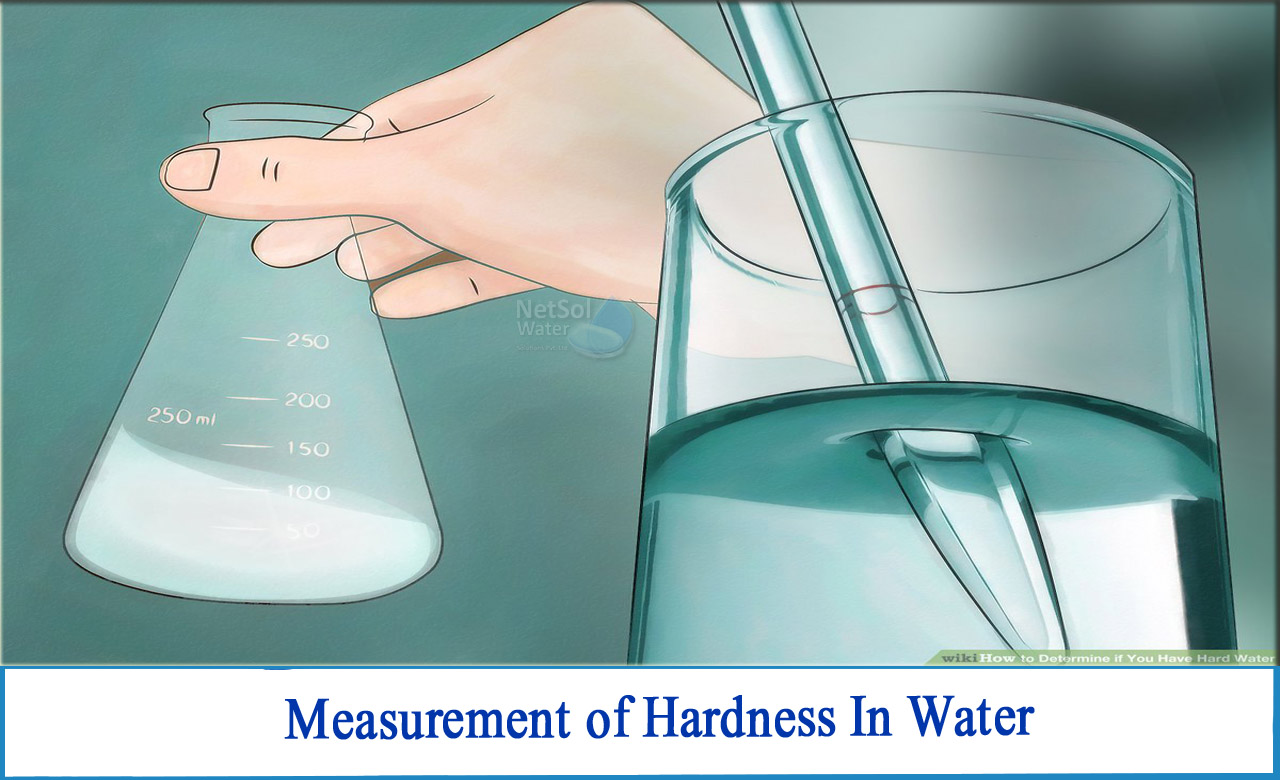 4 ways to measure water hardness _ how to check water hardness – PBFF
Fun fact: that white crust is actually calcium carbonate, the same stuff that makes up limestone caves and Tums antacid tablets. So in a weird way, your kettle is secretly growing cave formations for breakfast.
Bonus Test: The “Hand Feel” (Don’t Giggle)
Wash your hands with plain bar soap—no moisturizing fancy stuff. If you feel a sticky, slimy residue that won’t rinse off, that’s hard water reacting with the soap. It leaves a film on your skin that feels like you just touched a slug wearing a raincoat.
In soft water, your hands feel squeaky clean (literally—they squeak). That squeak is actually your skin rubbing against itself because all soap is gone. But the slime? That’s hard water’s way of saying “I’m here, and I’m not leaving without a fight.”
Surprising Fact: Hard Water Might Save Your Heart
Yes, it’s a pain for your plumbing, but here’s the twist: drinking hard water actually adds calcium and magnesium to your diet. Some studies even hint that it lowers the risk of heart disease and high blood pressure. So while your faucet is clogged, your arteries might be dancing with joy.
But don’t chug from the kettle crust! The mineral content is good, but the actual gunk in your pipes is like eating a rock salad—probably not delicious. Balance is key, my friend.
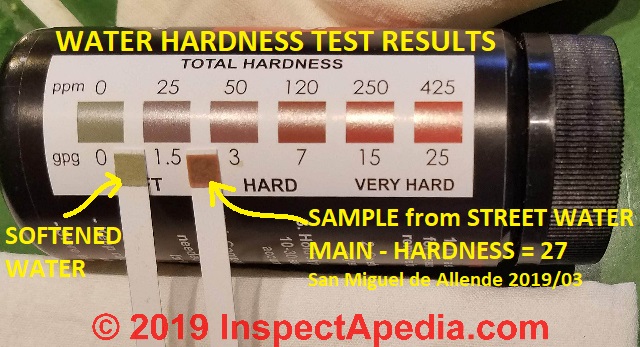 How To Measure Hardness – Material Hardness: A Comprehensive Guide to
The “Test Strip” if You’re Lazy
If you’re too cool for kitchen chemistry, buy a water hardness test strip at any hardware store. Dip it in, wait a color, and compare to the chart. It’s dead simple and takes ten seconds—the equivalent of taking a selfie of your water’s DNA.
But honestly, the soap shake test is just as accurate, costs nothing, and makes you feel like a mad scientist. Plus, you get to shake a jar violently, which is surprisingly satisfying after a long day.
When in Doubt, Call a Water Softener Salesman
If your tests all point to “rock hard” (so hard it could arm-wrestle a diamond), you might want a water softener. These are tanks that swap the calcium for sodium, making your water feel silky and your soap suds explode. But remember: it also adds salt to your water, which is not great for people on low-sodium diets.
Alternatively, you can just learn to live with it. Buy a kettle descaling brush, avoid soap scum battles, and remind yourself that your tap water is secretly a mineral supplement. You’ve got rocks in your water, and honestly, that’s kind of metal.
So go forth, shake that soap, boil that pan, and embrace the science—or at least laugh at the slime on your hands. Your water hardness discovery might just make you the most interesting guest at the next dinner party. You’re welcome.
