How To Remove Calcium Buildup

You know that chalky, white, crusty stuff that looks like someone spilled a science experiment on your faucet? Yeah, that’s calcium buildup—also known as limescale, and it’s t...
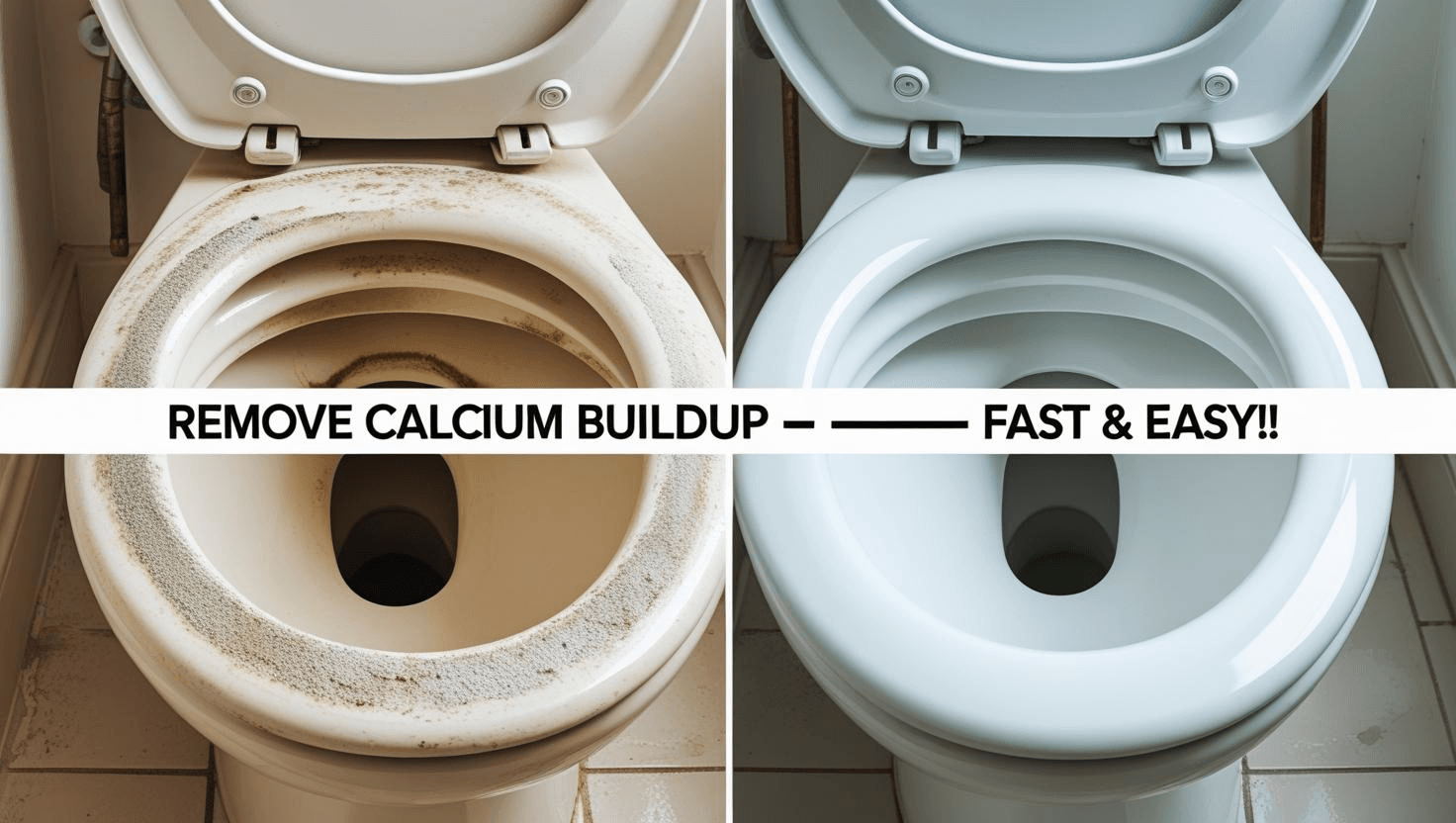
You know that chalky, white, crusty stuff that looks like someone spilled a science experiment on your faucet? Yeah, that’s calcium buildup—also known as limescale, and it’s the uninvited guest that never leaves. It’s basically nature’s way of saying, “Your water is hard, and I’m going to prove it by ruining your shiny fixtures.” Don’t worry, though—you don’t need a chemistry degree or a magic wand to kick it out.
Why Is This Stuff So Stubborn?
Calcium buildup happens when hard water—water full of minerals like calcium and magnesium—evaporates and leaves those minerals behind. Think of it as a mineral party that went on for way too long, and now nobody will clean up the mess. The good news? You can crash that party with a few simple, kitchen-friendly weapons.
Vinegar is your new best friend. It’s acidic, cheap, and smells like a pickle factory, but it works magic on calcium. The acetic acid in vinegar dissolves the minerals like a superhero melting an ice villain’s fortress.
Must Read
How to Start: The Faucet Fix
Grab a white vinegar (distilled is best, but any will do) and soak a cloth or paper towel in it. Wrap that soggy cloth around the calcium-crusted faucet or showerhead, like you’re giving it a cozy, acidic scarf. Let it sit for 15–30 minutes—go binge a short YouTube video or yell at your plants.
After the soak, wipe it off with a soft cloth. Poof! The buildup should slide off like it never happened. If it’s being extra stubborn, use an old toothbrush to gently scrub the remaining spots. Just don’t use steel wool—you’ll scratch the finish, and then you’ll be sad.
What About Coffee Makers and Kettles?
Oh, they’re the worst offenders. That white film inside your kettle is calcium throwing a pool party. Fill the appliance halfway with equal parts water and vinegar (or lemon juice for a fresher scent). Boil the mixture, then let it sit for 20 minutes. Pour it out—stand back, because the smell is intense—and then boil two cycles of plain water to rinse.
Pro tip: If your kettle is electric, check the manual first. Some manufacturers say “no vinegar,” in which case you can use citric acid powder (found in canning sections). It’s like vinegar’s cool, less-smelly cousin.
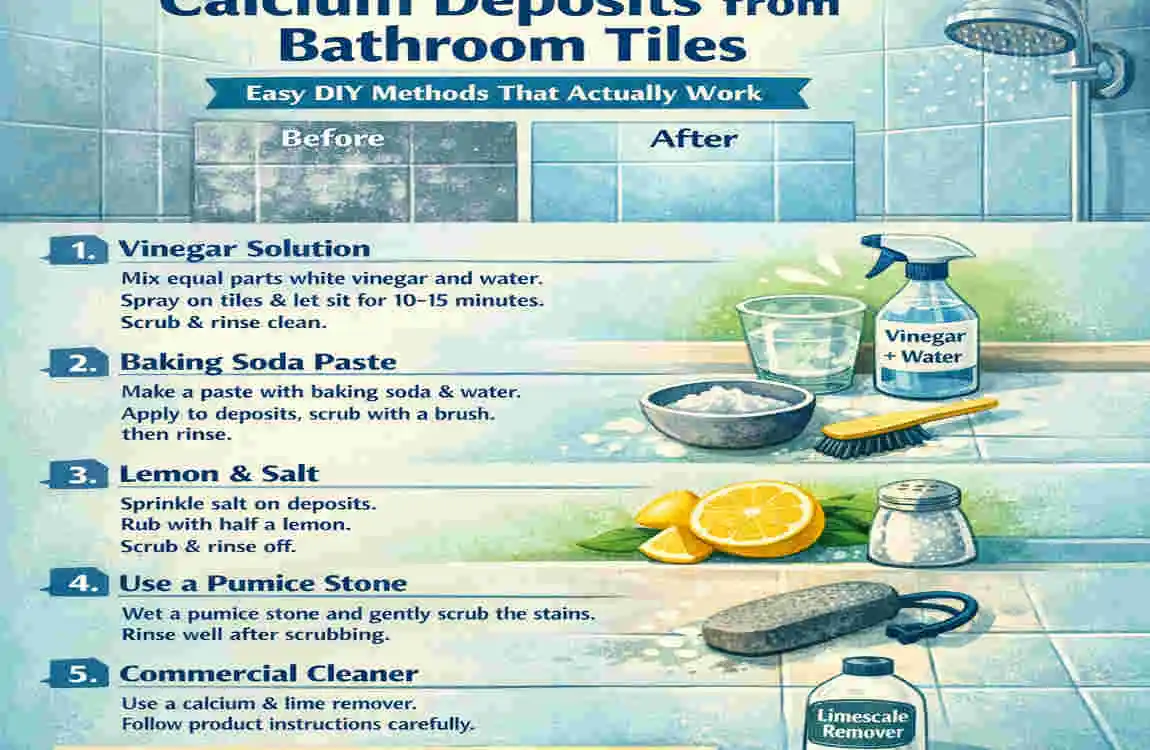 How to Remove Calcium Deposits from Bathroom Tiles: Easy DIY Methods
Surprising Hero: Lemon Juice
Lemons aren’t just for lemonade and sad faces. Their citric acid is a calcium destroyer. Cut a lemon in half, rub it directly on shower doors or tiles, let it sit a few minutes, then rinse. Your bathroom will smell like a citrus spa, and the calcium will be gone. Bonus: you’ll feel like a fancy cleaning influencer.
Thick, Crusty Buildup? Bring Out the Big Guns
If the calcium looks like a stalactite from a cave, you’ll need a paste. Mix baking soda with a little water or vinegar until it’s a thick, spreadable goo. Smear it on the crust, let it dry (about 15 minutes), then scrub with a non-abrasive sponge. The fizzing action is science doing the heavy lifting—and it’s oddly satisfying.
For glass shower doors, I swear by a squeegee. Every time you shower, squeegee the water off. It takes five seconds and stops calcium from even thinking about settling down. Prevention is lazier than scrubbing, and I am all for lazy solutions.
How to Avoid a Repeat Offender
After you’ve won the battle, install a water softener if you’re brave and have a plumber on speed dial. Or, just do a quick vinegar wipe-down once a week. Seriously, a spray bottle of 50/50 vinegar and water is like a secret weapon. Spray, let it sit, wipe—you’re done. Your fixtures will stay shiny, and you can brag to your neighbors about your mineral-free life.
And hey, if you’re ever out of vinegar, club soda works in a pinch. Its carbonation and mild acidity can loosen light deposits. Is it as good as vinegar? No. But it’s a fun party trick.
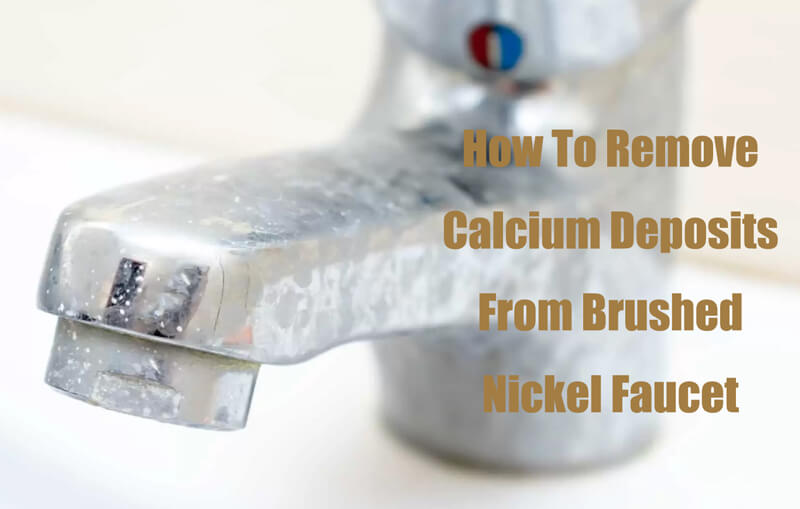 Calcium Removal From Faucets at Maggie Martinez blog
What NOT to Do (Please Don’t Panic)
Don’t mix bleach with vinegar. That creates toxic chlorine gas, which is the opposite of helpful. Also, never use harsh chemical cleaners on marble or granite—those surfaces are delicate and will get eaten alive. Stick to gentle, natural stuff for stone.
And whatever you do, don’t try to chip calcium off with a knife. I know it’s tempting, but you’ll scratch everything and then have two problems: buildup and a ruined surface. Be a patient ninja, not a frantic lumberjack.
The Uplifting Conclusion You Deserve
Listen, calcium buildup is annoying, but it’s not a villain you can’t beat. You have the tools, the vinegar, and a little bit of patience. Each time you wipe away that crusty monster, you’re not just cleaning—you’re reclaiming your home from the forces of hard water. That’s pretty heroic for a Tuesday afternoon.
So go forth, brave cleaner. Your faucets will gleam, your kettle will sing, and your shower door will be so clear you might accidentally walk into it. And when a friend asks, “How did you get your place so shiny?” you can smile, hold up a jug of vinegar, and say, “I had some hard water, but I took the easy way out.”
You’ve got this. Now go make your home sparkle—and maybe pour yourself a glass of lemonade. You earned it.
