How To Remove Pfas From Water

You know that feeling when you’re trying to eat healthier, but the “healthy” lettuce is wrapped in plastic that takes a thousand years to decompose? Well, getting PFAS out of...

You know that feeling when you’re trying to eat healthier, but the “healthy” lettuce is wrapped in plastic that takes a thousand years to decompose? Well, getting PFAS out of your water is like that—except the enemy is invisible, and it’s in your tap. PFAS (those “forever chemicals” from non-stick pans and rain jackets) are the uninvited party guests who refuse to leave. But don’t worry, you can evict them without a hazmat suit or a chemistry degree.
First, let’s get real about what we’re dealing with.
PFAS are like that friend who borrows your car and returns it with a full tank of gas—except they also leave a permanent, invisible stain on the upholstery. They’re in everything from pizza boxes to waterproof boots, and they’ve been chilling in water supplies for decades. The good news? You don’t need to become a water-nerd to fix this. You just need the right tools and a little common sense.
Think of your tap water like a stubborn stain on your favorite shirt. You wouldn’t just rinse it with warm water and hope for the best, right? Same logic applies here. Boiling water does nothing to PFAS. In fact, it might concentrate them—like making a tea bag of chemicals. So put that kettle down and step away from the stove.
Must Read
The superhero gadgets that actually work.
Enter the activated carbon filter. This is the simple, affordable MVP of water treatment. It works like a bouncer at a club, grabbing PFAS by the collar and tossing them out. You’ve seen these in Brita pitchers or fridge filters. But here’s the catch: not all carbon filters are created equal. You need one that’s specifically certified for PFAS removal. Look for “NSF/ANSI 53” or “NSF/ANSI 58” on the label. Otherwise, you’re just paying for fancy tap water that’s still letting those chemicals slide.
Then there’s the reverse osmosis system. This is the overachiever of filters, like that kid in class who got straight A’s and still had time to play video games. It uses pressure to force water through a membrane so small that even PFAS molecules get stuck. Yes, it’s a bit pricey and takes up space under your sink. But if you’re the “I need the best” type, this is your winner. Just remember: you’ll also lose some healthy minerals, so maybe add a pinch of salt or a mineral cartridge later.
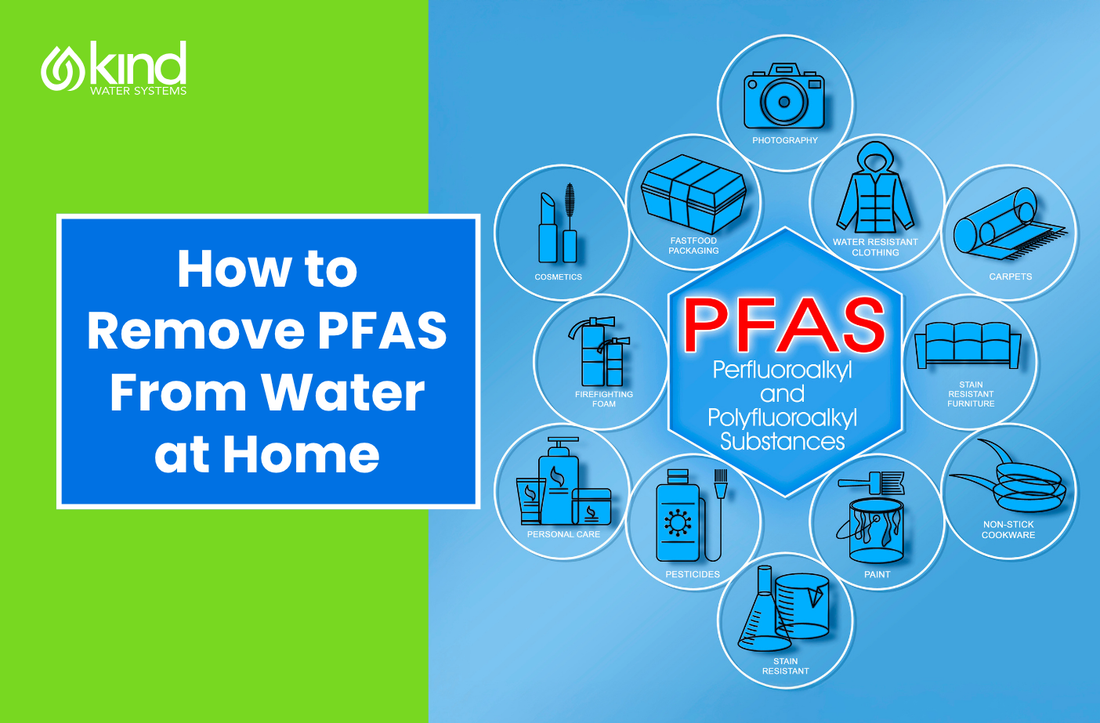 How to Remove PFAS From Water at Home | Kind Water – Kind Water Systems
Don’t forget the simple, low-tech tricks.
Before you buy anything, check if your local water utility has a Consumer Confidence Report. It’s like a medical chart for your water—and it’s usually free online. If PFAS levels are high, you might qualify for a free filter from your city (yes, sometimes the government does the right thing). Also, consider a whole-house filter if you’re a shower-singer. PFAS can absorb through skin, so while you’re belting out “Bohemian Rhapsody,” those chemicals are sneaking in through your pores. A whole-house system is overkill for most people, but if you’re a paranoid perfectionist (guilty as charged), it’s peace of mind.
And here’s a hilarious, practical tip: never reuse plastic water bottles. You know those questionable bottles from the gym that smell faintly of regret? They can leach microplastics and PFAS into every sip. If you must carry water, use a stainless steel or glass bottle. Not because it’s trendy, but because it’s the only way to avoid turning your water into a chemistry experiment.
The “I’m too lazy for all that” option.
Let’s be honest—sometimes you just want to drink water without turning your kitchen into a lab. In that case, buy a countertop filter pitcher with a PFAS-specific cartridge. It’s like a Brita but with a grudge against forever chemicals. Brands like ZeroWater or Clearly Filtered have models that test for PFAS removal. They’re not cheap, but they’re cheaper than a divorce after arguing about tap water. Plus, they come in fun colors, so your fridge looks like a hipster’s dream.
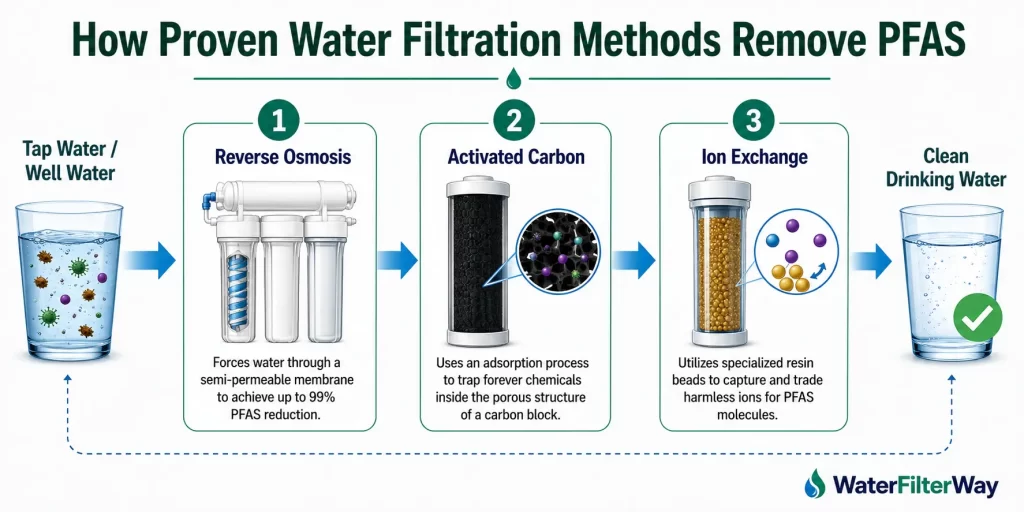 What Removes PFAS from Tap Water? Complete Filter Guide
One more thing: don’t trust the “natural” spring water sold in plastic jugs. A study found that some brands have PFAS levels worse than tap water. It’s the ultimate irony—paying for fancy water that’s secretly hosting a chemical rave. Stick to filtered tap water. It’s safer, cheaper, and you don’t have to haul heavy jugs from the grocery store like you’re training for a CrossFit competition.
The final sip.
Removing PFAS from water isn’t rocket science, but it does require a little effort. Think of it like using sunscreen—you don’t need to understand UV rays to know it works. Start with a certified carbon filter, upgrade to reverse osmosis if you’re fancy, and always read the labels. And hey, if you forget to change the filter on time? That’s okay. The chemicals will still be there tomorrow, waiting to be kicked out. Just like that guest who never leaves the party.
Now go forth, hydrate, and enjoy your chemical-free water. Your future self (and your kidneys) will thank you. And if anyone asks, you can say you’re “a water connoisseur with a rebellious streak.” It sounds way cooler than “I read the manual.”
