How To Protect Freezing Pipes

Let’s be real for a second: a frozen pipe is basically your home throwing a dramatic temper tantrum in the middle of winter. You walk into the kitchen, turn on the faucet, and...

Let’s be real for a second: a frozen pipe is basically your home throwing a dramatic temper tantrum in the middle of winter. You walk into the kitchen, turn on the faucet, and instead of a nice stream of water, you get a pathetic little drip. Nothing, except maybe a cold shiver of dread. It’s like your house decided to go on a silent strike.
But here’s the thing—you can totally outsmart that icy bully. You just need to treat your pipes like the needy, delicate little drama queens they are. Think of them as indoor houseplants that are secretly freezing, except if you forget to water them, they explode. No pressure.
1. Let It Drip, Baby, Drip
This is the laziest, most effective trick in the book. When the temperature drops like a bad stock market, just let a faucet drip a tiny stream of water. Not a full-on shower, just a sad little leak.
Must Read
I know, it feels like you’re wasting water, and your inner eco-warrior might wince. But trust me, a cup of water per hour is way cheaper than a plumber’s invoice. Moving water doesn’t freeze as easily, so you’re basically giving your pipes a little jog to keep their blood—uh, water—flowing.
2. Open Those Cabinet Doors Like You’re Hiding Snacks
Pipes love hiding under your kitchen and bathroom sinks, plotting their freeze. Your job is to expose them to your toasty home air. Open those cabinet doors wide.
Yes, you will see your spare shampoo and that one weird cleaning brush you never use. It’s a little messy, but so is a burst pipe. Think of it as giving your pipes a warm hug. Just make sure you remove any toxic cleaners or bleach if you have kids or pets. We’re preventing a pipe disaster, not creating a poisoning situation.
3. The Great Seal Hunt: Find the Drafts
Remember that one window in the living room that always lets in a tiny breeze? That breeze is a saboteur. It’s sniping your pipes from across the house. Walk around and feel for cold air coming in around doors, windows, and especially where pipes enter your home.
 How to Prevent Frozen Pipes | All Ways Drains | Twin Cities
Use some caulk, weatherstripping, or even a rolled-up towel stuffed in the gap. It’s like putting a scarf on your house. Your pipes will thank you by not turning into a miniature ice sculpture in your wall.
4. The Pre-Freeze Warm-Up (a.k.a. The "I’ll Be Right Back" Move)
If you’re leaving for a weekend ski trip or just visiting your in-laws, don’t just lock the door and bail. You need to be a bit of a control freak. Set your thermostat to at least 55°F (13°C). Not 50, not "I’ll save five bucks." Fifty-five.
I once turned my heat down to 50 to save on a utility bill, and I came home to a kitchen that looked like a sad art installation. A pipe above the stove had frozen and then micro-exploded. There was a tiny waterfall on my salt shaker. Never, ever cheap out on the heat. Your pipes are not budget-friendly.
5. The Emergency Fix: What to Do When It’s Too Late
Okay, you ignored everything I said, and now you have a frozen pipe. Don’t panic. First, leave the faucet open. As the ice melts, water needs to escape. If the pipe is blocked, pressure builds up and—pop—you’ve got a water feature in your hallway.
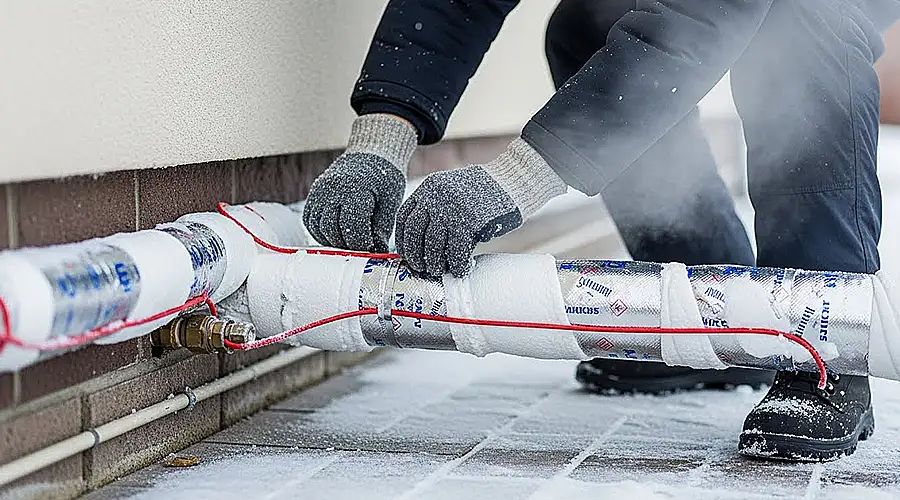 How to Protect Your Pipes During Freezing Weather?
Never, ever use a blowtorch or a flamethrower, even if you’re feeling very Viking-like. You will melt the pipe or burn down your house. Use a hair dryer or a heat lamp. Start at the faucet end and work your way toward the frozen section. It’s slow, but it’s safe.
If you can’t find the frozen spot or the pipe looks ready to burst (like it’s bulging or sweating), call a plumber. Seriously. Just do it. Admitting defeat is cheaper than redecorating.
6. The Final Pro-Tip: Know Where Your Shut-Off Valve Is
This is the ultimate life hack that nobody ever does until they’re ankle-deep in water. Find your main water shut-off valve right now. Go on. I’ll wait. Know where it is. Practice turning it off. It’s usually in the basement, near the water meter, or in a utility closet.
If a pipe does burst, you’ll have about ten seconds of grace before the room becomes a swimming pool. Turning off the water stops the drama. It’s like hitting the pause button on a disaster film. You’ll feel like a hero, even if you’re standing in your socks, holding a soggy mop.
Look, winter is a battle, but your pipes don’t have to be the casualty. Just keep them warm, keep them moving, and never, ever leave them alone with a 55-degree thermostat ego. Stay warm out there.
