Why Is Water In Toilet Brown

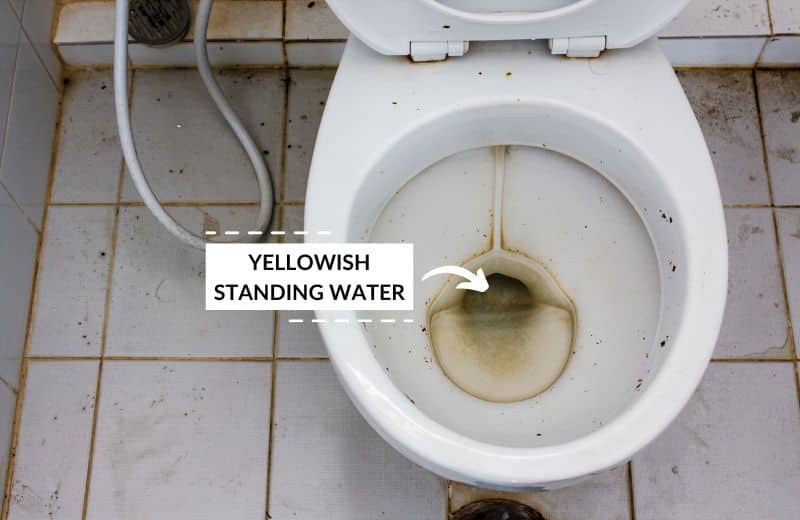
You walk into your bathroom, still half-asleep, and lift the toilet lid. Your morning brain expects the usual clear water, but instead you’re greeted by something that looks l...

You walk into your bathroom, still half-asleep, and lift the toilet lid. Your morning brain expects the usual clear water, but instead you’re greeted by something that looks like weak iced tea. Panic tries to creep in.
Before you call a plumber or start googling nightmare scenarios, take a breath. Brown toilet water is usually more annoying than dangerous, and it’s surprisingly common. Think of it as your home’s plumbing sending you a gentle, murky memo.
The Usual Suspects: What’s Really in the Tank?
Your first instinct might be to blame something dramatic, like a broken sewer line. While that is possible, the far more likely culprit is rust or sediment from your own water pipes.
Must Read
If you have old galvanized steel pipes, they naturally corrode over time. Tiny flakes of rust break loose and color your water a lovely shade of tea. It’s not harmful, but it looks like you flushed a chemistry experiment.
Another common cause is a disturbance in the municipal water supply. Fire hydrants being tested or a water main break can stir up manganese and iron deposits. This is the water version of shaking up a snow globe—except the snow is brown.
Here’s a fun little fact: Ancient Romans used manganese dioxide to darken their glass. So technically, your brown toilet water is a nod to history. Just not the kind you want to show off to guests.
Is Your Toilet Tank Playing Tricks on You?
Sometimes the problem isn’t your pipes—it’s your toilet tank itself. Lift the lid (carefully) and look inside. If the water in the tank is clear but the bowl is brown, you’ve got a different beast.
That brown tinge could be biofilm or mold feeding on minerals in the water. It’s gross, but not a health crisis. Think of it as the toilet equivalent of pink grout in a shower—annoying, but fixable with a scrub.
Alternatively, if the tank water is brown too, then the issue is definitely in your plumbing. A simple flush test can tell you which is which. Science, baby.
Practical Tips: How to Clear the Muddy Mystery
Don’t reach for a plunger yet. Start with the easiest fix: flush the toilet three or four times. If it clears up, you probably just had a temporary sediment surge from the city supply.
 8 Causes of Brown Toilet Water & How to Fix Them
If the brown persists, check your other taps. Turn on the cold water in your kitchen sink or bathtub. If that water is also brown, the problem is in your main line. If only the toilet shows it, the trouble is local.
For a quick fix, try cleaning the toilet tank. Turn off the water supply, flush to drain, and scrub the inside with a vinegar and baking soda paste. Rinse well—chemical cleaners can damage rubber parts.
Still brown? Consider a water filter or a whole-house sediment filter. These aren’t just for drinking water—they protect your toilet from looking like a swamp. Your future self will thank you.
When to Call for Backup
If the water is brown and smells metallic, or if it’s accompanied by a weird taste in your tap water, that’s your sign to call your water utility. They can test for unsafe levels of iron or manganese.
Worried about a sewer leak? Sniff the air carefully. Sewer gas smells like rotten eggs, not like dirt or metal. If you smell sulfur, get a plumber on the line immediately.
One more red flag: dark, almost black water. This could indicate a serious issue with your septic system or a broken well pump. Don’t DIY that one—hire a pro.
Cultural Sidequest: Brown Water in Pop Culture
Believe it or not, brown water has its moments in history. In the 1970s, New York City experienced “brown water events” that turned bathtubs into iced tea dispensers. It was so common that residents just learned to wait it out.
 8 Causes of Brown Toilet Water & How to Fix Them
In some parts of Ireland, rusty water is affectionately called “bog water” after the peat bogs that naturally tint streams. Locals say it’s a sign of character—and they drink it without fuss.
Even Hollywood got in on the act: in the movie “The Money Pit,” a brown bathtub scene captures the chaos of homeownership. See? Even Tom Hanks had to deal with this nonsense.
Fun Facts to Impress Your Friends
Did you know that the Great Wall of China was once fortified with brown water? Not literally, but ancient builders used sticky rice and lime mortar, which sometimes gave the walls a tan hue. Same color, different problem.
Another fun one: the world’s oldest toilet, discovered in China, is over 2,000 years old. It almost certainly had brown water issues, too. Some things never change.
And here’s a golden nugget: the brown color in your toilet is usually caused by iron-oxidizing bacteria, the same microbes that turn lakes orange. They’re harmless to humans, just visually dramatic.
Connecting to Daily Life: A Little Reflection
After you’ve flushed, scrubbed, and maybe called a plumber, take a moment. This is the reality of living in a physical world. Water, pipes, tanks—they all age and rebel. It’s not a crisis; it’s a conversation.
Think of your brown toilet water as a reminder that not everything needs to be perfect. Some things are just part of the day-to-day, like a cloudy sky or a squeaky door. You fix it, you move on, and you laugh about it later.
Next time your toilet looks like a bog, smile a little. You now have the knowledge, the tips, and the trivia to handle it like a pro. And if all else fails, just close the lid and walk away for an hour. Sometimes, the water sorts itself out—just like we do.
