Why Is Ph Important In Water

You probably don't think about pH when you pour a glass of water. Honestly, most of your day is likely spent worrying about work, dinner, or why your Wi-Fi is acting up. But t...
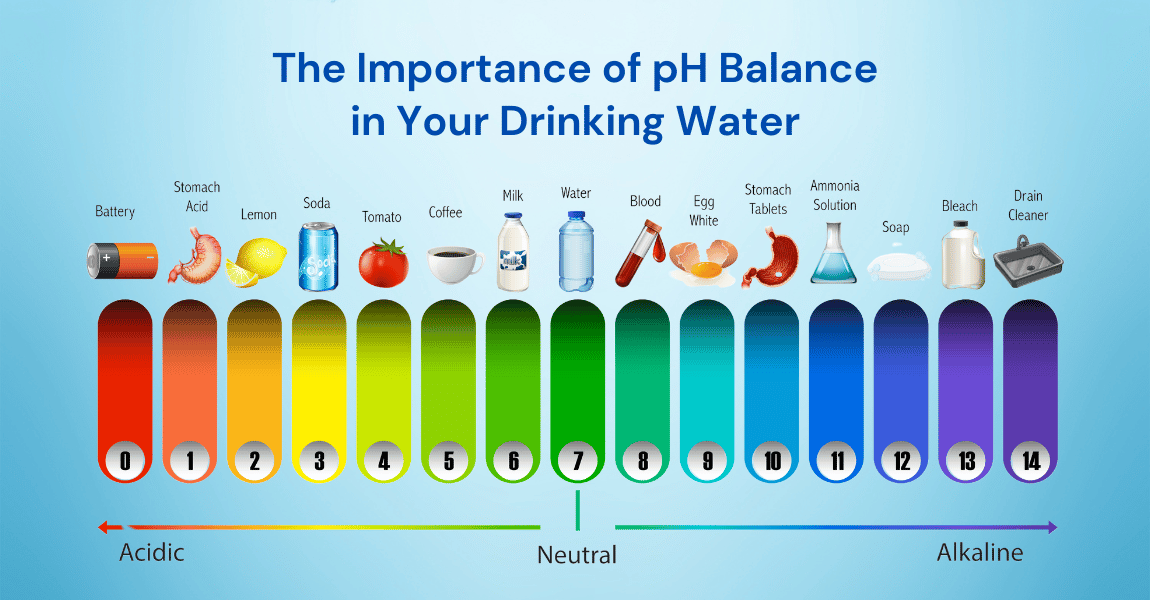
You probably don't think about pH when you pour a glass of water. Honestly, most of your day is likely spent worrying about work, dinner, or why your Wi-Fi is acting up. But trust me, pH is the uninvited guest that can either make your party awesome or totally weird. It’s like the bass player in a band—you don't notice it until it’s out of tune, and then everything sounds like a dying cat.
So what exactly is pH? Imagine water molecules having a tiny little fistfight. Acids are the angry ones that donate extra hydrogen ions, and bases chill out and accept them. The pH scale from 0 to 14 is basically a mood ring: 7 is neutral, below 7 is acidic like lemon juice, and above 7 is basic like bleach. Your perfect drinking water should be sitting right around that sweet spot of 6.5 to 8.5.
Here’s where it gets funny. Have you ever taken a sip from a water bottle that sat in a hot car for hours? That weird, almost metallic taste isn’t just your imagination—it’s your water becoming slightly more acidic. It’s like the water got grumpy from the heat and decided to be a little rude to your taste buds.
Must Read
Why your body throws a party for balanced pH
Your body is obsessed with balance, like that friend who rearranges your fridge. Your blood, for instance, will literally kill to stay at a pH around 7.35 to 7.45. If it wobbles too far, you’d be in the hospital faster than you can say “soda pop.” Water with the right pH helps your kidneys and lungs do their boring but vital jobs without breaking a sweat.
Think of your digestive system as a water slide. Drinking acidic water is like greasing the slide with hot sauce—fun for a second, but then it burns. Balanced water, on the other hand, is like a perfect slide on a summer day: smooth, cool, and refreshing. It helps your stomach handle all the pizza and tacos you definitely ate last night.
I once tried to save money by drinking water from a rain barrel in my backyard. Big mistake. The pH was so acidic it tasted like it had been filtered through a lemon grove. I spent the next hour running to the bathroom feeling like a human science experiment. Lesson learned: pH matters, even if you’re just trying to water your petunias.
 Quick Guide to pH in Drinking Water – Tap Score
The plumbing and your morning coffee
Now, let’s talk about your home. If your tap water has a low pH (too acidic), it can start eating your metal pipes like a toddler with a crayon—slowly and destructively. You’ll end up with copper or lead in your water, which is the opposite of healthy. If it’s too basic (high pH), you get scale buildup that clogs your coffee maker and turns your showerhead into a calcium stalactite.
Ever notice a weird, cloudy film on your tea or coffee? That’s high-pH water being dramatic. It reacts with the tannins in your drink and makes it look like you poured milk into a murky pond. It’s not just ugly—it can ruin the flavor. Your morning brew deserves better than to taste like a chemistry lab.
I once visited a friend whose water was so alkaline it felt slippery, like washing your hands with a bar of soap that wouldn’t stop. She said, “Oh, it’s all natural!” I said, “It’s all natural until your hair feels like plastic.” We laughed, but she switched to a filter the next week.
 Why Is the Water PH Level so Important? | Rika Sensor
How to know if your water is pH-happy
You don’t need a fancy degree to test this. Grab a simple pH test strip from a pet store or online—they’re cheaper than a latte. Dip it in your tap water and wait 10 seconds. If the strip turns orange or red (too acidic), or dark blue (too basic), your water is throwing a tantrum. Neutral green is the goal.
If your water is too acidic, you can install a basic carbon filter or add a pinch of baking soda—seriously, it’s a thing. If it’s too basic, a small acid injection system or reverse osmosis filter works miracles. Your water doesn’t need to be perfect; it just needs to be in that goldilocks zone where nothing gets hurt or tastes weird.
Final pro tip: Never trust that “alkaline water” hype unless you actually like the taste of chalk. Your body already balances its own pH. The real win is water that tastes clean, doesn’t wreck your appliances, and makes you want to chug it like you just ran a marathon in July. Your kidney will high-five you. Your coffee maker will whisper “thank you.” And your taste buds? They’ll finally stop filing complaints.