Why Is My Faucet Water Brown

So, you turn on the tap and get a surprise that looks like iced tea. Your faucet water is brown. Not clear, not clean, but something that belongs in a muddy swamp. You’re not...
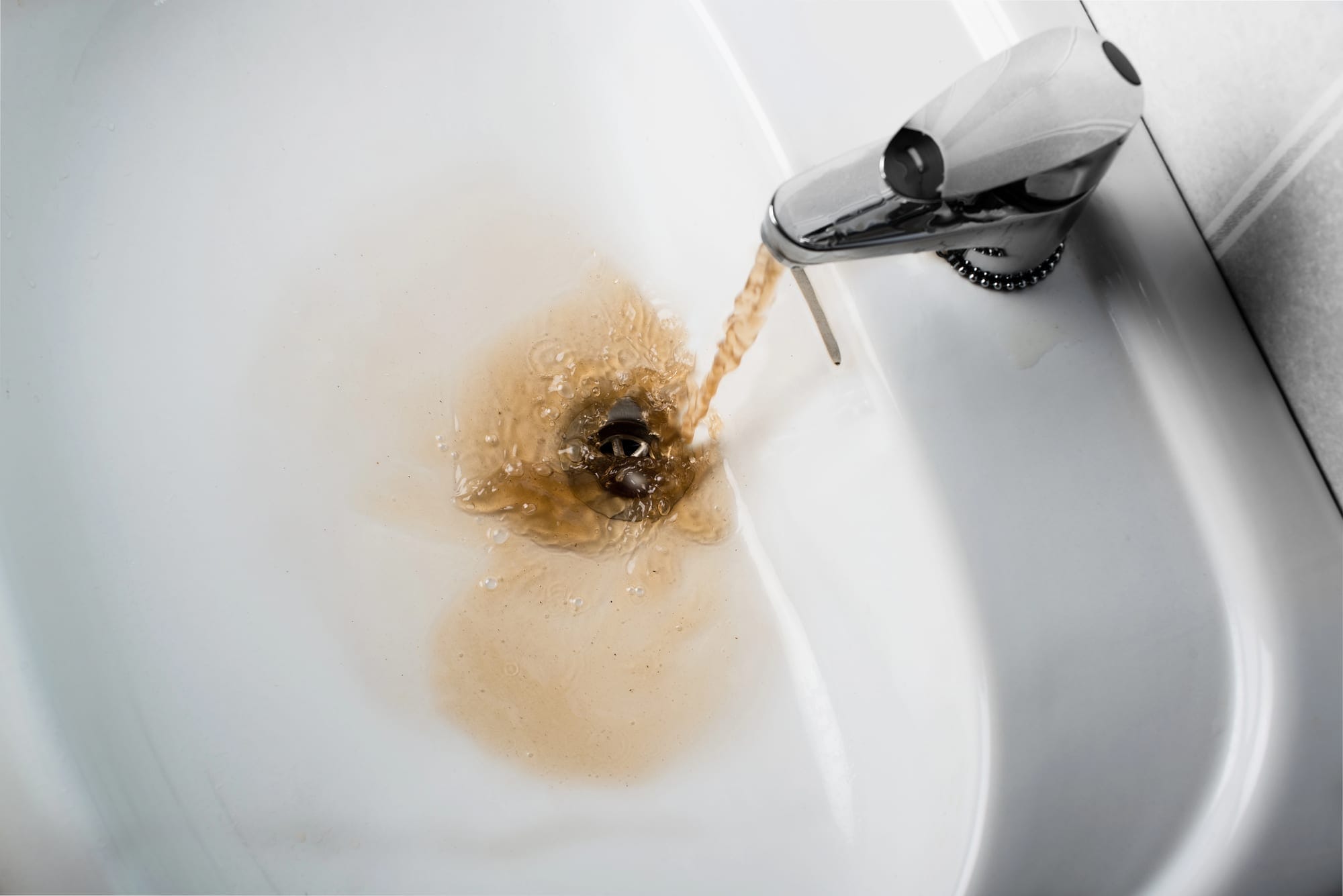
So, you turn on the tap and get a surprise that looks like iced tea. Your faucet water is brown. Not clear, not clean, but something that belongs in a muddy swamp. You’re not alone, and you’re probably not in a horror movie (though it feels that way, right?). Let’s chat about why this happens, one weird coffee date at a time.
The Usual Suspect: Old Pipes
If your house was built before you were cool, the pipes might be old. I’m talking about galvanized steel or iron pipes that have seen decades of use. Over time, rust builds up inside them like a crusty old mineral. When water sits still or pressure changes, that rust flakes off into your glass. Voilà, brown water!
Think of it like a teapot’s insides, but way more annoying. Does the brown water happen only after you haven’t used the tap for a while? That’s a dead giveaway. Let the water run for a few minutes, and it usually clears up. If it doesn’t, read on.
Must Read
When the City Gets Busy
Your water isn’t always a solo act—it shares pipes with your neighbors. Sometimes, the city or your local water utility has to do maintenance. They flush fire hydrants, repair a main line, or fix a leak. That stirs up sediment and minerals that have been chilling at the bottom of the pipes for years. You get the brown shower surprise.
Don’t panic; this is usually temporary. Check your local news or water department’s website. They’ll often post warnings like “Hey, we’re flushing hydrants today, your water might look weird.” It’s like a weather report, but for your tap. Run your water for 10–15 minutes after they finish, and you’ll be golden.
The Well Water Woes
If you live on a private well, brown water can be a bit more dramatic. It’s not rust from city pipes—it’s from your own property. Heavy rain can seep into the ground and wash iron, manganese, or even dirt into your well. It’s like your well decided to make muddy lemonade without asking.
Check if the water smells metallic or like rotten eggs. If it does, you might have iron bacteria or high mineral content. That’s a fix with a water softener or a special filtration system. No, you can’t just wave a magic wand, but a plumber can sort it out in a day.
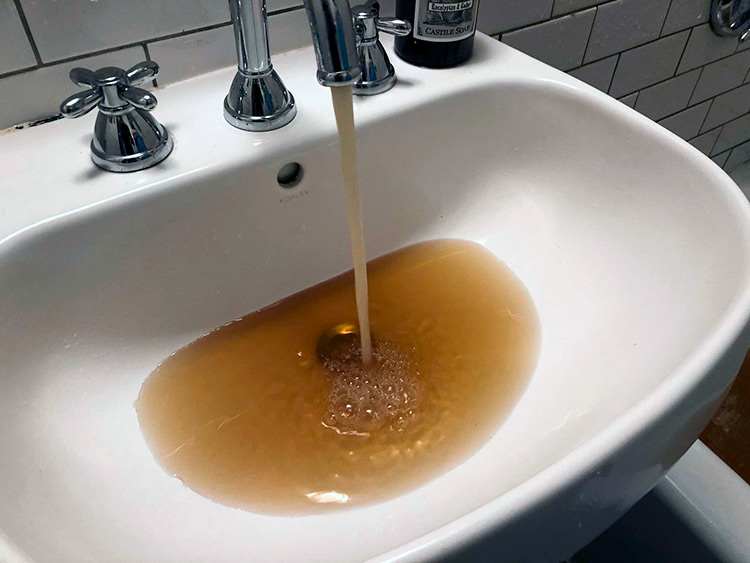 Faucet Running Brown Water
Your Water Heater’s Midlife Crisis
Surprise! Your water heater can also be the villain. If the brown water only comes from the hot tap, your heater’s internal anode rod might be dead. That rod is supposed to protect the tank from rust. When it fails, the tank itself starts corroding. You get rusty, brown hot water. It’s like the heater is having a tantrum.
Try running just the hot water for a few seconds. If it’s brown, your heater needs a flush or a new anode rod. Call a pro, or if you’re brave, watch a YouTube tutorial. Just don’t burn yourself—hot water and bravery don’t mix well.
Is It Safe to Drink?
Here’s the million-dollar question: can you drink brown water? Probably not a great idea. Rust and sediment are mostly harmless in tiny amounts, but they can upset your stomach. If the water smells, tastes, or looks funky, don’t chug it. Use bottled water for drinking and cooking until it clears up.
But if you have black or yellow brown water, that’s a different story. Black water could mean mold or silt, and yellow might be from manganese. Both are gross and not worth the risk. Stick to bottled or boiled water until an expert gives the all-clear.
 Brown Water from Taps – Should You be Worried? – In Deep Plumbing
The Easy Fixes (Yes, You Can Try These)
First, run all your cold taps for 10–15 minutes. All of them. It flushes out the sediment from your home’s pipes. If it works, great—you’re a DIY hero. If not, check your outdoor spigot. If that water is clear, the issue is inside your house.
Next, check your water meter or main shut-off valve. Sometimes, a recent repair can leave debris. A pro can install a whole-house sediment filter to catch stuff before it reaches your faucet. It’s like a net for water gremlins.
When to Call a Pro (Don’t Be a Hero)
If the brown water sticks around for more than a few hours, call your water company. If they say “it’s nothing,” call a plumber. A persistent brown tint could mean a broken pipe, a leak, or a contamination issue. Don’t wait until your whole apartment looks like a sepia film.
And if the water suddenly turns black or smells like gasoline? Stop reading this article and call emergency services or a professional. That’s a real red flag, not just a funny story to tell at brunch.
Final Sip of Wisdom
Brown faucet water is almost always a temporary, fixable annoyance. It’s not the end of the world—just a test of your patience and plumbing knowledge. Run the water, check the source, and call for backup if needed. And hey, next time you’re at a coffee shop, you’ve got a funny story to share. “Remember that time my tap water looked like iced tea?” You’re welcome.
