Why Is My Toilet Water Brown

You walk into the bathroom, sleep still in your eyes, and you see it: the water in the toilet bowl has turned a murky, uninviting shade of brown. It’s a little like finding a...
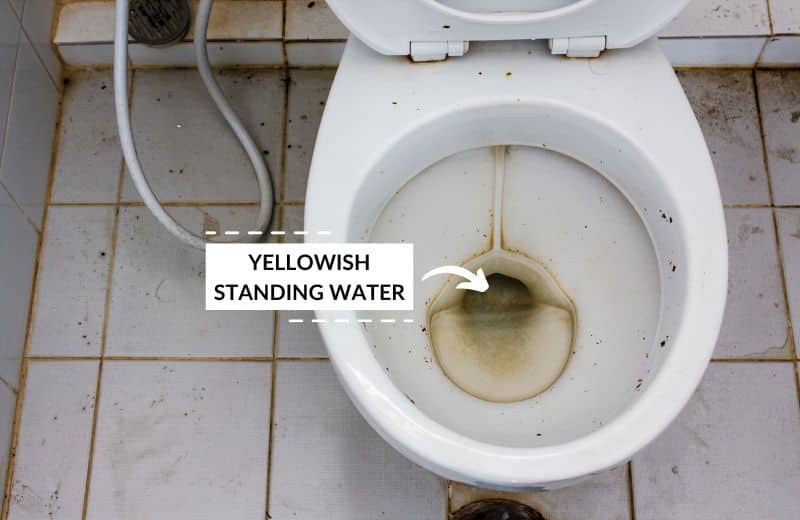
You walk into the bathroom, sleep still in your eyes, and you see it: the water in the toilet bowl has turned a murky, uninviting shade of brown. It’s a little like finding a cold cup of coffee sitting in your favorite mug—only, you know, in the toilet. Before you panic and call a priest, take a deep breath. You are not alone, and your plumbing is probably not haunted.
The Big, Not-So-Scary Reason: City Work
The most common culprit for that brown water is your local water authority flushing the fire hydrants or doing main repairs. Think of it as the town giving the water pipes a giant, messy spring cleaning.
When they open those hydrants, the sudden rush of water can stir up sediment—like rust and minerals—that normally sits quietly at the bottom of the pipes. It’s the same reason you might get a brown glass of water from the kitchen tap after a big storm.
Must Read
If only the hot water is brown, it’s likely your own water heater acting up. It’s like a pot of soup you forgot to stir—the tasty bits (in this case, rust) settle at the bottom until something disturbs them.
Your Own Pipes Might Be the Drama Queen
If you’ve got old metal pipes, especially galvanized steel or copper ones, they can corrode over time. This corrosion flakes off and turns your toilet water into a swampy tint—a bit like a slow, rusty tear from your home's infrastructure.
Think of copper pipes like a penny left out in the rain. They turn green and release particles that can make water look reddish-brown, especially if you haven’t used the bathroom in a few hours. It’s just nature reminding you that nothing lasts forever—not even your pipes.
This is especially common in older homes. If you live in a house built before the 1980s, your pipes might be singing a rusty little song every time you flush.
Why You Should Care (Besides the Obvious 'Eww' Factor)
While brown water is usually not dangerous to your health—it’s mostly iron, manganese, or harmless sediment—it can be a bad sign for your clothes. That rusty water can stain your whites a dingy orange, turning your favorite t-shirt into a tie-dye experiment gone wrong.
 Brown Water in Toilet: Common Causes and Solutions Explained
It also matters for your plumbing appliances. If the water is consistently brown, that sediment can clog your toilet’s tiny fill valve or ruin the washer in your washing machine. It’s like feeding your appliances a gritty, sandy snack every day—they’ll eventually get cranky.
And let’s be real: it’s not exactly relaxing to soak in a tub that looks like weak iced tea. You deserve a bathroom that feels like a spa, not a science experiment.
How to Tell If It’s a Quick Fix or a Big Deal
First, run the cold water from your kitchen sink for a few minutes. Is it clear? If yes, check the toilet again in an hour. If the toilet clears up on its own, the brown water was probably just that neighborhood hydrant flushing passing through. You’re fine—go enjoy your morning.
But if the brown color sticks around for hours or days, that’s your house shouting for attention. Do all your sinks and the shower give you the same brown water? If yes, the problem is likely in your main water line or the city supply.
If only one toilet is brown while the rest of the water is crystal clear, you’ve got a toilet-specific problem. It might be a corroded flush valve or a flapper that’s letting rusty water from the tank seep back in—like a bad gatekeeper.
 Why Is My Toilet Water Brown? 9 Fast & Easy Ways To Fix It Now
The Fun Part: You Can Help Yourself Right Now
Try this little trick: flush the toilet twice. The first flush pushes out the brown water sitting in the bowl. The second flush brings in new water. If that second flush is clear, you just had a case of stale rusty water from lack of use. Problem solved with zero tools.
If the water stays brown after two flushes, check the tank (the back part). Lift the lid carefully—if the inside of the tank looks like a rusty swamp, you need to replace the internal parts. It’s a cheap, easy fix you can do with a YouTube video and a trip to the hardware store.
Finally, if you have well water, brown toilet water is a classic sign of iron or manganese in your supply. That’s a whole-house water filter conversation, but the good news is that you’re not alone—it’s a very common problem in rural areas.
A Warm Little Conclusion
So, next time you see brown water in the toilet, don’t lose your cool. Give it a flush, run the taps, and think of it as a little message from your home. Most of the time, it’s just a sleepy, rusty yawn from your plumbing—not a crisis.
And hey, if all else fails, remember this: brown water is not a judgment on your cleanliness. It’s just a sign that your house has a story to tell. Listen to it, fix it if you can, and go enjoy a clear glass of water. You’ve got this.
