Why Fluoride In Water Is Bad

Okay, let’s talk about something that’s been bubbling in your water glass for decades: fluoride. You know, that stuff they say is a miracle for your teeth? Well, grab a comfy...
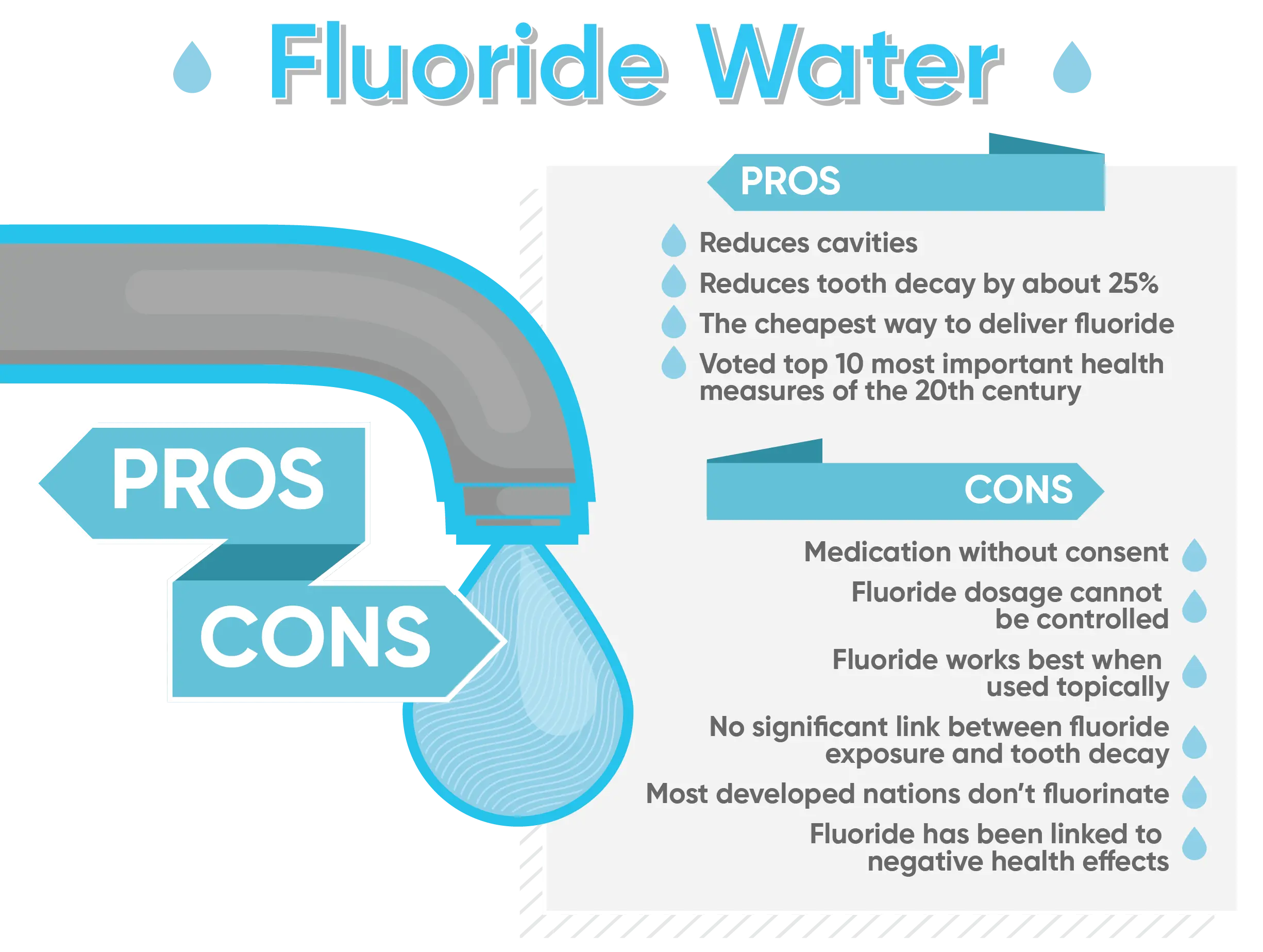
Okay, let’s talk about something that’s been bubbling in your water glass for decades: fluoride. You know, that stuff they say is a miracle for your teeth? Well, grab a comfy seat and maybe a non-fluoridated seltzer, because we’re diving into the weird, wacky, and slightly concerning reasons why fluoride in water might not be the hero it’s cracked up to be.
The "One-Size-Fits-All" Fallacy
Imagine if your barista added a shot of espresso to every drink, including your toddler’s apple juice. That’s basically what fluoridated water does. It doesn’t ask if you’re a 200-pound athlete or a 5-pound chihuahua. It just doses everyone with the same chemical, regardless of age, weight, or health.
This is like trying to fix a leaky faucet with a sledgehammer. Sure, it might stop the leak, but it’ll also smash your sink, your toes, and probably your neighbor’s cat. Overdose is a real risk here, especially for kids who might swallow toothpaste too.
Must Read
And let’s not forget: we already get fluoride from toothpaste, mouthwash, and certain foods. Adding it to water is like double-dipping your chip at a party—nobody asked for that, and it’s kinda gross if you think about it.
Dental Fluorosis: The "Sparkle" You Didn't Ask For
Ever seen someone with white streaks or brown spots on their teeth? That’s dental fluorosis, a fancy term for “too much fluoride during childhood.” It’s not painful, but it’s permanent—like a regrettable tattoo from a spring break trip you barely remember.
Your teeth don’t need to look like a zebra’s pajamas. Yet, studies show that one in four kids in the U.S. now have some degree of fluorosis. That’s a lot of kids walking around with toothpaste commercials gone wrong.
The irony? The same chemical meant to “protect” your teeth can actually damage the enamel if you get too much. It’s like getting sunburned while wearing sunscreen—oops.
The Skeleton's Little Secret
Now, let’s get a bit serious, but keep it light. Skeletal fluorosis is a thing. It’s when fluoride builds up in your bones, making them brittle and oddly dense. Think of it as your skeleton doing CrossFit on steroids—not in a good way.
This condition is rare in the U.S., but it’s more common in areas with naturally high fluoride or where water is artificially dosed. Your bones shouldn’t feel like chalk that’s been dipped in glue; they should be springy and resilient.
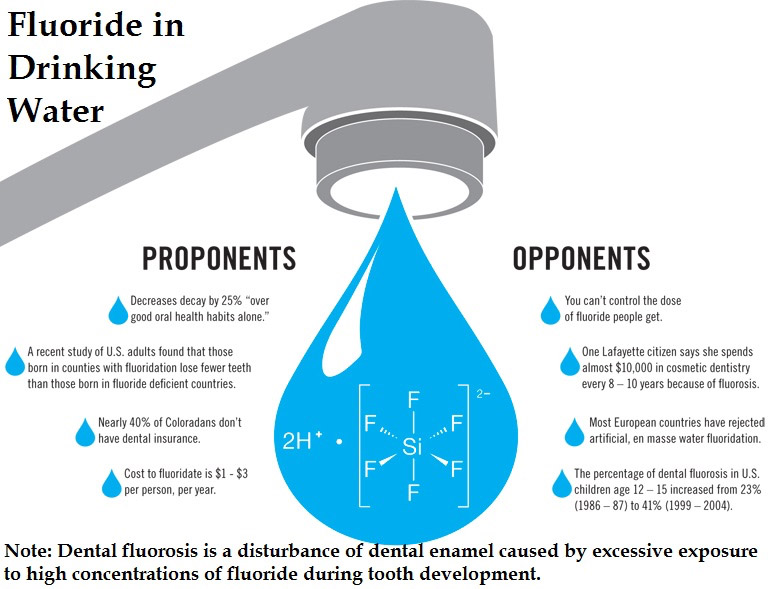 Water Fluoridation by Nima Alipour D.O. - Marque Urgent Care
Plus, some researchers wonder if fluoride messes with your thyroid or brain. The jury’s still out, but do you really want to be the guinea pig for a 1950s experiment? No thanks, I’d rather not gamble with my IQ over a glass of tap water.
The "Cost vs. Benefit" Game
Here’s the kicker: the benefits of fluoridated water are tiny compared to the risks. Fluoride works best when applied topically—that is, directly on your teeth—not swallowed. So drinking it is like eating sunscreen to avoid a sunburn. It just doesn’t make sense.
Modern toothpaste does the job perfectly fine. You brush, you spit, you smile. No need to turn your entire water supply into a chemistry experiment. Kissing someone after they’ve brushed is romantic; kissing someone after they’ve drunk tap water flavored with industrial waste? Eh, less so.
And let’s talk cost: municipalities spend millions of dollars adding fluoride to water. That money could go toward better schools, parks, or free dental clinics for low-income families. Instead, we’re pouring it down the drain—literally and figuratively.
The "Conspiracy" That Isn't
I know what you’re thinking: “Is this one of those tin-foil hat things?” Nope. The World Health Organization and even some dentists now question mass fluoridation. It’s not about aliens or mind control; it’s about common sense.
Countries like Sweden, the Netherlands, and Japan don’t fluoridate their water, yet their cavity rates are just as low as—or lower than—ours. Coincidence? I think not. It’s almost like clean teeth come from hygiene, not from drinking a chemical soup.
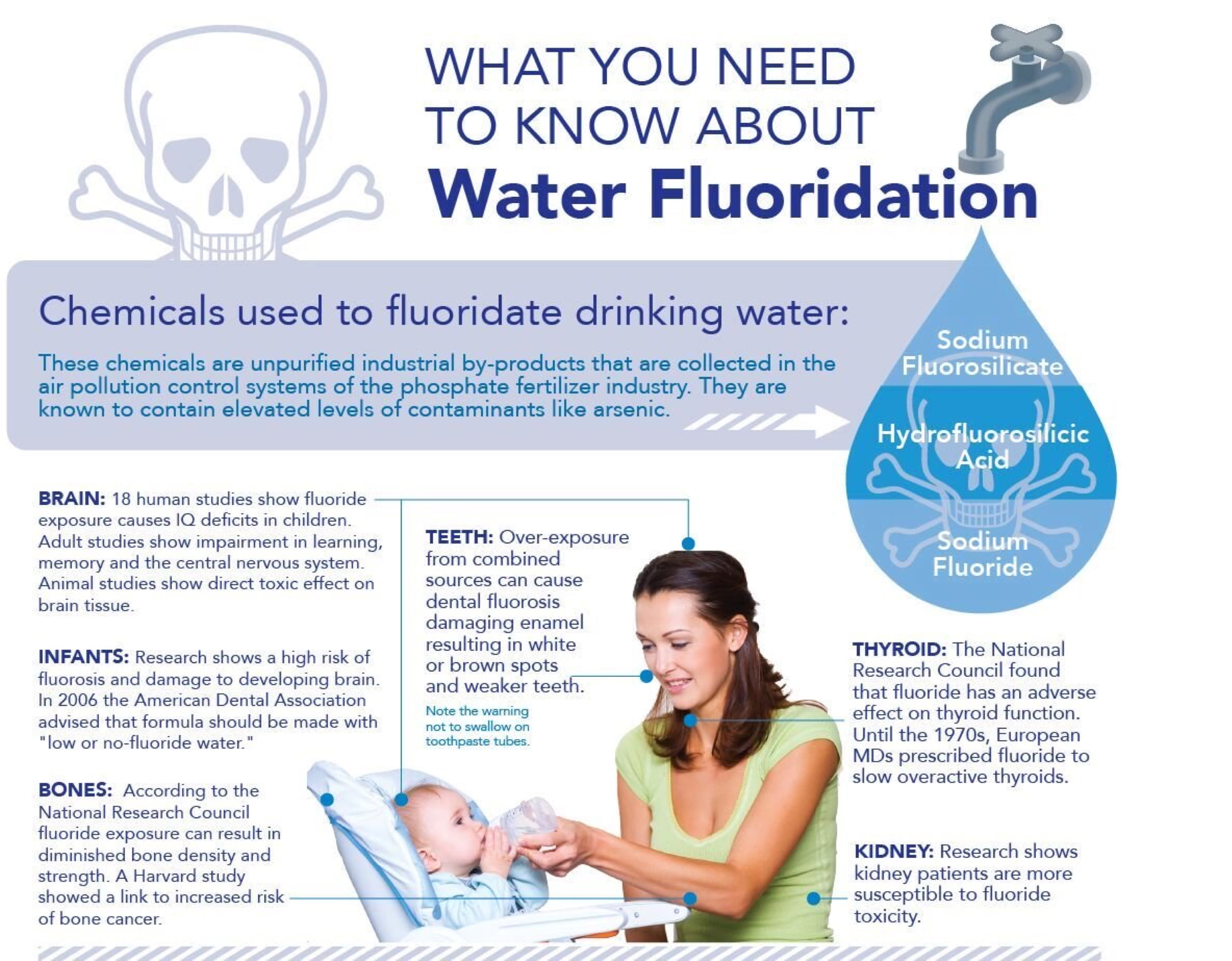 Fluoride: Good or Bad? - AlkaViva LLC
So, when someone says fluoride is safe, just remember: the same was said about leaded gasoline and asbestos. We’re not anti-science; we’re pro-thinking for ourselves.
What Can You Do? (Besides Panic)
Relax! You don’t need to move to a remote island and drink coconut water 24/7. Simple steps: use a water filter that removes fluoride (look for reverse osmosis or activated alumina). Or just stop drinking tap water and switch to spring water—your taste buds will thank you.
Brush with fluoride toothpaste if you want, but don’t swallow it. Teach kids to spit, not swallow. And if you’re feeling fancy, get a fluoride-free toothpaste with xylitol or baking soda. Your teeth will still be clean, and you’ll feel like a rebel.
And remember: laughter is the best medicine. Fluoride-free, guaranteed.
The Uplifting Conclusion (I Promise)
So, here’s the silver lining: you’re now armed with knowledge. You don’t have to be a passive drinker of whatever flows from the faucet. You can choose what goes into your body, which is pretty awesome.
Think of this as a little adventure in wellness. You’re not fighting the system; you’re just being smart and curious. And that, my friend, is the best kind of rebellion—one that leaves you with a sparkling smile (and no weird zebra stripes on your teeth).
So go ahead, pour yourself a glass of filtered water, raise it high, and toast to a future where your teeth are clean, your bones are happy, and your water is just… water. Cheers to that! 🥤✨
