Why Is My Water Cloudy White

So there I was, last Tuesday morning, groggily pouring myself a glass of tap water. I was half-asleep, dreaming of coffee, when I nearly dropped the glass. The water wasn’t cl...
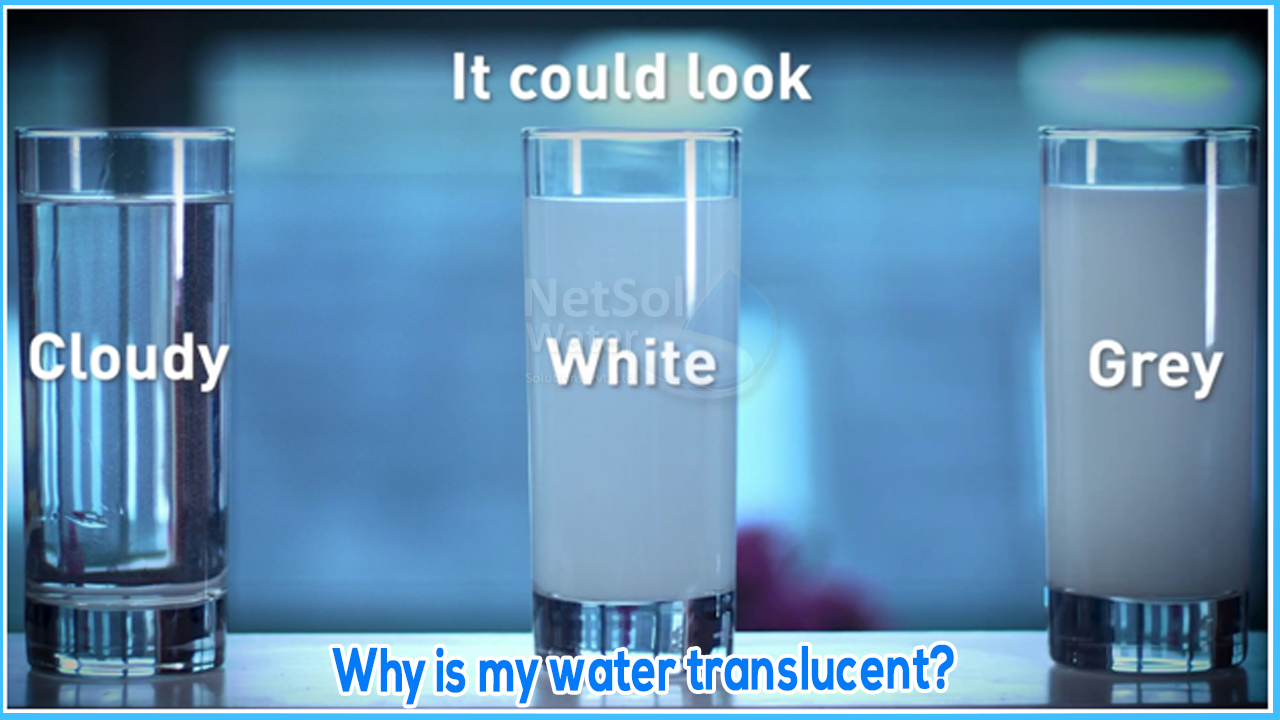
So there I was, last Tuesday morning, groggily pouring myself a glass of tap water. I was half-asleep, dreaming of coffee, when I nearly dropped the glass. The water wasn’t clear. It was milky white, like someone had mixed in a splash of paint. Panic mode activated. Had my pipes suddenly become a science experiment gone wrong?
I stared at it for a solid minute, fully expecting a tiny cloud monster to crawl out. (Spoiler: it didn’t.) But here’s the thing—this happens to a lot of us, and the first instinct is to assume the worst. Let’s save you the panic. It’s almost always harmless, and I’m about to explain why.
The Usual Suspect: Trapped Air
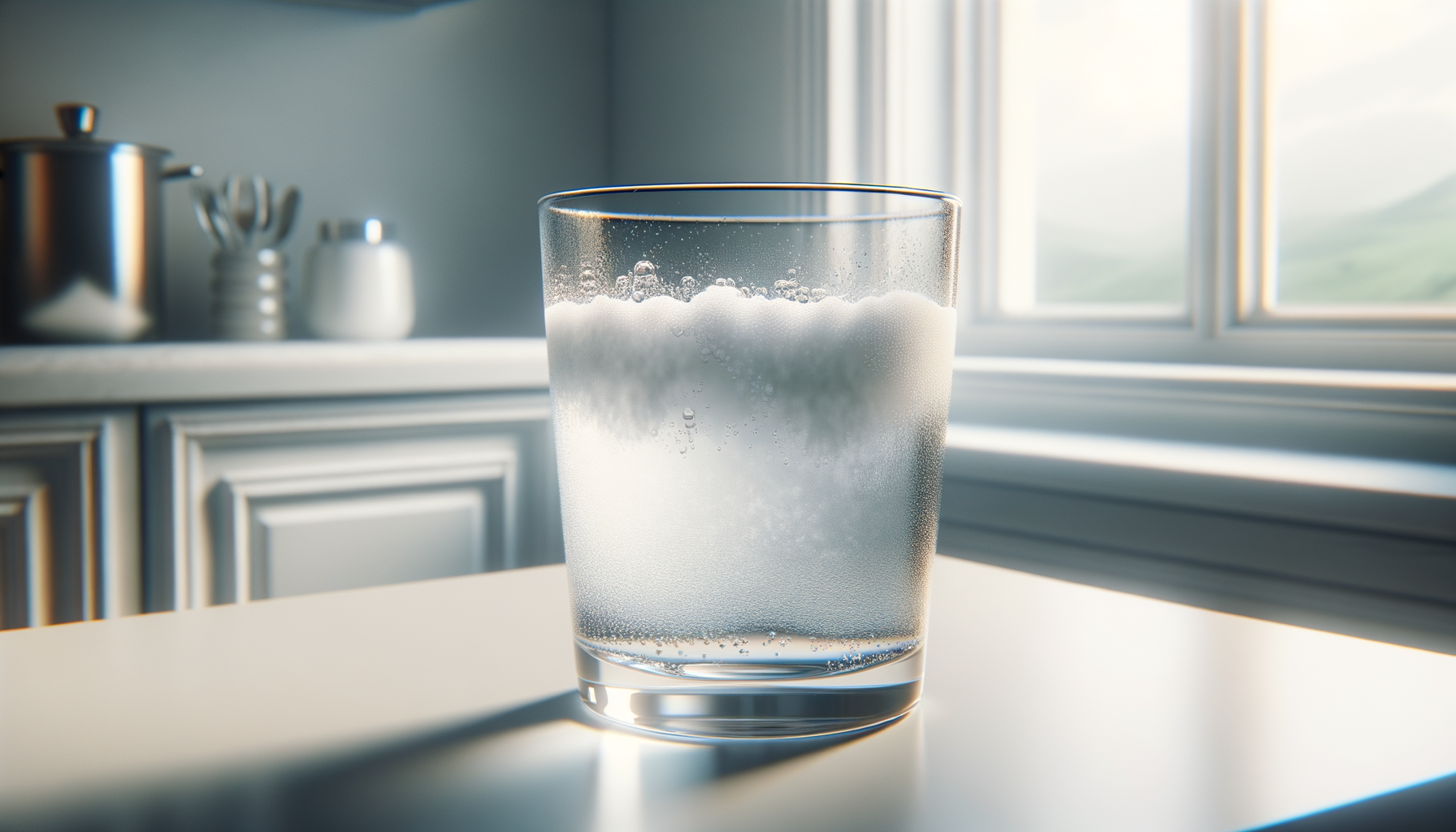
Nine times out of ten, that cloudy white water is just tiny air bubbles playing hide-and-seek in your glass. Think of it like opening a bottle of soda—the sudden change in pressure releases gas, and your water gets fizzy for a second.
Must Read
How can you tell? Fill a glass and let it sit on the counter for a minute. If the cloudiness clears from the bottom up, like a reverse magic trick, it’s air. Your pipes are just burping. (Funny visual, right?)
This happens more often in winter, when cold water holds more dissolved air. When it hits your warm kitchen, it releases that air like a relieved sigh. You’re basically drinking tap water that took a deep breath.
But Wait—It Stays Cloudy for Hours?
If your water stays milky after ten minutes, that’s a different story. Then we might be talking about sediment—tiny particles of sand, rust, or calcium. This is common in older pipes or after nearby construction shakes things up.
Try this: shake the glass gently. Does it look like a snow globe? That’s sediment. It’s usually gross-looking but not dangerous, though it can taste metallic. A simple filter can fix this without much fuss.
 Why Is My Tap Water Cloudy or Milky?
I once had a friend who panicked for a week, only to realize the city was flushing fire hydrants nearby. Always check the neighborhood gossip first. (Trust me, your local Facebook group will have the drama.)
When to Actually Worry (And When to Laugh)
Here’s the ironic part: the most serious cause is actually the rarest. If your water is white and smells like bleach or rotten eggs, stop drinking it. That could be a pipe contaminant like chlorine gas or sulfur bacteria.
But honestly? Most cloudy water is just air or harmless minerals. I once Googled it for two hours, convinced I had a plumbing emergency. I ended up just shrugging, pouring the glass down the sink, and switching to tea. You laugh now, but it’s a rite of passage.
So here’s your checklist: fill a glass, let it sit, and watch it clear. If it does, you’re fine. If not, run the tap for a minute to flush the pipes—it’s just cold water trying to find its balance.
 Why Is My Tap Water Cloudy? | North East Plumbing
The Real Test: Does Your Kettle Scale Build Up?
If you see white flakes in your boiled water or coffee pot, that’s hard water (calcium and magnesium). It’s not dangerous, but it can make your water look cloudy when hot. Fun fact: hard water is actually better for your bones. (Your kettle might hate you, but your skeleton thanks you.)
I switched to a jug filter, and boom—no more mystery clouds. Plus, my coffee tastes better. Win-win, right? Sometimes the solution is just a little common sense and a plastic container.
Final Sip of Wisdom
So next time you pour a glass that looks like a ghost threw up in it, don’t panic. Remember my Tuesday morning theater show. It’s almost definitely just air, and you have nothing to fear.
If it still bugs you, call your water company. They love explaining this stuff, I swear. (They probably get three calls a day from people like us.) In the meantime, pour a glass, watch it clear, and feel smug about your new plumbing knowledge. You’ve officially leveled up in adulting.
Now go drink your water—clear or not. Hydration waits for no one. Cheers!
