Why Does My Water Look Milky

So, you just poured yourself a tall, refreshing glass of water. You bring it to your lips, ready for that first sip. But wait... is that milk? Nope, you’re not hallucinating....
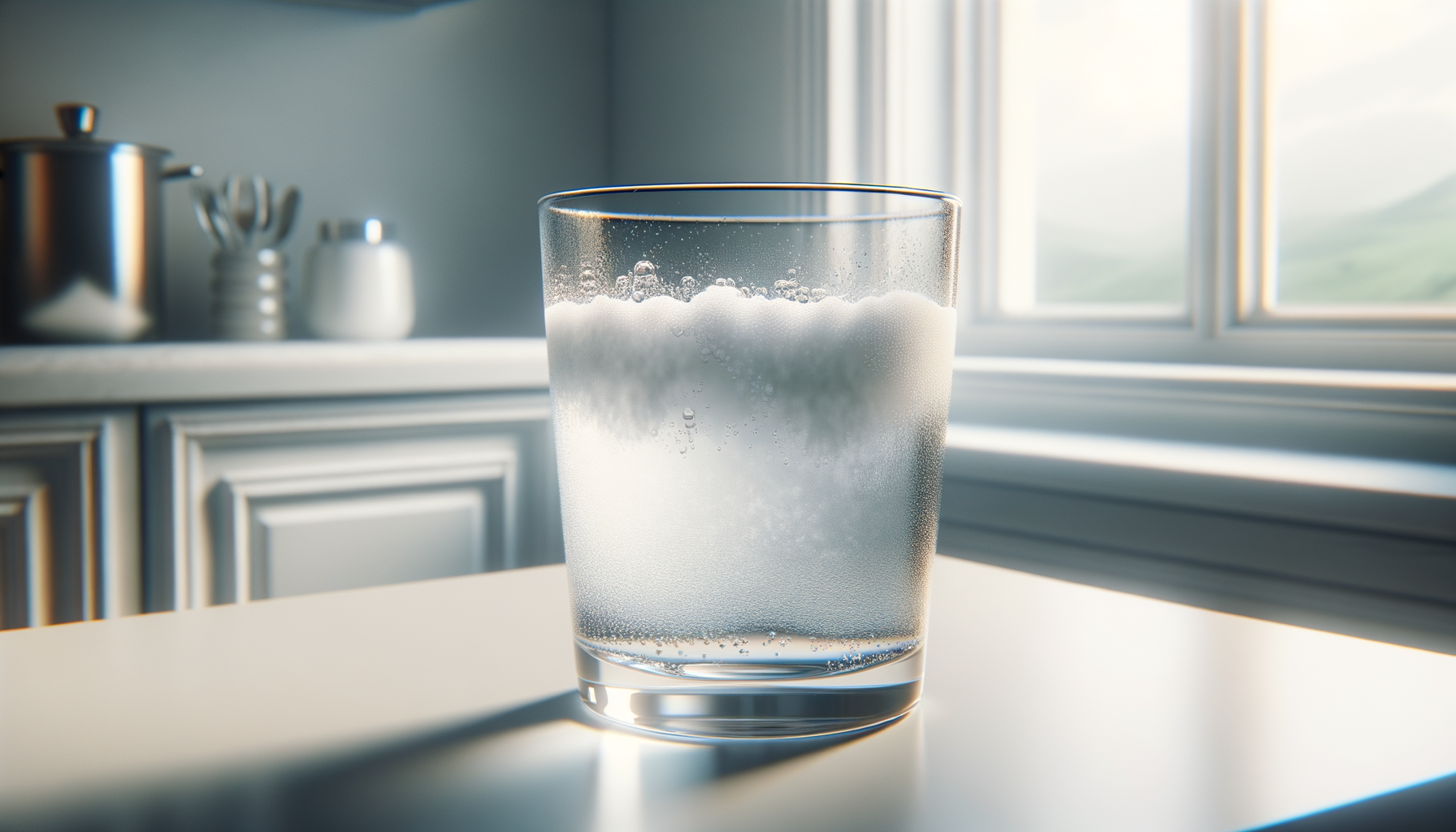
So, you just poured yourself a tall, refreshing glass of water. You bring it to your lips, ready for that first sip. But wait... is that milk?
Nope, you’re not hallucinating. And no, the carton didn’t mysteriously float into your faucet. Your tap water looks milky, cloudy, even a little haunted. What gives?
Let’s talk about it, friend. Grab your coffee (not the milky water) and let’s unravel this mystery.
Must Read
The Big Culprit: Tiny Bubbles
Here’s the first thing you need to know: that milky look is almost always caused by air bubbles. I’m not joking. Your water is basically having a tiny, invisible dance party.
When cold water runs through pipes under pressure, dissolved air gets trapped. As soon as you open the tap, the pressure drops, and poof—millions of tiny bubbles form.
They scatter light, making the water look solid white. Like a fizzy soda, but without the burps.
How to Test It (Science You Can Do in Your Sink)
Fill a clear glass with that weird, milky water. Then, just wait. Don’t stare too hard—you’ll hypnotize yourself.
Watch the bottom. If the cloudiness clears from the bottom up, it’s bubbles. They rise and pop, and within a minute or two, your water is crystal clear.
That’s it. That’s the whole trick. No ghosts, no broken pipes, no weird milk-water hybrid.
But What If It Doesn’t Clear?
Okay, now we need to get serious for about 30 seconds. If your water stays milky after sitting for five minutes, it might be something else.
 Water Quality FAQs - Highlands Ranch Water
Sediment, like sand, silt, or rust from old pipes, can also cause cloudiness. This is more common if you live in an older house or after a water main break.
Another possibility: hard water. Hard water has lots of minerals, like calcium and magnesium. They don’t make water milky on their own, but if they react with soap or heat, you get a cloudy film.
Still, if the cloudiness sticks around for more than a few minutes, give your local water utility a call. They love talking about turbidity. (Okay, they might not love it, but they’ll help.)
Is It Safe to Drink? (The Big Question)
Short answer: yes, almost always. If it’s just air bubbles, you’re drinking perfectly normal H2O with a bit of extra fizz. Your stomach won’t notice.
In fact, some people prefer bubbly water. You’re just getting it for free. Fancy, right?
If it’s sediment or hard water, it’s still usually safe. Those minerals are actually good for you in small doses. But if the water tastes metallic, smells like rotten eggs, or leaves a slimy feel, stop drinking it. That’s your cue to call a pro.
The One Time You Should Panic (Just a Little)
If your water is milky and has an oily sheen on top, that’s not bubbles. That might be pipe lubricant or even a leak from a nearby heating system.
 Troubleshooting Cloudy Water in Reverse Osmosis Systems: How to Relieve
Also, if the entire neighborhood has milky water and the company says “don’t drink it,” don’t drink it. Seriously. Follow the boil-water advisory.
But for 99% of you reading this? It’s just air. You’re fine. Go drink that glass already.
How to Prevent the Look (For Vanity’s Sake)
Let’s be real: milky water isn’t dangerous, but it’s not exactly Instagram-worthy. If you’re hosting a dinner party and want to impress, there’s a fix.
Let the water run for a few seconds before filling your glass. That releases trapped air from the pipes. Or, just let the glass sit for a minute—the bubbles will vanish.
You can also install an aerator on your faucet. That actually adds air on purpose, but it makes the water feel softer. Kind of poetic, isn’t it?
Final Sip of Wisdom
Next time you see milky water, don’t panic. Just do the glass test. Watch the bubbles rise. Feel smart.
And remember: your water isn’t turning into a latte. It’s just having a little fun. Let it be.
Now, go pour yourself another glass. This one’s on me. (Metaphorically. My tap is far away.)
