What Does Sulphur Smell Like

Let’s be honest for a second. When you hear the word “sulphur,” your brain probably screams rotten eggs, right? And sure, that’s the headline act—the infamous, nose-wrinkling...
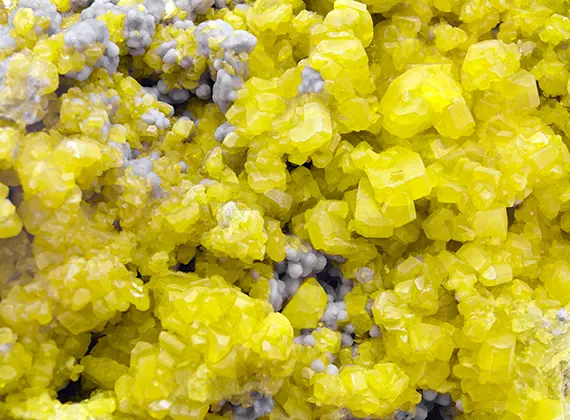
Let’s be honest for a second. When you hear the word “sulphur,” your brain probably screams rotten eggs, right? And sure, that’s the headline act—the infamous, nose-wrinkling “smell of hell.” But here’s the wild part: that same sharp, acrid, almost lightning-in-a-bottle scent is actually a secret key to unlocking a world of science, nature, and pure wonder. It’s time to give the stuff a second chance.
The Smell That Started a Panic (and a Business)
Think about the last time a match was struck near you. That distinct, zesty poof of air? That’s your first friendly encounter with sulphur. It’s not just stink; it’s chemical theatre.
Without that smell, we wouldn’t have the brilliant “Eureka!” moments of early chemistry. Matches, gunpowder, and even the rubber in your car tires all owe a bow to this pungent element.
Must Read
But What Does It Really Smell Like?
Imagine a rock that has been sunbaked for a million years. Now, imagine that rock also wants to remind you that you are alive. That’s sulphur. It’s a sharp, piercing note, like a trumpet that got lost in a cave full of garlic and minerals.
Some folks say it smells like the air just before a big thunderstorm—that crackling, metallic bite. Others compare it to the earthy funk of wet soil after a long drought. It’s complex, and it’s definitely not shy.
How This Funky Stink Makes Life More Fun
Here’s where it gets truly brilliant: we rely on this smell for flavor. Ever enjoyed a glass of red wine? Thank the sulphites that preserve it and give it that je ne sais quoi.
What about the world’s most delicious mushrooms? Or that whiff of volcanic soil on a hike? That’s sulphur, playing the role of the friendly ghost—scary at first, but actually the life of the party. It’s the reason we know a gas leak is dangerous, saving lives with its very presence.
 What Does The Smell Of Sulphur Mean
A Field Guide to Sulphur Smells
Let’s break it down, shall we? Rotten eggs = hydrogen sulphide (the stinky one). Burnt match = sulphur dioxide (the zingy one). Hot springs = a mineral bath of pure, primal earth (the therapeutic one).
Next time you smell it, don’t just wrinkle your nose. Play detective. Is it a volcanic whisper? A gourmet truffle? Or just a forgotten hard-boiled egg? See? It’s a game!
The Uplifting Truth About Stink
Here’s the secret no one tells you: the most memorable things in life often have a bit of an edge. The sharp taste of lemon. The fiery burn of ginger. And yes, the challenging aroma of sulphur. It wakes up your senses and reminds you that the world isn’t all vanilla and roses.
Learning what sulphur smells like isn’t just about chemistry. It’s about embracing the weird. It’s about understanding that a scent you were taught to hate is actually a messenger—of volcanoes, of life, of the very Earth cooking beneath your feet.
 What Causes Gas To Smell Like Sulfur
Your New Superpower
You now have the power to walk past a hot spring and go, “Ah, that’s a lovely note of sulphur with a hint of geothermal bliss.” You can be the person who gets it.
So go ahead. Light a match. Visit a natural park. Take a deep breath when you smell that strange, sharp bite. Don’t flinch. Smile. You’re smelling the raw, unfiltered essence of our planet’s engine.
Go Forth and Sniff
The next time life throws a funny smell your way, don’t judge it. Investigate it. Ask yourself: “Is this sulphur? And if so, what story is it telling?”
Because here’s the uplifting truth: the more you learn about the world’s quirks—even its stinky ones—the more magical and connected you feel. Sulphur isn’t the smell of decay. It’s the smell of transformation. And that, my friend, is a beautiful thing to breathe in.
Now go make your life smell a little more interesting.
