How Does Lead Get Into Water

Ever wonder how a metal that’s been around for thousands of years ends up inside your drinking glass? It’s not like lead just swims into the water for fun. The journey is actu...
Ever wonder how a metal that’s been around for thousands of years ends up inside your drinking glass? It’s not like lead just swims into the water for fun. The journey is actually a quiet, sneaky process—and once you know it, you’ll see your pipes in a whole new light.
The Old Plumbing Era
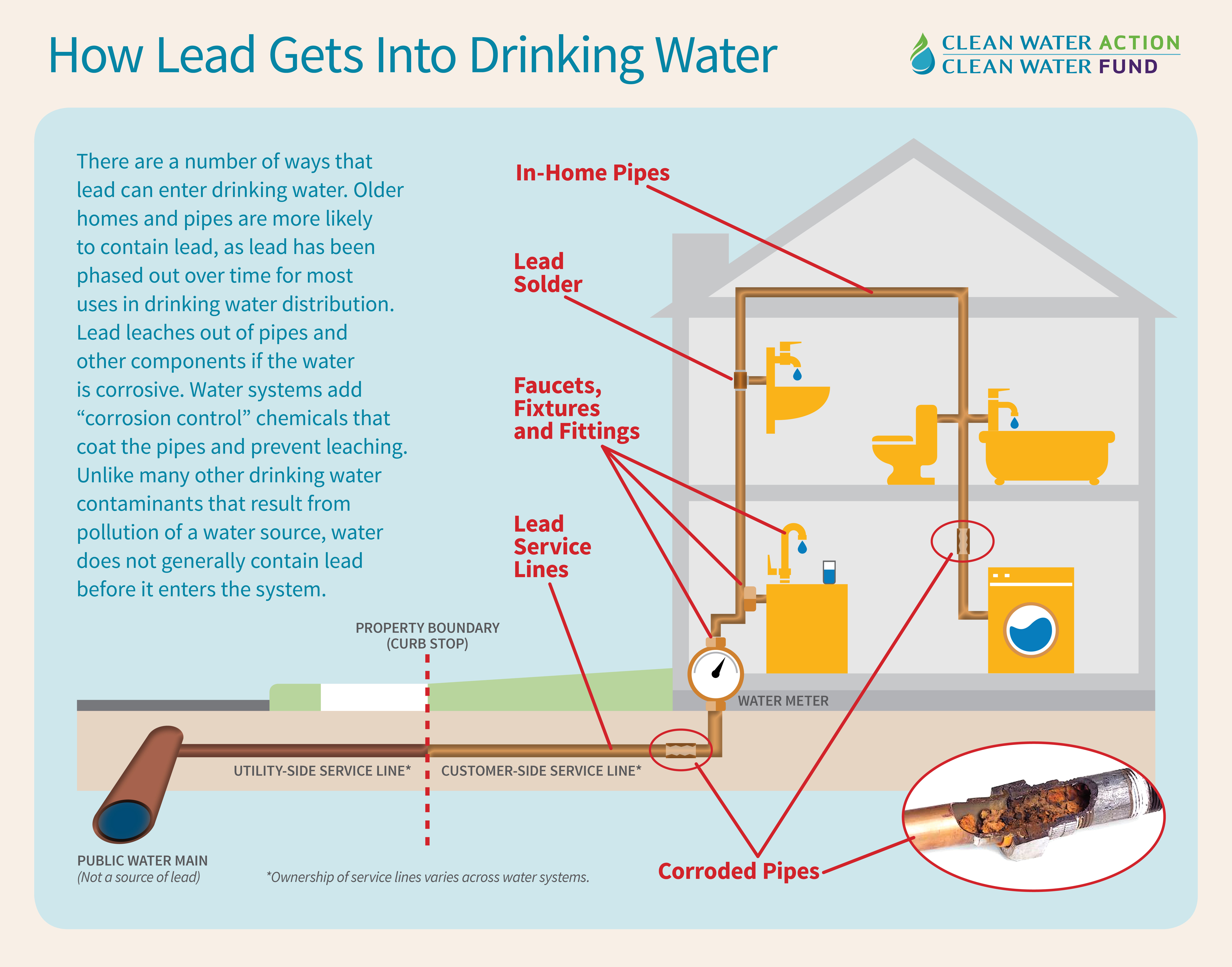
Imagine a time when plumbers thought lead was amazing. It’s soft, easy to bend, and lasts forever—perfect for water pipes, right? Well, not exactly. Many cities and homes built before the 1980s used lead pipes or lead-based solder to join copper pipes together. That’s the original source—the pipe itself.
Here’s the kicker: the water doesn’t immediately grab the lead. It’s more like a slow, chemical romance where the water needs the right mood to pull the metal loose. Acidic or low-mineral water acts like a gentle acid, slowly nibbling at the pipe’s inner surface. Think of it like a soda straw left in a fizzy drink—eventually, tiny bits come off.
Must Read
The Chemistry of Corrosion
Science nerds call this process corrosion, but it’s basically the water’s way of stealing ions from the lead. If the water has low pH (more acidic) or very few dissolved minerals, it gets more aggressive. Ever see a rusted nail? Same idea, except lead doesn’t rust—it dissolves.
And here’s where it gets weirdly cool: sometimes, a natural mineral scale forms inside old lead pipes, like a tiny protective coat. That coat can block the lead from entering the water. But if the water chemistry changes—say, a new treatment plant starts up—that scale can break apart, and bam, lead levels spike.
When Water Sits Still
Lead buildup is heavily influenced by time. Water that sits in a lead pipe for hours—like overnight while you sleep—has more chance to grab lead. That first glass from the tap in the morning? It’s often the most contaminated. Running the faucet for a minute flushes out that stale, lead-picked water.
It’s a bit like a tea bag left too long in hot water—the longer it steeps, the more metal ends up in your cup. Hot water is even worse because heat speeds up the corrosive process. So don’t use hot tap water for cooking or making baby formula—seriously, that’s a big no-no.
 Lead results not easily accessible for Adams Co. residents
Brass Fixtures and Leaded Solder
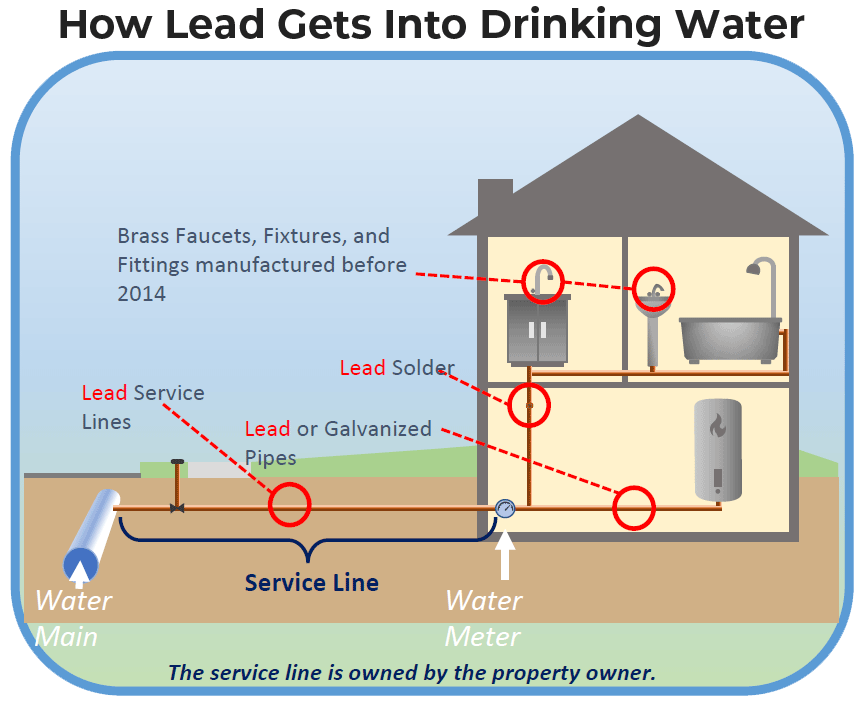
Even if your main pipes are copper, the brass faucets and valves in your home can contain a small percentage of lead. Brass is a zinc-copper alloy, and lead is often added to make it easier to machine. Modern “lead-free” brass is now common, but older fixtures (pre-2014) might still leak trace amounts.
Then there’s solder—that shiny silver stuff that joins pipes together. Before 1986, many plumbers used 50/50 tin-lead solder. Each joint is like a tiny lead reservoir. Water flowing over those joints can pick up particles, especially if the water is acidic.
The Service Line Surprise
Your home might have copper pipes, but the pipe that connects your house to the water main under the street—called the service line—could be made of lead. That’s the most dangerous piece, because it’s buried underground and often forgotten. Utilities don’t always know which homes have lead service lines, since records from the 1950s are often, well, messy.
When city crews dig up old pipes, they sometimes disturb the mineral coating, causing a temporary lead spike. That happened famously in Flint, Michigan, when a switch in water source corroded the old service lines. Suddenly, a sleepy problem became a national crisis.
 Lead Awareness – City of Lincoln, NE
But Wait—Isn’t Lead Uncommon Now?
Yes and no. The US banned lead pipes for new construction in 1986, and Europe banned them even earlier. But 6 to 10 million lead service lines are still in use in the US alone. They’re just sitting there, slowly interacting with the water chemistry.
It’s like a closet full of old electronics—you don’t use them, but they’re still plugged in. The good news? Many cities are replacing these lines, but it takes decades and billions of dollars.
How to Protect Your Glass
So, what’s a curious person to do? First, find out if your pipes are lead (a simple scratch test—if it’s shiny and soft, it might be lead). Second, always run the cold water for 30 seconds before drinking, especially after the tap has been unused for a few hours. And third, use a certified lead-removing filter if you’re concerned.
The journey of lead into water is a slow, invisible, chemistry-driven adventure. It’s not the sexiest topic, but once you get it, you start seeing the world as a network of tiny tunnels, minerals, and time. Pretty rad, right? Now go grab a glass of water—just flush the pipe first.
