What Is Water Softener Regen

Okay, let’s talk about something that sounds like a sci-fi robot throwing a tantrum: water softener regen. It’s short for “regeneration,” and it’s actually your home’s built-i...
Okay, let’s talk about something that sounds like a sci-fi robot throwing a tantrum: water softener regen. It’s short for “regeneration,” and it’s actually your home’s built-in superhero origin story. Think of it as your water softener’s nap time, shower, and power-up session all rolled into one.
If you’ve got hard water—that annoying, scale-building, soap-scum-creating menace—you probably have a water softener. That clever box of resin beads traps all the calcium and magnesium like a bouncer at a club.
But here’s the kicker: those beads get full. They can’t kick out troublemakers forever. When they’re maxed out, your water softener needs to flush the gunk away and recharge. That’s regen.
Must Read
The Magic Behind the Curtain
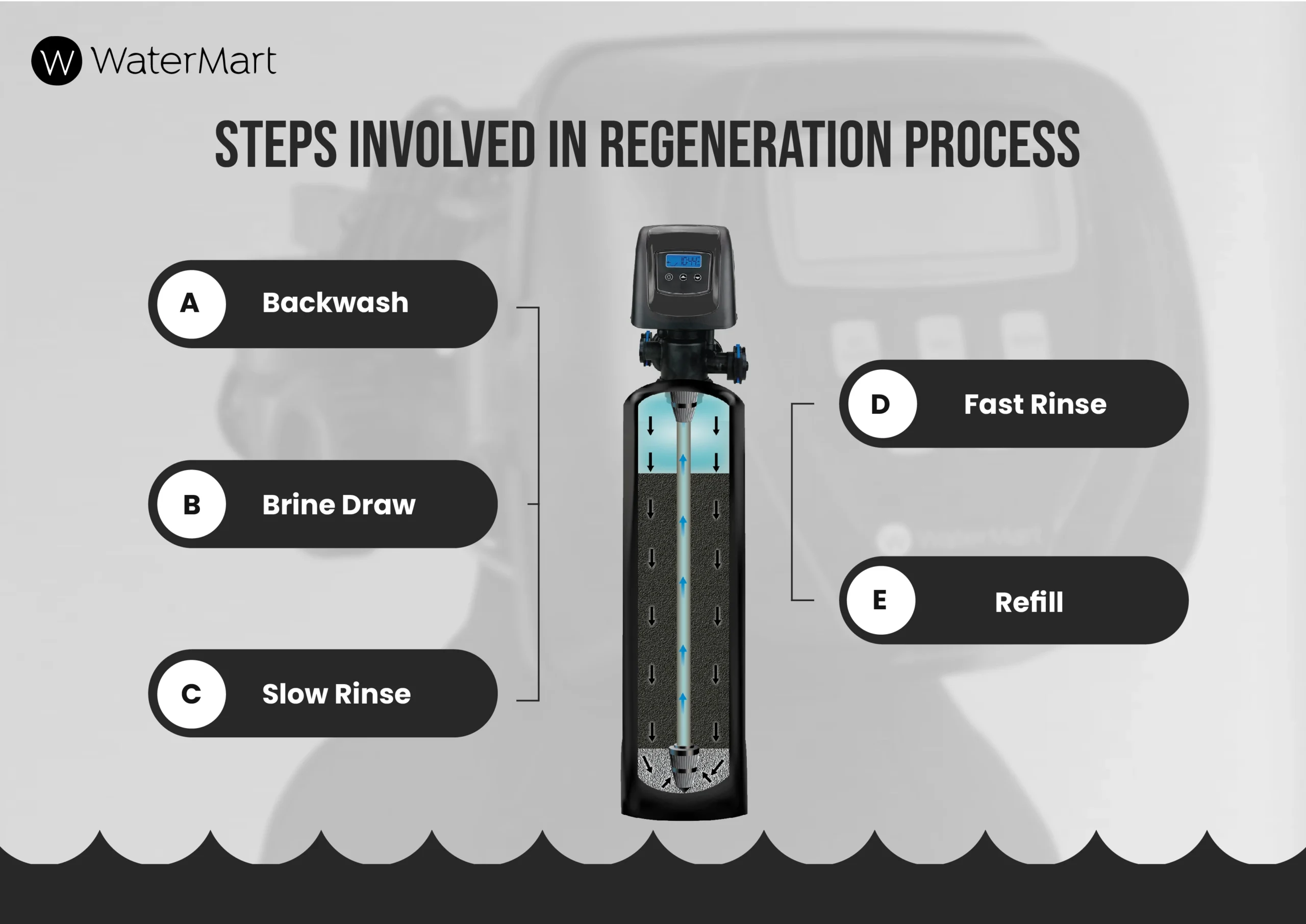
Regeneration is basically a four-step spa day for your resin beads. First, the softener backwashes—it flips the flow and blasts water upward to loosen any crud. Imagine shaking out a dusty rug, but with water and less sneezing.
Next comes the brine draw. The softener sucks up a super salty solution from a separate tank. This salt water is the knight in shining armor that knocks the calcium and magnesium off the beads.
Then there’s the slow rinse, where the beads get a gentle bath in fresh water to wash away all the salt and hard minerals. Finally, a fast rinse finishes the job, and your softener is ready to party again.
Why Should You Care? (Besides Avoiding Scale)
Regen keeps your water soft—which means cleaner dishes, softer laundry, and fewer dollar bills wasted on plumbing repairs. It’s also why your soap lathers up like a dream and your hair doesn’t feel like straw.
Without it, your resin beads would just sit there, grumpy and useless. Your water would turn hard again, and you’d be back to scrubbing white crust off your faucets. No thanks, right?
Pro tip: Most softeners regen automatically at night, like a sneaky elf. If you hear a whooshing or gurgling sound at 2 AM, don’t panic—it’s just your softener doing its thing. (Unless you also hear banjos. Then maybe panic.)
How Often Does This Happen?
It depends on how hard your water is and how many people are in your house. A small household with moderately hard water might regen once a week. A big family with rock-hard water? It could be every day.
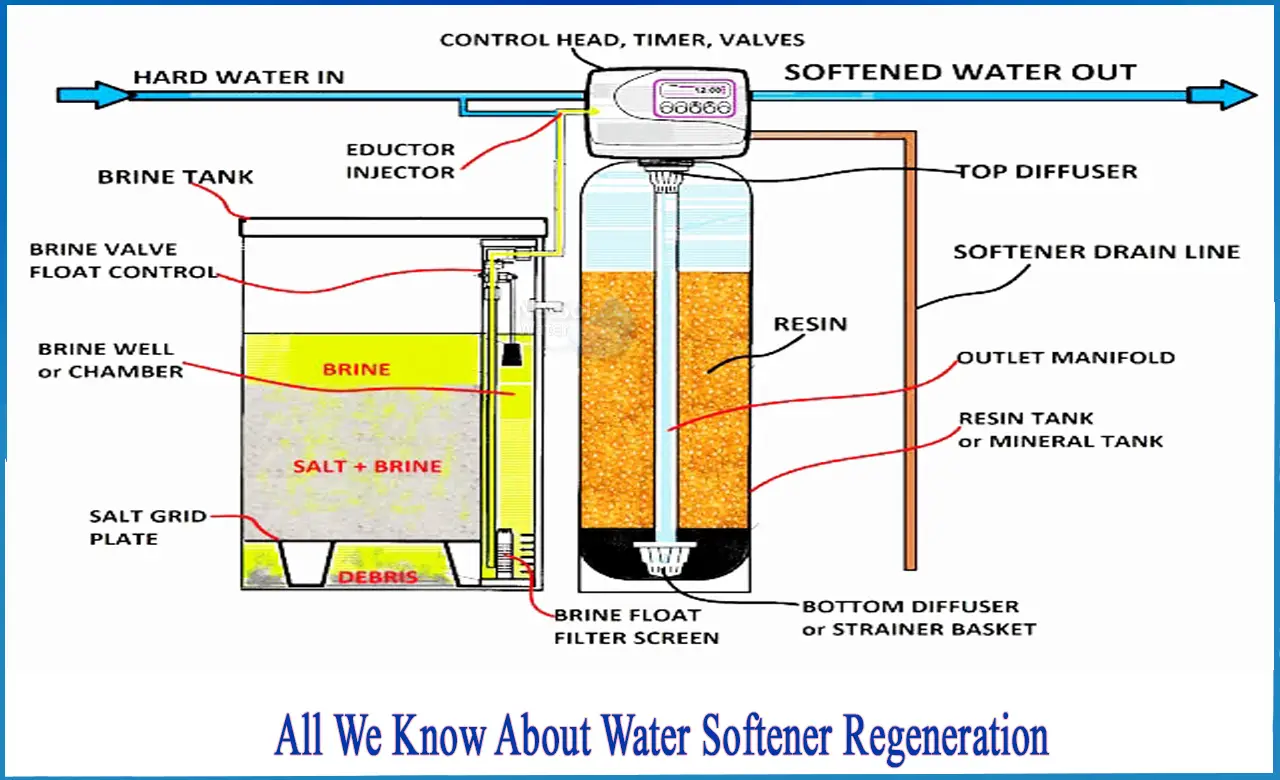 How Long Does It Take To Regenerate A Water Softener | Detroit Chinatown
Your softener has a brain—a little computer timer or a meter that tracks water usage. When it hits the limit, it kicks off regen. You don’t have to do a thing, except maybe refill the salt every few weeks.
If you forget to add salt? Your softener throws a silent pity party. The regen won’t work properly, and you’ll get hard water again. So please, feed your softener its salty snacks.
The Salty Truth
That brine tank is the star of the show. The salt (usually sodium chloride or potassium chloride) mixes with water to create a crazy-strong brine solution. This brine has a chemical superpower: it rips the hard mineral ions off the beads and takes their place.
So the resin beads end up coated in sodium or potassium ions instead of calcium. That sounds weird, but it’s awesome. Those sodium ions are like friendly guests that leave easily, while calcium ions are clingy houseguests who never leave.
In short: regen swaps out the annoying guests for okay ones, then kicks the annoying ones down the drain. You’re basically running a five-star hotel for ions.
Does It Waste Water?
Okay, real talk: yes, regen uses water—usually about 20 to 50 gallons per cycle. That sounds like a lot, but remember—it’s saving you from buying bottled water, replacing water heaters, and dealing with ruined appliances.
Modern softeners are getting smarter. They use “demand-initiated regeneration,” which means they wait until your resin beads are truly tapped out before doing the dance. No wasting water for vanity regens.
 How Much Water Does A Softener Use To Regenerate | Detroit Chinatown
So while regen uses a little H2O, it’s a drop in the bucket compared to the gallons of water you’d waste scrubbing scale off shower doors. Math!
Three Signs Your Regen Is Acting Up
One: Your water feels slippery or metallic. That means the salt bridge is probably blocking the brine tank. (Yes, salt can form a crusty bridge. It’s not a bridge to anywhere fun.)
Two: You see salt clumped up in the tank like a sad snow globe. Unclump it with a broom handle—gently, you’re not fighting a dragon.
Three: Your water gets hard again out of nowhere. Check the timer settings or the meter. Maybe your softener forgot its own schedule—it happens to the best of us.
The Uplifting Conclusion (I Promise)
So there you have it: water softener regen is your home’s secret sauce for soft, joyful water. It’s a little noisy, a little salty, and a whole lot of genius. Your softener works hard so you don’t have to.
Next time you hear that softener hum at midnight, give it a mental high-five. It’s doing the dirty work so you can enjoy a bubble bath that actually bubbles. And isn’t that a beautiful thing?
Remember: life is short. Drink good water, laugh at hard water stains, and always keep your salt bin full. Because a happy softener means a happy home—and maybe even a happy dance in the shower. You’ve got this.
