What Is Regen Water Softener

So, you’ve heard the term “regeneration” and your mind immediately went to a sci-fi movie, right? A shimmering alien puddle that can rebuild itself? Close, but not quite. Toda...
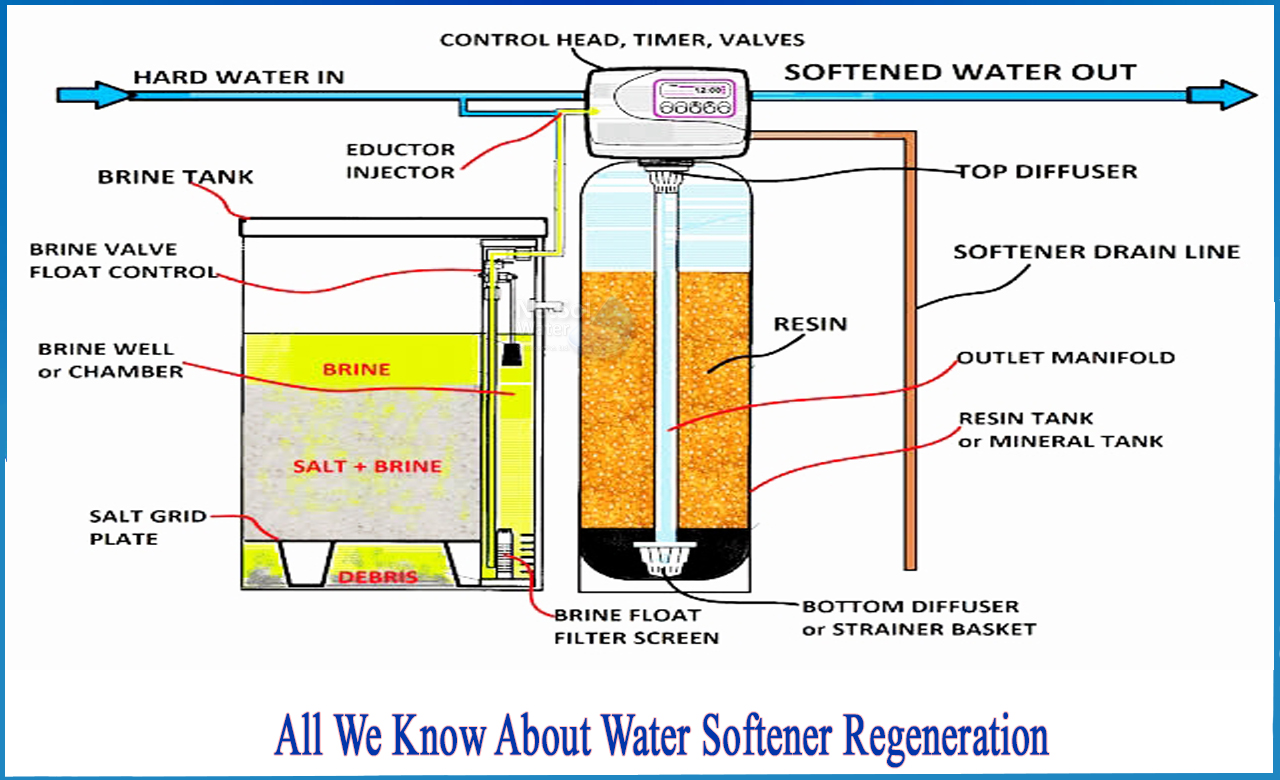
So, you’ve heard the term “regeneration” and your mind immediately went to a sci-fi movie, right? A shimmering alien puddle that can rebuild itself? Close, but not quite. Today, we’re talking about your humble home water softener, specifically the regen kind. And honestly? It’s a bit of a magic trick for your plumbing.
What the Heck Is a Water Softener?
First, picture hard water—that’s tap water packed with calcium and magnesium. It’s like having tiny, invisible rocks floating in your glass. These rocks leave white scale on your faucets, make your soap refuse to lather, and can even gunk up your pipes.
A water softener is the hero that snatches those rocks out of the water. It swaps them for sodium or potassium ions, giving you that silky, “soft” water you feel in hotels. But here’s the kicker: the softener’s magical resin beads can only hold so many rocks before they get full.
Must Read
Enter: The Regeneration Cycle
This is where the “regen” part comes in, and it’s way cooler than it sounds. Regeneration is the self-cleaning process that flushes the trapped minerals away. Think of it like your dishwasher’s “clean” cycle, but for a tank that removes gunk instead of scrubbing plates.
During regen, the softener dumps a salty brine solution over the resin beads. This brine is like a bouncer at a club—it physically kicks the calcium and magnesium off the beads and flushes them down the drain. After that, the beads are fresh, hungry, and ready to soften your water all over again.
Why Should You Care About Regen?
Here’s the chill part: modern regen softeners are smart. The older ones just ran on a timer, regenerating every few days whether you needed it or not. That was like washing your car every Tuesday even if it hadn’t rained—wasteful, right?
Today’s coolest models use demand-initiated regeneration. They have a tiny computer that measures your actual water usage. It waits until the resin is truly exhausted, then regenerates only when necessary. This saves water, salt, and your electric bill—a win-win-win.
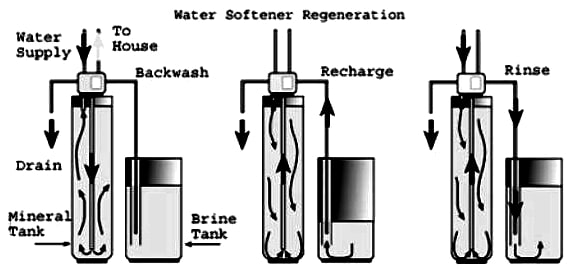 Water Softener Regeneration Process: Frequency & Problems
Fun Comparisons to Make It Stick
Think of a regen softener like a smart toilet that flushes itself only after you’ve used it. Or imagine a little robot janitor living in your basement, quietly sweeping out the dirt when nobody’s home. The process can last 30 to 90 minutes, and it usually happens in the dead of night—while you’re dreaming of fluffy towels.
Another analogy? It’s like your coffee maker running a descaling cycle, but automatic. Without regen, your water softener would just become a hard, useless brick of mineral deposits. The regen keeps it alive.
Is It Actually Interesting?
Honestly? Yes, because regen softeners change your daily vibe. You know that squeaky-clean feeling after a shower with soft water? That’s because the soap actually lathers and rinses off completely. Your dishes come out spot-free. Your clothes feel softer, and your hair doesn’t feel like straw.
Plus, think about your appliances. Hard water scales up your water heater, making it work harder and die younger. By removing that scale, a regen softener can extend the life of your washing machine, dishwasher, and even your coffee maker. It’s like giving your house a spa day.
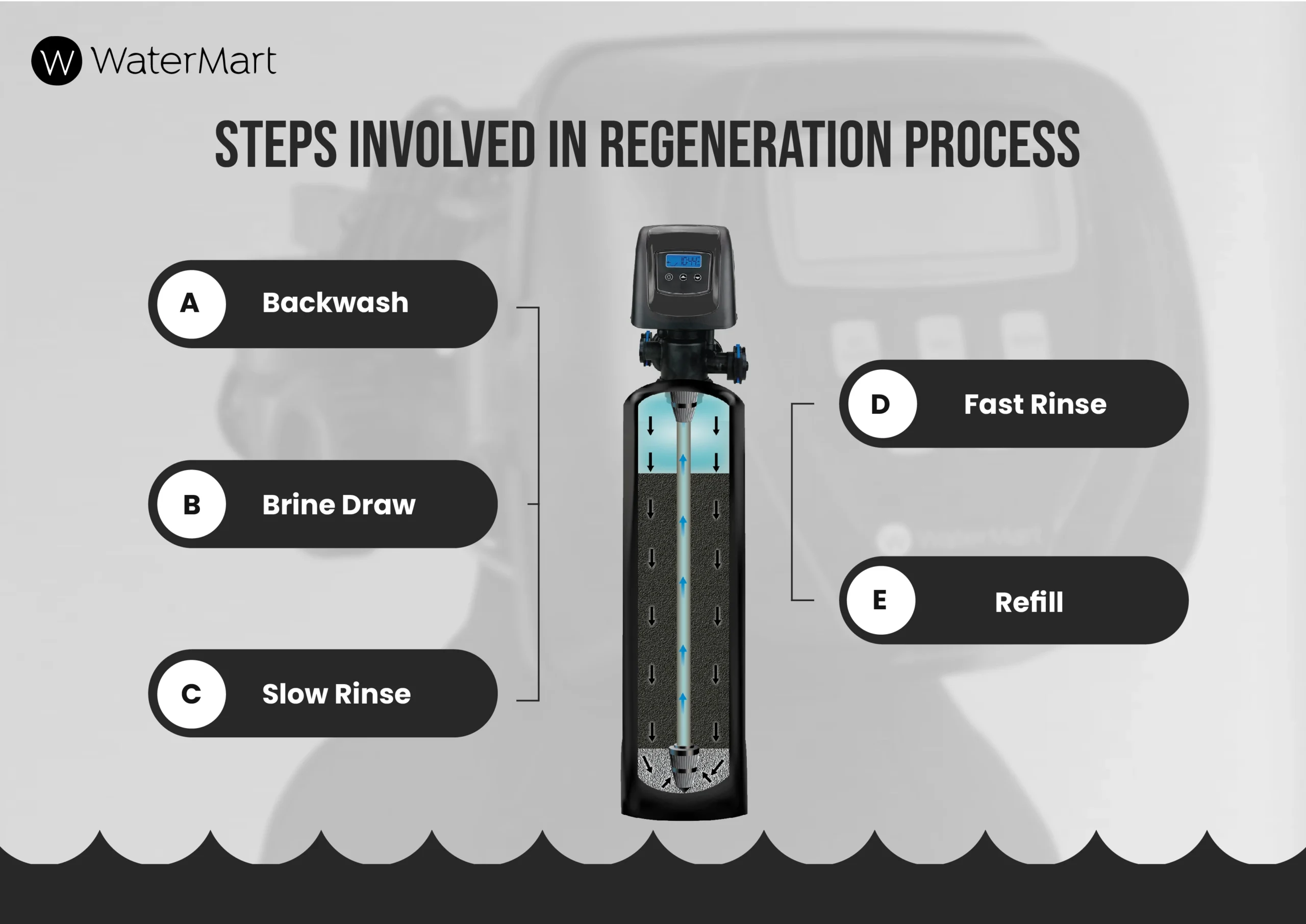 What Is Water Softener Regeneration - Process And Its Types
But Isn’t Salt Gross?
A lot of people worry about the extra sodium in their drinking water. Relax—the amount is tiny, usually less than a slice of bread. If that still bothers you, you can use potassium chloride instead of salt. It’s pricier, but your plants and kidneys won’t notice the difference.
Also, the brine discharged during regen is heavily diluted and generally safe for septic systems. Just don’t drink the sludge that comes out—gross.
The Bottom Line (Chill Version)
So, a regen water softener isn’t some complicated gadget from a lab. It’s a self-refreshing buddy that keeps your water silky and your pipes happy. It’s a little cycle of salt, water, and clever timing that happens while you sleep.
Next time you take a shower and get that luxurious lather, remember: a tiny regen party went down in your basement to make it possible. And that’s pretty cool, right?
