How To Test For Pfas In Soil

So, picture this: I’m in my backyard, acting like a DIY detective, holding a trowel and a jar like I’m about to bottle a ghost. I’d just watched a documentary about PFAS—you k...
So, picture this: I’m in my backyard, acting like a DIY detective, holding a trowel and a jar like I’m about to bottle a ghost. I’d just watched a documentary about PFAS—you know, those “forever chemicals”—and suddenly my little veggie patch felt less like Eden and more like a Superfund site.
Turns out, I wasn’t alone in my paranoia. A neighbor mentioned her well water, and the next thing I know, we’re both staring at a clump of dirt like it might confess its sins. That’s when I realized: testing soil for PFAS isn’t just for scientists in hazmat suits—it’s for anyone who wants to know what’s really under their feet. (And yes, that includes you, casual gardener.)
First things first: why are you even testing?
Let’s get real—PFAS are everywhere, from non-stick pans to rain jackets, and they don’t break down. If you live near an airport, a military base, or a landfill, your soil might be hosting a chemical party you didn’t invite.
Must Read
But before you panic-buy a full lab kit, ask yourself: am I growing food here? If you’re just planting petunias, you can chill out a bit. But if you’re raising carrots or lettuces, well, those root veggies are like little chemical sponges.
So, step one: identify your risk level. Check environmental maps online—most states have public data on PFAS hotspots. (Pro tip: it’s less scary than Googling your own symptoms, I promise.)
Option A: The “I’m a pro” route (lab testing)
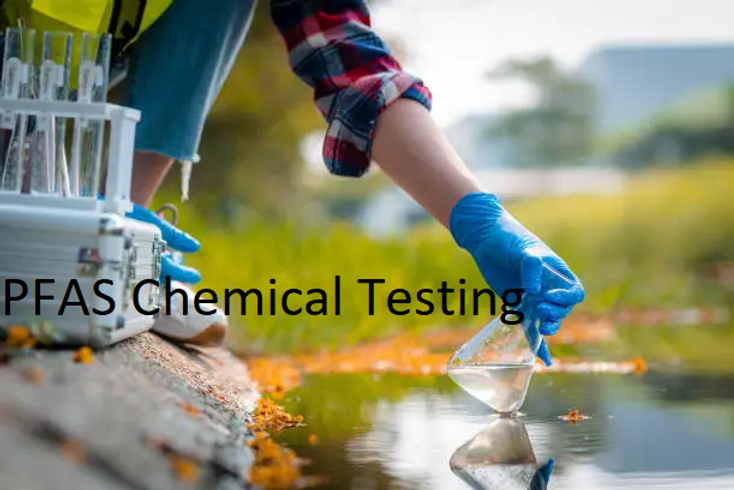
Here’s the thing: you can’t just sniff dirt and guess PFAS levels. This isn’t a wine tasting. The gold standard is sending a sample to a certified lab. Companies like Eurofins or TestAmerica will take your dirt and give you a report that looks like a chemistry final.
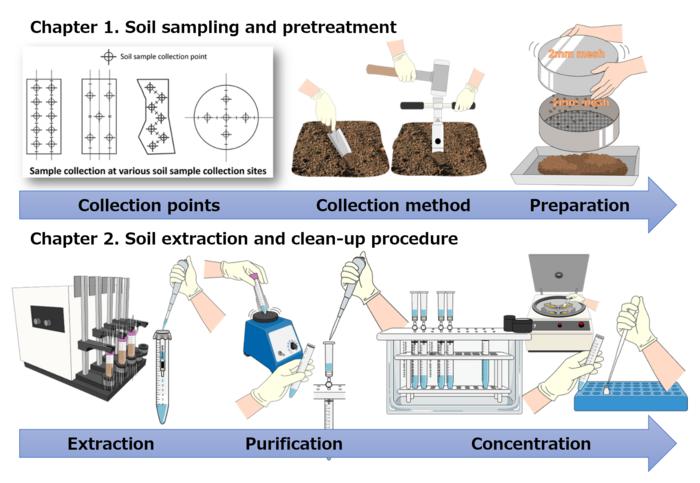
But fair warning: this method costs a few hundred bucks—and you’ll need to follow their collection rules. Use a stainless steel spoon (no plastic!), store it in a glass jar, and ship it overnight on ice. Yes, really.
Think of it as soil spa treatment: you’re sending it away for a full body scan. The results will list specific PFAS compounds like PFOA, PFOS, and GenX—the VIP list of “forever” guests you don’t want at your garden party.
 Understanding PFAS Testing: What You Need to Know
Option B: The “I’m curious but cheap” route (quick screening)
Okay, so you’re not ready to spend $300 on dirt. Fair enough. There are DIY test kits from places like SimpleLab or Tap Score that do a rough check. They’re not as accurate as a lab, but they’ll give you a “probable yes” or “likely no.”
You basically mix your soil with a provided solution and watch for a color change. It’s like a pregnancy test for your garden, minus the emotional rollercoaster. (Though if it turns pink, you might feel a different kind of panic.)
Just remember: these kits test for total PFAS, not individual compounds. So you’ll know if something’s off, but not exactly what is off. Think of it as a smoke alarm, not a fire report.
The ugly (but real) part: interpretation
Even after you get results, you might stare at them like a cat watching a laser pointer. Labs use parts per billion (ppb) or parts per trillion (ppt). For context: 1 ppt is like one drop of water in 20 Olympic-sized swimming pools. Freaky, right?
Regulatory limits vary wildly. Some states say soil is safe at 20 ppb PFOS; others say 2 ppb is too high. What a mess. So, do yourself a favor: call your local extension office or an environmental consultant. They translate “ppt” into “plant your tomatoes elsewhere.”
 New method can analyse forever chemicals in soil
And hey—if your soil comes back high, don’t immediately sell your house. You can still grow things in raised beds with imported clean soil. Just don’t eat the dirt. (I mean, you weren’t going to, right?)
The side note you didn’t ask for (but need)
One weird trick: never dry your soil sample in an oven. I know, it sounds logical, but heat can vaporize PFAS or mess with their structure. Just air-dry it in the shade for a day. (And no, you can’t microwave it—I tried that, and my microwave now smells like a chemistry experiment.)
Also, store your sample in glass or stainless steel. Plastic containers can leach their own PFAS into the dirt, giving you a false positive. It’s like sending a urine sample in a soda bottle—you’re asking for trouble.
The bottom line? Test smart, not scared.
Look, PFAS are a headache, but knowledge is your best fertilizer. Whether you go full lab or just do a quick home test, you’re taking control. That’s more than most people do—most folks just hope their soil is innocent until proven guilty.
So, grab your trowel, pick a spot, and send that dirt off for its 15 minutes of fame. And if you end up with clean soil? Throw a tiny party for your earthworms. They deserve it.
