How To Test For Pfas At Home

Picture this: you’re scrolling through your feed, latte in hand, when another headline about “forever chemicals” pops up. PFAS—per- and polyfluoroalkyl substances—are everywhe...
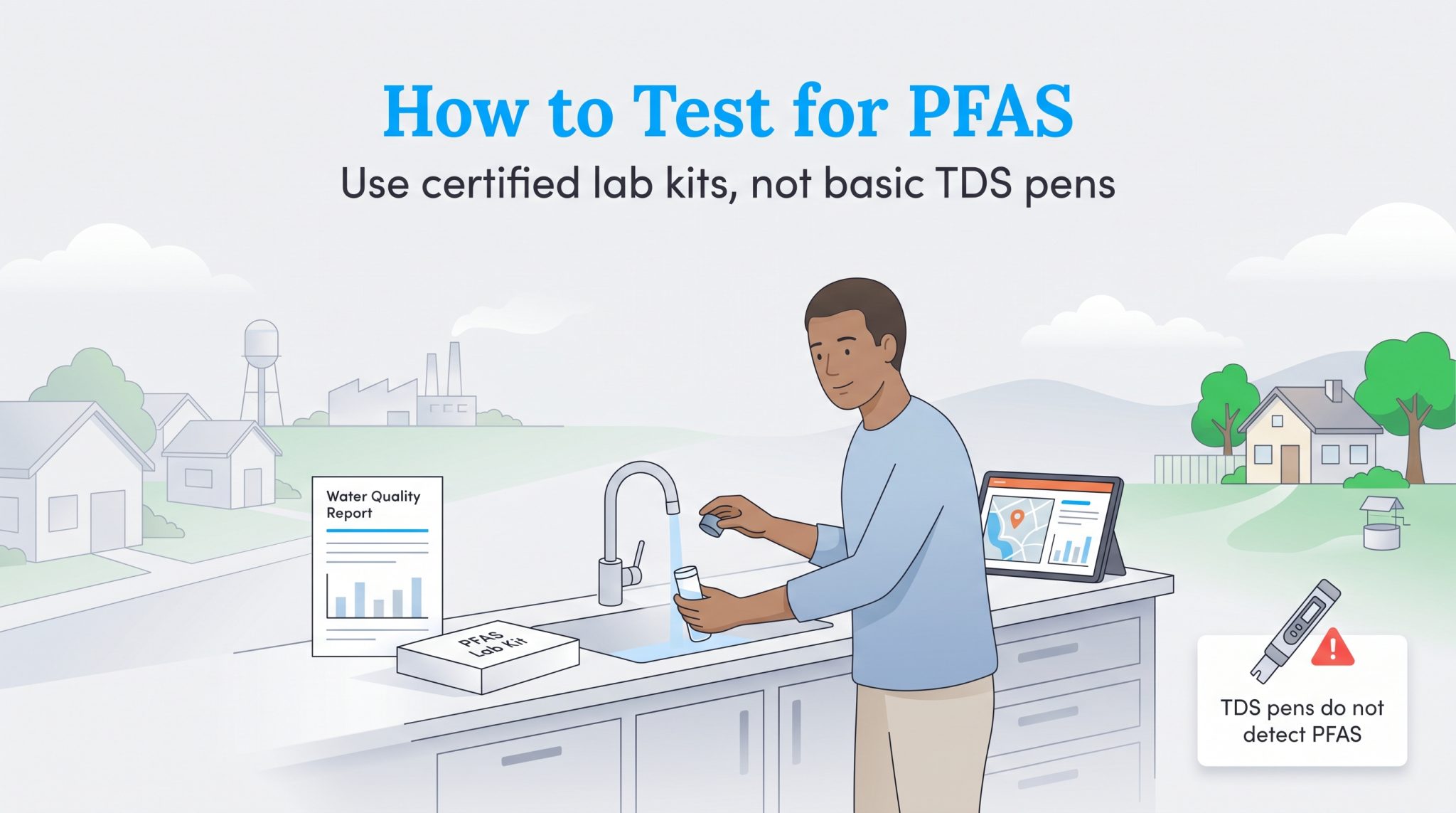
Picture this: you’re scrolling through your feed, latte in hand, when another headline about “forever chemicals” pops up. PFAS—per- and polyfluoroalkyl substances—are everywhere, from your non-stick pan to your rain jacket, and even your tap water. But before you spiral into a doom-scroll, take a breath. The good news? You can test for PFAS at home without a chemistry degree, and it’s surprisingly simple.
First, a quick reality check: PFAS are called “forever chemicals” because they don’t break down in the environment. They’ve been linked to everything from thyroid issues to immune system hiccups. But here’s the fun fact: your grandma’s Teflon pan from the 80s? That’s the old-school PFAS. Modern versions are slightly less scary, but still worth knowing about. Think of this like checking the label on your oat milk—a little awareness goes a long way.
Step One: Gather Your Gear
You don’t need a lab coat or beakers. Order a home water test kit from a certified lab like Tap Score or SimpleLab. These kits cost about $200–$300, which is less than a week’s worth of artisanal cold brew. Most come with a sterile bottle, ice packs, and a prepaid return label. It’s like a subscription box, but for your H2O’s dirty secrets.
Must Read
Pro tip: check if your local utility has free testing programs. Some cities, especially near military bases or industrial sites, offer discounted kits. You might save a few bucks—and that’s more cash for avocados.
Sample Like a Pro
Collect water from your kitchen tap, not the filtered pitcher. Let it run cold for a few minutes to get a fresh sample. Don’t touch the inside of the bottle cap—those oils from your fingers can mess with results. Fill it to the line, seal it tight, and ship it back within 24 hours, keeping it cold. Think of it as a smoothie prep: fast, cold, and not too fussy.
Here’s a wild stat: over 200 million Americans have PFAS in their drinking water, according to the EPA. That’s more than the number of people who’ve watched Friends reruns. But don’t panic—knowledge is power, and a test turns you from a passive sipper into an informed consumer.
 How to Test Your Home for PFAS (Before Suing)
What About Your Cookware and Clothes?
Water isn’t the only culprit. Your non-stick pans, waterproof jackets, and even pizza boxes can harbor PFAS. To test your gear, grab a PFAS detection swipe (yes, that’s a thing). Brands like Green Science Policy Institute sell simple swabs for fabric and surfaces. Just rub the swab on your frying pan or raincoat, and mail it in. It’s like a COVID test, but for your leggings.
Fun fact: the Gore-Tex in your hiking boots once used PFAS, but many brands have phased them out. Check for labels like “PFA-free” or “C0” (zero fluorocarbons). If your jacket still smells like rain, it’s probably fine. But if it has that 1990s “new plastic” scent, you might want to swab it.
The Results Are In—Now What?
Your test results will arrive in a PDF, usually within two weeks. Look for total PFAS levels: under 10 parts per trillion (ppt) is ideal, per some health advisories. Anything above 70 ppt is a yellow flag. If your water hits that range, switch to a granular activated carbon filter or reverse osmosis system. Think of it as upgrading your home from dial-up to fiber optic—cleaner, faster, and less toxic.
For cookware, swap non-stick for cast iron or stainless steel. Yes, you’ll need a little more oil for your eggs, but that’s just an excuse to buy fancy olive oil. And for clothes? Wash them less often, or choose untreated fabrics like cotton or wool. Raincoats made with PFC-free DWR (durable water repellent) exist—Patagonia and REI sell them. It’s like wearing a subtle flex for planet Earth.
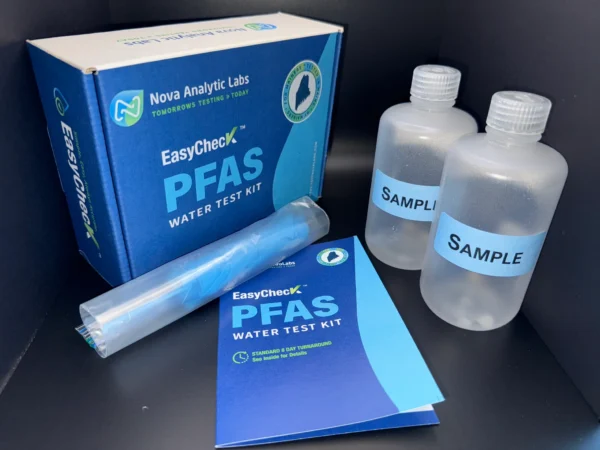 PFAS EasyCheck™ Home Test Kit - Nova EnviroLabs
The Cultural Vibe Check
Testing for PFAS is the new “I only drink alkaline water” flex—but with more science. It’s straddling that line between health nerd and eco-chic. Remember when everyone was obsessed with BPA-free bottles? This is that, but bigger. You can now host a “PFAS testing party” with your friends: bring water samples, compare results, and bond over shared paranoia. It’s the book club for the age of microplastics.
One more sips of trivia: PFAS were accidentally invented in 1938 by a DuPont chemist named Roy Plunkett. He was trying to make a refrigerant and got a weird slippery goo instead. Today, that goo is in your dental floss. The universe has a sense of humor, right?
Your Daily Life Connection
Here’s the thing: you don’t need to test everything. Start with your water—it’s the most impactful. Then test your favorite non-stick pan if it’s older than your Spotify playlist. The goal isn’t perfection; it’s reducing exposure one swap at a time. Think of it as Marie Kondo for your chemicals: keep what brings you clean joy, and thank the rest for its service.
In the end, testing for PFAS at home is a small, empowering act. It’s not about fear—it’s about taking the driver’s seat in your own health story. So grab a kit, run that tap, and treat yourself to a glass of water afterward. You deserve clarity, in both your data and your drink.
