How To Measure Your Ph Level

So, you want to measure your pH level. That’s like asking your body what kind of chemical party it’s throwing right now. Are we talking a mellow, neutral soiree, or are we vee...
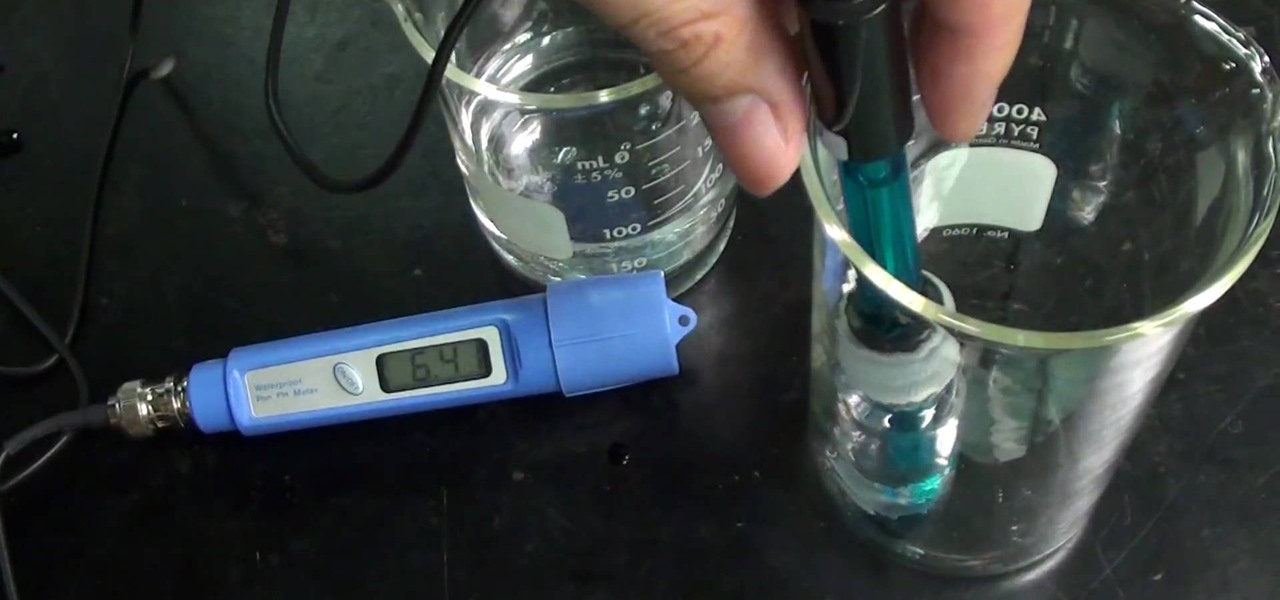
So, you want to measure your pH level. That’s like asking your body what kind of chemical party it’s throwing right now. Are we talking a mellow, neutral soiree, or are we veering into battery-acid territory? Spoiler alert: it’s probably fine, but let’s pretend it’s a mystery you need to solve with a little science and a lot of flair.
What the Heck is pH?
pH stands for “potential of Hydrogen,” which sounds like a superhero origin story. In simpler terms, it’s a scale from 0 to 14 that measures how acidic or alkaline something is. Zero is pure evil (think stomach acid), 7 is your boring friend (pure water), and 14 is soap so strong it could dissolve a bad decision.
Your body is a control freak about this number. Your blood likes to hang out at a cozy 7.35 to 7.45—a tight range that’s more high-maintenance than a celebrity’s dressing room. If it drifts too far, you’re in trouble. But don’t worry, your urine and saliva? They’re the freelance artists of the pH world—allowed to be a bit wild.
Must Read
Why Should You Care?
Because influencers with expensive blenders tell you that “alkaline water” will turn you into a glowing, stress-free billionaire. Truth bomb: your stomach acid is so powerful (pH 1.5–3.5) that it could neutralize a swimming pool of alkaline water before it even hits your intestines. But measuring your pH is still fun—like checking your horoscope with science.
It can also give you clues about your diet. If your urine is consistently pH 5.0, you’ve been eating like a raccoon who raided a steakhouse and a donut shop. Not a judgment—just a fact.
Get Your Gear On
You’ll need pH test strips. They look like tiny, passive-aggressive ruler fragments. You can buy them online or at a pharmacy for about the price of a latte. Do not use a pool testing kit unless you enjoy tasting chlorine and regret.
You also need a small cup or your hand. Pro tip: choose the cup if you value dignity. And a timer—because staring at a little strip of paper for 15 seconds feels like watching paint dry in a nuclear winter.
Step 1: Spit or Pee?
Two main methods: saliva or urine. Saliva is for the brave who want to test immediately after waking up, before you’ve even cursed your alarm clock. Spit onto a clean spoon, dip the strip, and wait. Saliva pH tends to fluctuate—it’s the mood ring of your body’s fluids.
 Ph Reading Chart: How To Measure Ph Values – KBQYM
Urine is more popular because it’s less “ew” and more “biological data collection.” Just make sure you’re not testing your morning pee right away that first batch is concentrated and will give you a dramatic reading that belongs on reality TV. Test your second pee of the day for a calmer result.
Step 2: The Dreaded Dip
Take one strip. Do not wet both ends unless you want a reading that says “confused.” Dip the absorbent pad into your sample for 1–2 seconds. Then pull it out, shake off the excess like a dog after a bath, and hold it up to the light.
Now you wait. The strip will change color. It might turn yellow (acidic), green (neutral), or blue (alkaline). This is the moment you realize you’ve become a witch reading a potion. Congratulations.
Step 3: Compare Your Weird Color
Hold the strip next to the color chart that came with the kit. If it matches “lemon juice,” you’re acidic. If it matches “hulk’s tears,” you’re alkaline. If it matches “old oatmeal,” you might be using expired strips—or you need to drink more water.
Write down your number. Then do it again tomorrow. And the next day. One reading is like one selfie—it catches you on a weird day of fluctuating acid from that third cup of coffee.
 PPT - pH and Buffers PowerPoint Presentation, free download - ID:2948821
Surprising Facts to Scare Your Friends
Your stomach acid is strong enough to dissolve a razor blade. Not a joke. The pH of gastric juice is about 1.5, while a razor blade’s steel needs pH 0 to 1 to dissolve. So, close, but please don’t test this. Also, your pee is not supposed to be neutral. It’s normally slightly acidic (pH 6.0), because your body is constantly dumping acids from metabolism. If your urine is pH 8.0, you might be eating too many green powders or have a urinary tract infection—which is less fun than it sounds.
What Does Your Number Mean?
If your saliva pH is consistently between 6.5 and 7.5, you’re basically a healthy human. If it’s under 5.5, your mouth is a party for cavity-causing bacteria—go brush your teeth, you beautiful disaster. If it’s over 8.0, you might be breathing too fast from panic about measuring your pH.
Urine is more forgiving. A range of 4.6 to 8.0 is normal. But if you’re always at 5.0, your diet is full of meat, cheese, and existential dread. If you’re at 7.5, you’re basically a kale smoothie with legs.
The Final Verdict
Don’t obsess. Your body has built-in pH regulators that are smarter than any internet guru. Your lungs and kidneys work 24/7 to keep your blood pH perfect. Measuring your pee is like checking your car’s tire pressure with a toothpick—it gives you a hint, but it’s not the whole story.
Still, it’s an interesting, slightly ridiculous experiment. You are now a citizen scientist. Next step: measure your pet’s pH for kicks. Just don’t use the same strips.
Now go drink some water. Your pH is probably fine. But if it isn’t, at least you can blame the test strips.
