How To Refill Water Softener

Let’s be honest—refilling a water softener sounds like a chore you’d rather ignore, like cleaning the gutters or folding fitted sheets. But trust me, it’s way easier than you...
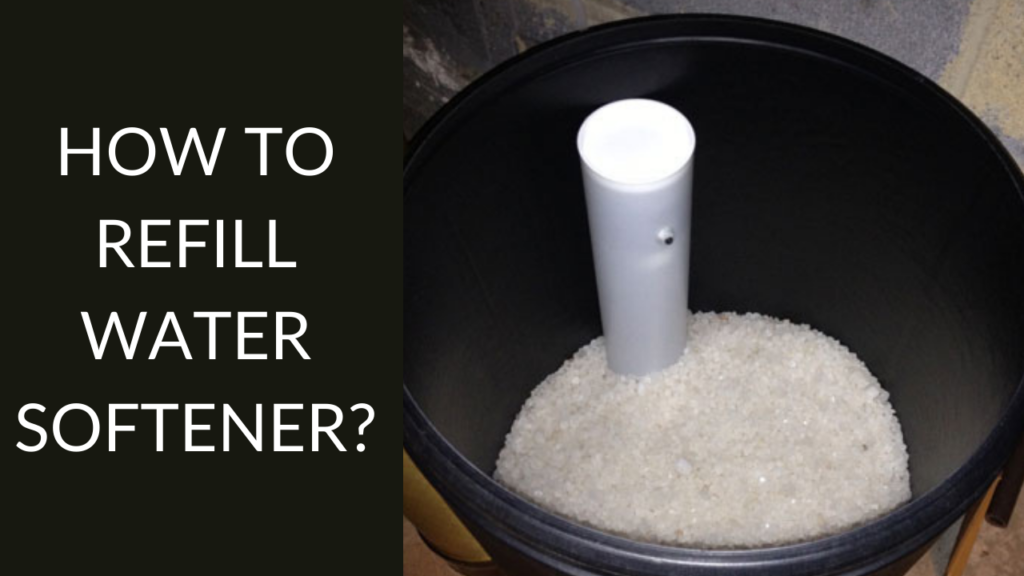
Let’s be honest—refilling a water softener sounds like a chore you’d rather ignore, like cleaning the gutters or folding fitted sheets. But trust me, it’s way easier than you think, and the payoff is huge. You know that squeaky-clean feeling after a shower, the one that makes your skin feel like silk? That’s your softener working its magic.
Why You Should Even Bother
Imagine your water is like a grumpy old sponge—it collects minerals like calcium and magnesium, leaving crusty white deposits on your faucets and making your soap refuse to lather. A water softener grabs those minerals and swaps them for nice, helpful sodium ions. Without it, your dishwasher starts looking like a chalky ghost town.
Plus, hard water is brutal on your pipes and appliances. That coffee maker you love? It’ll die a slow, lime-scaled death if you ignore your softener. So, caring for it isn’t just about sparkly glasses—it’s about saving your money and your sanity.
Must Read
What You’ll Need (No Engineering Degree Required)
First, grab a bag of water softener salt—it’s usually at the hardware store or grocery aisle, and it costs about the same as a nice takeout dinner. You’ll also need a flashlight (to peek inside the brine tank) and a sense of adventure. That’s it. No tools, no gloves, no special skills.
The brine tank is the big, plastic cylinder next to your water softener—usually white or beige, and it might have a lid that screws or snaps off. Lift it gently, like you’re opening a treasure chest, because you’re about to fill it with salty gold.
Step-by-Step: The No-Sweat Guide
1. Check the Salt Level
Peek inside the tank with your flashlight. The salt should be at least halfway full—anything below that and it’s time to refill. If you see a crusty, solid mass at the top (called a “salt bridge”), don’t panic—just knock it gently with a broom handle to break it up.
Pro tip: Don’t let it get too low, or the softener will start letting hard water through, and you’ll blame your fancy shampoo for that sticky hair feel. I’ve been there—it’s not pretty.
 Hard Water Problems? How a Water Softener Can Save Your Home & Wallet
2. Pour in the Salt
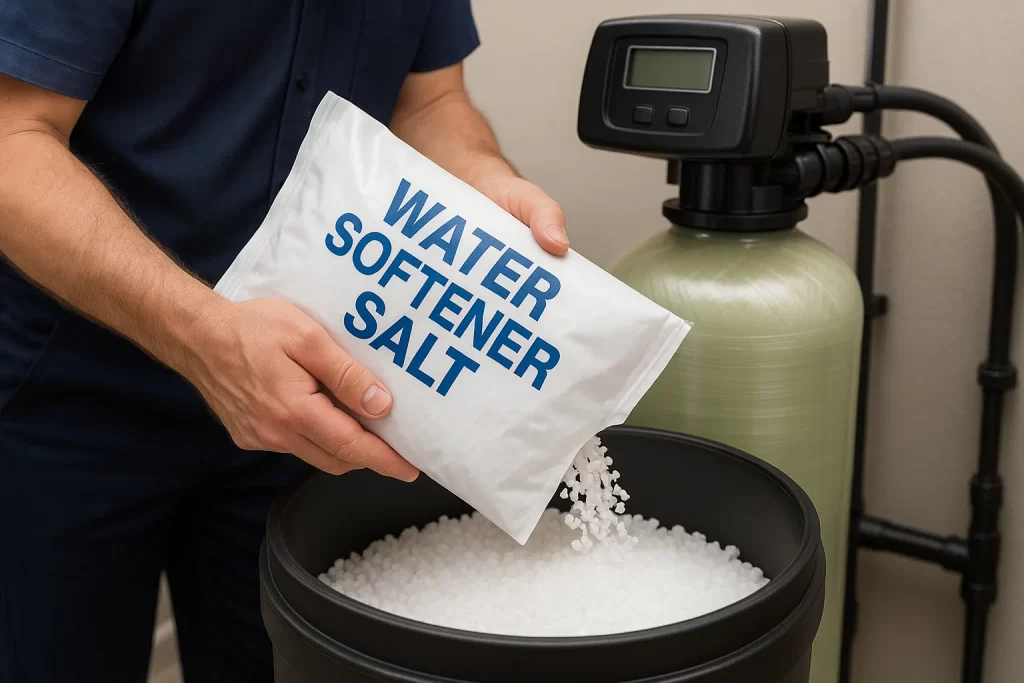
Open a bag of salt and pour it slowly into the tank. You don’t need to fill it to the brim—about three-quarters full is perfect, leaving space for the water to dissolve it. Imagine you’re making a giant, salty snow cone, but for your water’s health.
If you spill a few crystals on the floor, just sweep them up later—your dog might sniff them, but they’re harmless. Don’t stress about perfection; the softener is forgiving.
3. Replace the Lid
Snap or screw the lid back on tight—nobody wants salty dust floating around your laundry room. Then, wipe your hands on your jeans and give yourself a mental high-five. You just saved your plumbing from a slow, miserable death.
That’s it. Seriously. You’re done. The whole process takes about five minutes, tops, and you won’t even break a sweat.
When to Do It (The “Oops, I Forgot” Method)
Most people refill their softener once a month, especially if you have a family of four. But if you’re like me and you forget dates, just set a reminder on your phone that says “Salt time!” with a silly emoji. Your water will thank you when your shower feels like a spa.
 Water Softener Refill Cycle : How To Fill And Regenerate Your Water
Another clue: if your dishes come out with spots or your skin feels dry, it’s time to check the tank. Think of it as your water giving you a gentle nudge. I once ignored these signs for two months—let me tell you, wrestling with a coffee maker full of scale is a low moment in adulting.
A Little Story to Make You Smile
Last winter, my neighbor Jenna called me in panic: “My softener is making a weird gurgling sound, and I think it’s dying!” I walked over, lifted the lid, and saw the tank was completely empty—it was just sucking air like a sad straw. We refilled it together in under three minutes, and she laughed so hard she almost cried.
Now she keeps a spare bag of salt in her garage and calls it her “plumbing insurance.” The moral? Most water softener troubles are just a salt shortage in disguise. You don’t need to be a handyman—you just need to know how to pour.
Final Thoughts (Warm and Fuzzy)
Refilling your water softener is one of those small tasks that makes your whole home run smoother, like changing a lightbulb or feeding a pet. It’s quick, cheap, and deeply satisfying when you see that silky water flow again. Plus, it’s a tiny victory you can brag about at dinner: “I just saved my dishwasher from a crusty fate.”
So go ahead, grab a bag of salt, and treat your softener like the unsung hero it is. Your skin, your pipes, and your morning coffee will send you a heartfelt thank-you. And honestly? You deserve that cozy feeling of a job well done.
