How To Shock Your Well Water

So, you’re thinking about shocking your well water. Sounds like something from a sci-fi movie, right? Actually, it’s way more down-to-earth—and way more important—than that. W...
So, you’re thinking about shocking your well water. Sounds like something from a sci-fi movie, right? Actually, it’s way more down-to-earth—and way more important—than that.
We’re talking about chlorination, or “shock chlorination.” It’s basically giving your well a deep, powerful scrub to kill bacteria, algae, and other nasties that might have wandered in. Think of it like a supercharged spa day for your drinking water.
Why would you even need to do this?
Maybe you noticed a funky smell, or a weird taste in your morning coffee. Or perhaps your water tests showed a few unwelcome guests, like coliform bacteria.
Must Read
Maybe you just had work done on your well pump, or a flood splashed mud near the casing. Any disturbance can let creepy-crawlies into your water supply. Shocking is your reset button.
It’s not a daily chore—think of it as emergency maintenance. You only do it when something goes wrong, or after a major event like a construction project.
Alright, so how do you actually shock a well?
First things first: you need chlorine. Not the fancy scented stuff—just plain, unscented liquid household bleach (like Clorox). Make sure it doesn’t have any added perfumes or thickeners.
How much? That depends on your well’s depth and the water level. A rough rule is about one gallon of bleach per 100 feet of standing water. But check your well records or ask a pro if you’re unsure.
Next, turn off your water pump to the house. You don’t want bleach flowing into your pipes yet—you want it to concentrate in the well first.
The actual shocking part
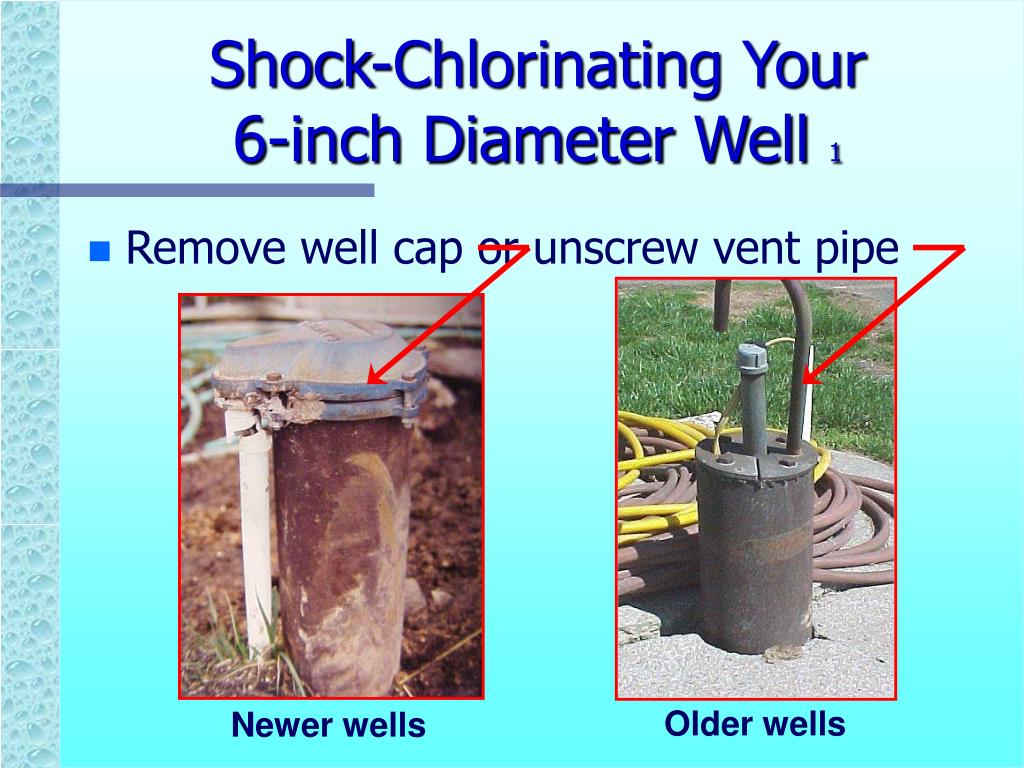
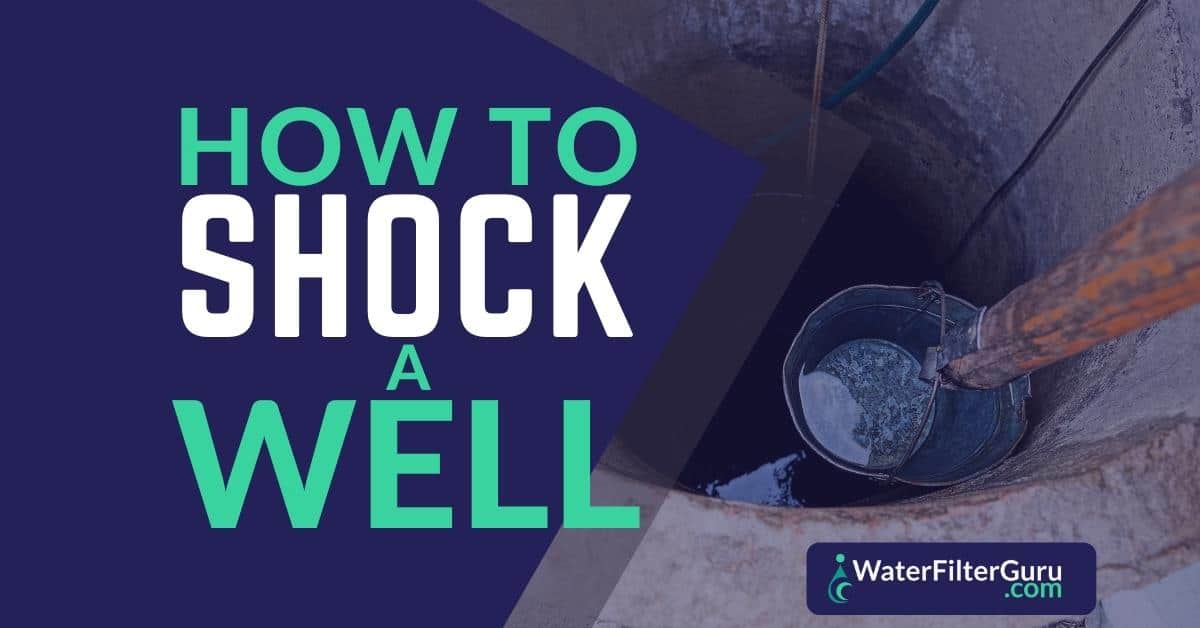
Pour the bleach directly into the well casing. Use a funnel or a clean hose to get it down there, avoiding splashing on your clothes (it’ll ruin them). Then, grab a garden hose connected to a spigot near the well.
Run the hose into the well opening, and let it circulate the water for about an hour. This is where the magic happens: the chlorine mixes with the water and starts killing everything it touches.
 How to Shock a Well
You might smell that pool-like odor—that’s a good sign! It means the chlorine is working. But don’t drink any of it yet.
What about the pipes inside your house?
Now turn the pump back on. Go inside, and open every faucet—hot and cold, inside and outside. Let the water run until you smell that chlorine at each tap.
Don’t forget your showerheads, washing machine, and even your toilet tanks. Flush all of them. You want the bleach to reach every corner of your plumbing system. Your house is now one giant water-purification machine.
Let the chlorinated water sit in the pipes for 6 to 12 hours. Overnight is perfect. This gives the chlorine time to annihilate any biofilm or bacteria clinging to pipe walls.
But wait—won’t that ruin my skin or pipes?
Nope. The concentration is high enough to kill germs, but low enough that it won’t hurt your plumbing. You might hear some gurgling or air in the lines—that’s normal.
Just don’t shower in it for too long, or you’ll feel a bit like you’re at a public pool. Not dangerous, just weird.
Alright, the big flush-out
After the wait, it’s time to flush all that chlorine away. Attach a garden hose to an outside spigot, and run the water away from your lawn or septic system (chlorine kills plants and good bacteria in septic tanks).
![How Much Does It Cost to Shock a Well? [2025 Data] | Angi](https://media.angi.com/s3fs-public/when-to-shock-well.png?impolicy=inforgraphic) How Much Does It Cost to Shock a Well? [2025 Data] | Angi
How Much Does It Cost to Shock a Well? [2025 Data] | Angi
Let the water run until you can’t smell chlorine anymore. This might take 30 minutes to an hour. Then do the same inside—run every faucet again until the water is clear and odorless.
You’ll probably see some rusty or muddy water at first. Don’t panic—that’s just the chlorine flushing out iron and sediment. It’s actually satisfying to watch the gunk disappear.
Is it really safe afterwards?
Once the bleach is completely flushed, test your water. You can buy a simple test kit at a hardware store or send a sample to a lab. Wait 24 hours before testing to make sure the chlorine is gone.
If the test shows no bacteria, congratulations—you just shocked your well! You’re basically a water-quality superhero now.
And if it’s still contaminated? Well, you might need a second shock or a call to a pro. But 99% of the time, one good shock does the trick.
One last thing—safety first
Wear gloves and goggles when handling bleach. Don’t mix it with anything else (especially ammonia, which creates toxic gas). And keep kids and pets away while you’re working.
Shocking your well is kind of like giving your house a deep brain cleanse. It sounds dramatic, but once you do it, you’ll feel oddly accomplished. Your water will taste crisp, clean, and utterly fresh.
So go ahead—embrace your inner mad scientist. Your well will thank you, and your morning coffee will taste better than ever.
