How To Read A Water Meter Uk

Let’s be honest: your water meter probably isn’t the star of your utility cupboard. It’s that little grey or black box tucked behind the washing machine, gathering dust and ma...

Let’s be honest: your water meter probably isn’t the star of your utility cupboard. It’s that little grey or black box tucked behind the washing machine, gathering dust and maybe a stray spider web. But trust me, this humble device is actually a tiny superhero for your household budget. Learning to read it takes two minutes, and it could save you enough cash for a cheeky takeaway or two.
First things first: where is the blighter?
In the UK, your water meter is usually outside near the front pavement, inside a small plastic cover with a metal lid. If you live in a flat or a newer house, it might be inside, often under the kitchen sink or in an airing cupboard. Think of it as a secret agent for your water supply—quietly doing its job until you call on it.
Don’t worry if you can’t find it straight away. I once spent ten minutes lifting random manhole covers before realising my neighbour’s meter was hiding under a flowerpot. If you’re really stuck, check your water bill or their website—they usually tell you exactly where it lives.
Must Read
So, what are you looking at?
Pop the lid open, and you’ll see a digital display or a row of numbered dials. Digital meters are the easiest: just read the black numbers from left to right. The white numbers? Ignore them, completely. They’re like the extra toppings on a pizza—nice, but not what you’re paying for.
If you’ve got an older meter with dials, it looks a bit like an old-school bike speedometer. Each dial spins in a different direction, so read them in order, and always use the lowest number the pointer has passed. It’s a bit like reading a clock, only less stressful and with no rush to get to school.
The fun part: why should you care?
Remember that time you left the hose running while playing with the kids, or that drippy toilet you kept meaning to fix? Your water meter remembers everything. By reading it weekly, you’ll spot leaks before they turn your bill into a horror story. A slow drip can waste thousands of litres a year—literally money trickling down the drain.
I once ignored a small drip for three months, and my bill jumped by forty quid. My neighbour, who reads his meter every Sunday with a cup of tea, caught a leaking pipe in a week. He now calls it his “Sunday ritual” and jokes that it’s cheaper than therapy.
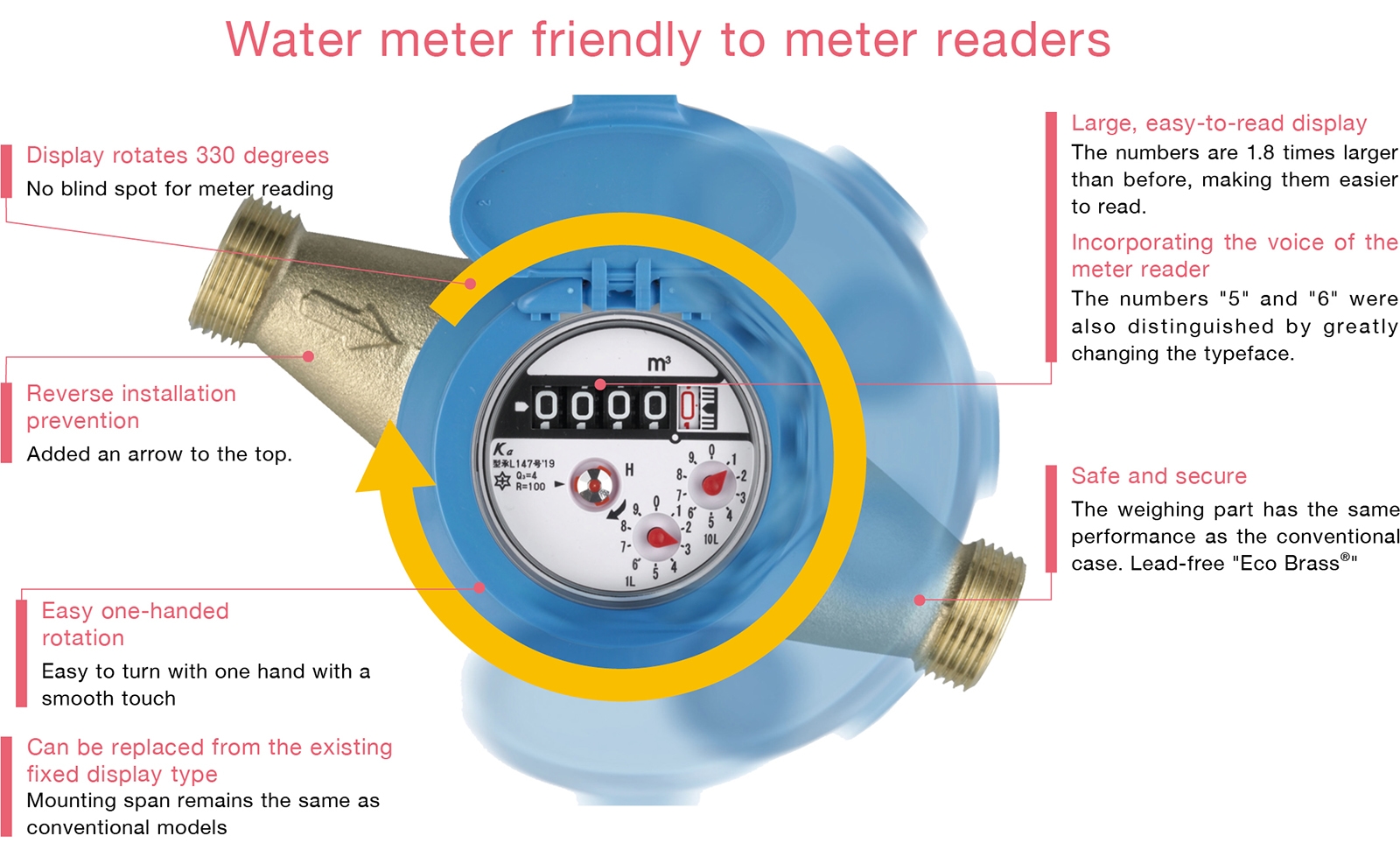 Water Meter Reading Example
How to read it like a pro (in under a minute)
Grab a pen and paper, or just snap a photo with your phone. On a digital meter, write down the black numbers and ignore the rest. If you have dials, start with the 10,000 litre dial, then the 1,000, then the 100, and so on. Write them down in that order, and you’ve got your reading.
Now, compare it to last month’s reading from your bill. If the difference seems huge, check if you’ve been watering the garden or filling a paddling pool. If you haven’t, and it’s still high, you might have a leak. Don’t panic—just call your water company. They often fix leaks for free, and they’ll appreciate you being so on-the-ball.
A little story to cheer you up
My mate Dave once bragged that he never looked at his meter. Then his bill arrived for £280—double the usual. Turned out his teenage daughter had been taking 45-minute showers and doing two loads of laundry a day. Dave now reads his meter every Friday, and he’s turned shower-timer into a family game. His daughter? She’s down to 12 minutes, and the savings paid for a weekend in Cornwall.
See? Reading a meter isn’t about being boring—it’s about taking control of your money and your home. Plus, it makes you feel clever, like you’ve unlocked a secret level in the game of adulthood.
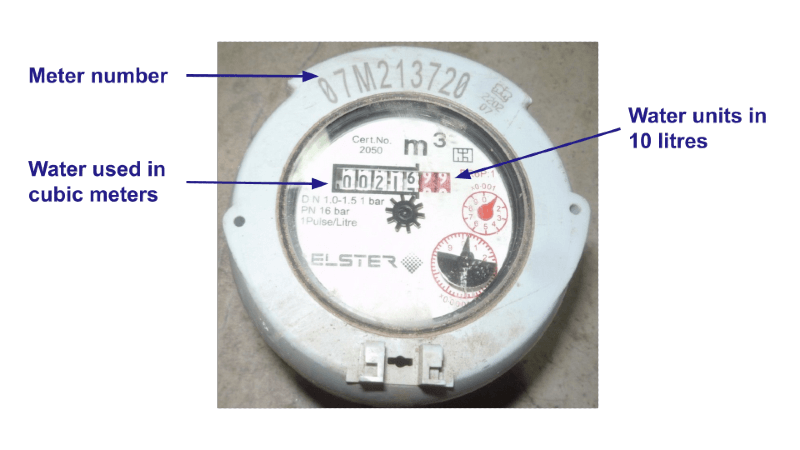 Digital Water Meter Reading Uk
Top tips to make it even easier
Pick a regular day, like bin day or laundry day, to check your meter. Stick a sticky note on the cupboard door: “Read meter or buy less coffee.” It works—trust me. You can also use smart meter apps that send readings automatically, but the manual way is free and gives you a sense of victory.
If you’re ever confused, just google “how to read my water meter UK” and pop your meter’s make and model. There are videos of cheerful plumbers showing you step by step. They make it sound as easy as making toast, because it is.
The bottom line
Reading your water meter is like brushing your teeth—it only takes two minutes, and the alternative is much more expensive. You don’t need to be a DIY guru or a math whiz. All you need is curiosity and a few minutes a month. So go on, lift that lid, read those numbers, and give yourself a pat on the back. Your wallet will thank you, and you might even catch a leak before it turns your bills into a downpour.
Happy meter reading—you’ve got this.
