Why Is My Sink Water Yellow

So there I was, last Tuesday morning. I stumbled into the bathroom, still half-asleep, and turned on the faucet to splash some cold water on my face. Instead of a refreshing,...
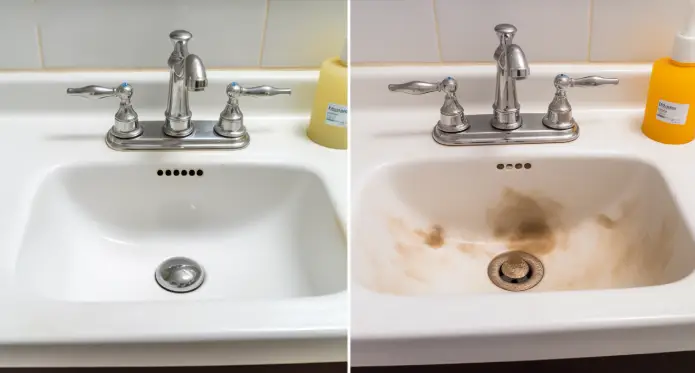
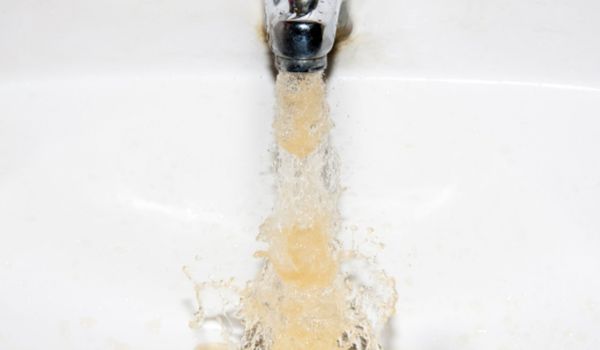
So there I was, last Tuesday morning. I stumbled into the bathroom, still half-asleep, and turned on the faucet to splash some cold water on my face. Instead of a refreshing, clear stream, I was greeted by a jet of what looked like weak iced tea. My first thought wasn’t, “Oh, a plumbing issue.” It was, “Did someone spike my water with rusty pennies?”
I stared at the yellow liquid for a solid ten seconds, hoping it would magically clear up. It didn’t. It just sat there in the white sink, looking suspicious and vaguely historical. That’s the moment I realized: your home’s water can be a real drama queen. And if your sink is turning into a tea brewer, you deserve to know why.
The Classic Culprit: Rusty Pipes
Let’s start with the most common suspect. If your water looks like it’s been filtered through a 1950s Chevy, you’re probably dealing with old iron pipes. Water is a sneaky little solvent; over time, it wears away the inside of steel or galvanized pipes. That brownish-yellow tint? That’s basically oxidized iron, aka rust, floating around in your glass. It’s gross to look at, but usually not a health emergency—though it does taste like licking a fence.
Must Read
Here’s the irritating part: this often happens after you’ve been away for a few days. Water sits stagnant in the pipes, collects rust, and then dumps it all on you the moment you turn the knob. Classic timing. If you let the water run for five to ten minutes, it might clear up. If it doesn’t? Well, that pipe is probably crying for retirement.
When the City is the Problem
Before you blame your plumbing, check with your neighbors. Seriously, text them. If their water is also yellow, you’ve just moved from “house problem” to “city problem.” Municipal water systems sometimes flush their mains, which stirs up sediment. It’s like when you shake a snow globe, except the snow is rust and mineral scale. Annoying, but temporary. Pro tip: don’t do laundry during a city flush unless you want your white socks to look like they fought in a mud war.
Another fun city move: they might have changed the water source temporarily. Sometimes your tap runs on a reservoir that’s naturally rich in iron or manganese. The water is perfectly safe, but it has that “touched by the earth” aesthetic. Hey, at least it’s organic, right? (Please don’t drink organic rust, though.)
Your Water Heater is Throwing a Tantrum
Is the yellow water only coming from the hot tap? Then your water heater is trying to tell you something. Over time, sediment builds up at the bottom of the heater tank. When the heater kicks on, it stirs that sludge into the water. The result? Hot water that looks like dilute caramel. You know what that means? Your water heater needs a good flush—literally. There’s a valve at the bottom called a drain valve. Use it. If you’ve never done it before, watch a YouTube tutorial and prepare for a mini geyser of grossness.
 Plumbing Inspection Checklist | TRADESAFE
If the water from the heater smells metallic too, you might have a sacrificial anode rod that’s gone rogue. That rod is supposed to attract corrosion so the tank doesn’t rust. But sometimes it gets consumed and releases particles. It’s doing its job, but the side effect is unsightly water.
Well Water: The Wild Card
If you’re on a private well, yellow water is practically a rite of passage. You’re dealing with iron bacteria or high levels of natural minerals. These little buggers don’t make you sick, but they create a slimy, yellowish biofilm in your plumbing. It’s like your pipes have a mild cold. The fix? Usually a chlorination treatment or a special water filter system. Welcome to country living—where the air is clean but the water has a personality.
Another well-water drama: tannins. Yes, like in wine. Tannins from decaying vegetation can seep into your groundwater, giving it a tea-like color. It’s harmless, but it’s the universe’s way of reminding you that you’re literally drinking from the ground. No offense to Gaea, but I prefer my H2O without the “natural notes of peat.”
The Scary One: Corroded Copper Pipes
Okay, let’s get serious for a second. If your yellow water has a blue-green tinge or a metallic taste, you might have copper corrosion. This usually happens when your water is too acidic. High copper levels can cause digestive issues and, in worst cases, liver problems. If you see a weird greenish-yellow combo, stop drinking it. Call a plumber. I’m not a doctor, but I’m a guy who likes your kidneys.
 Why Is My Water Yellow? Causes & Fixes (2025 Guide) - QWL
Check the pipes in your basement or crawlspace. If they look green and crusty at the joints, that’s a bad sign. Replace them with PEX or PVC pipes if you can. Your plumbing shouldn’t double as a chemistry experiment.
The Quick Fix vs. The Real Fix
So what do you do right now? First, let the water run for five minutes. If it clears, you’re probably dealing with stagnant rust. Phew. Second, run both hot and cold separately to isolate the source. Third, call your city if neighbors are affected. Fourth, invest in a water test kit—they’re $20 on Amazon and will tell you if your water is acidic or mineral-heavy.
The real fix, unfortunately, is often a plumber. Replacing old galvanized steel pipes with copper or plastic is expensive. But so is buying bottled water for the rest of your life. Or worse, explaining to guests why your kitchen sink looks like a weak coffee maker. You pick your poison—preferably the one that doesn’t come from your tap.
At the end of the day, yellow water is rarely the apocalypse. It’s just your house being a little dramatic. But, like a leaky faucet, if you ignore it, it will get worse. So go flush that heater, call your water company, and for the love of hydration, stop pouring yourself a glass until it runs clear. Your plumbing might be cranky, but at least now you know how to calm it down.
