Why Is My Toilet Water Pink

You know that moment when you lift the toilet lid and do a double-take? Your water isn’t clear. It’s pink. Not a faint rose tint from a bath bomb accident—we’ve all been there...
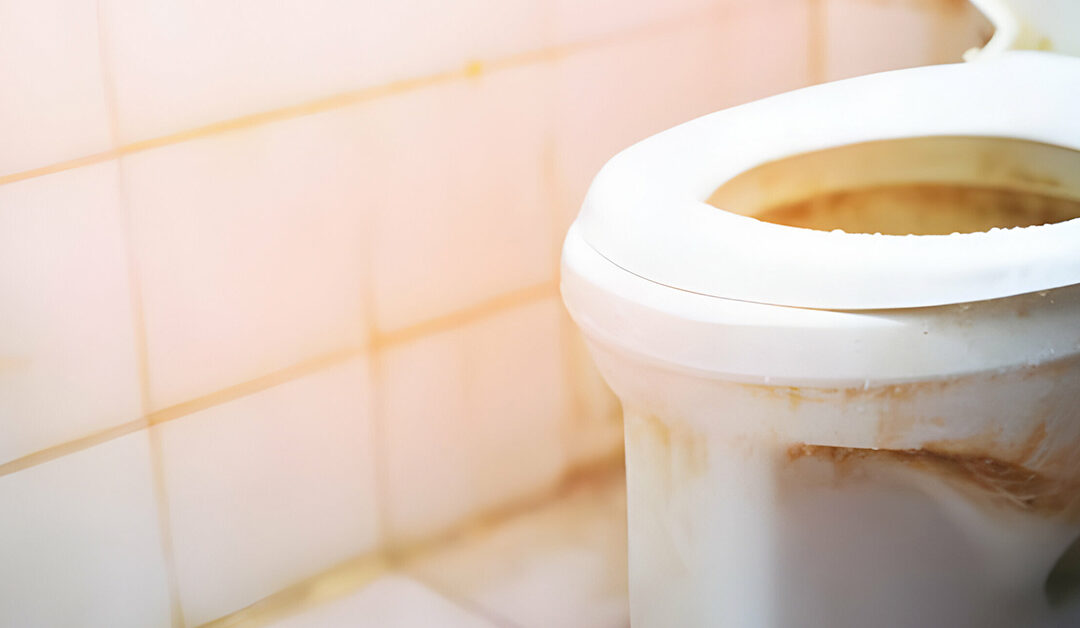
You know that moment when you lift the toilet lid and do a double-take? Your water isn’t clear. It’s pink. Not a faint rose tint from a bath bomb accident—we’ve all been there—but an actual, alarming pink. Suddenly, you wonder if you’ve accidentally moved into a dollhouse, or if your pipes are secretly brewing bubblegum. Relax. Take a breath. You’re not going crazy, and your plumbing isn’t haunted by a cotton candy ghost.
The Usual Suspect: Bacteria, Not a Leak
The most common reason for pink toilet water is a harmless bacterium called Serratia marcescens. It sounds like a spell from Harry Potter, but it’s actually a naturally occurring microbe. This pinkish slime loves damp, warm, and slightly soapy environments—basically, your toilet bowl is its favorite spa. It doesn’t come from the water supply itself; it floats through the air and lands on moisture, like your toilet rim or the water surface.
Where Does It Come From in Your Home?
Think about that half-used bottle of cleaner you keep near the toilet. If the water sits for a while, like in a guest bathroom, the chlorine in your tap water evaporates. Without that chlorine to fight it, the bacteria throw a little party. It’s the same reason you might see pink rings in pet water bowls or around sink drains—it’s everywhere in our homes, just waiting for a humid spot.
Must Read
I once convinced myself my toddler had hidden a pink marker in the toilet. After a frantic search, I discovered the real culprit: a forgotten bottle of toilet cleaner that left a soapy film. The bacteria loved that film. My lesson? If you see pink, don’t blame the kids first—blame the Serratia.
Why You Should Actually Care (It’s Not Just Gross)
Let’s be honest: pink water is a mood killer. It makes you feel like you’re not cleaning well enough. But more importantly, this bacteria can be a red flag for other issues. If you see it constantly, it might mean your water has low chlorine levels or that your toilet isn’t flushing properly. In rare cases, it can signal a leak in your toilet tank that lets stagnant water sit too long.
There’s also a health angle, though most people have nothing to worry about. Serratia marcescens is usually harmless, but it can cause infections in people with weakened immune systems or urinary tract issues. I’m not trying to scare you—I just want you to know why a simple pink tint deserves a second glance. Think of it like a small warning light on your car’s dashboard: it’s probably nothing, but you should check it.
 Why Is My Toilet Water Pink &Prevent Toilet Ring Stains 2026
How to Fix It (Without a Plumber)
Good news: you can banish the pink with everyday supplies. Start by scrubbing your toilet bowl with a bleach-based cleaner or a paste of baking soda and vinegar. Make sure you scrub under the rim, where the bacteria hide. Then, pour a cup of bleach into the overflow tube (the small hole in the tank) and let it sit for 15 minutes before flushing. This kills the bacteria in the tank itself.
Next, stop feeding the beast. Remove any toilet cleaners or bleach tablets that sit in the tank. Those things actually create a film that bacteria love. Instead, use a drop of dish soap on the inside of the bowl after cleaning—it prevents the bacteria from sticking without leaving soap residue. And here’s the laziest trick: flush the toilet at least once a day, even in the guest bathroom. Moving water doesn’t give the bacteria time to settle in.
A Little Humor Helps the Water Flow
I remember telling my neighbor about my pink toilet, and she laughed. She said, “Oh, I just call it ‘blush water’ and pretend my toilet is shy.” And honestly? That’s a good attitude. But after a week of ignoring it, the pink turned into a slimy ring. So while a joke is fine, a little elbow grease is better. Treat your toilet like a pet that needs attention—not a grumpy one, just a thirsty one that likes to blush.
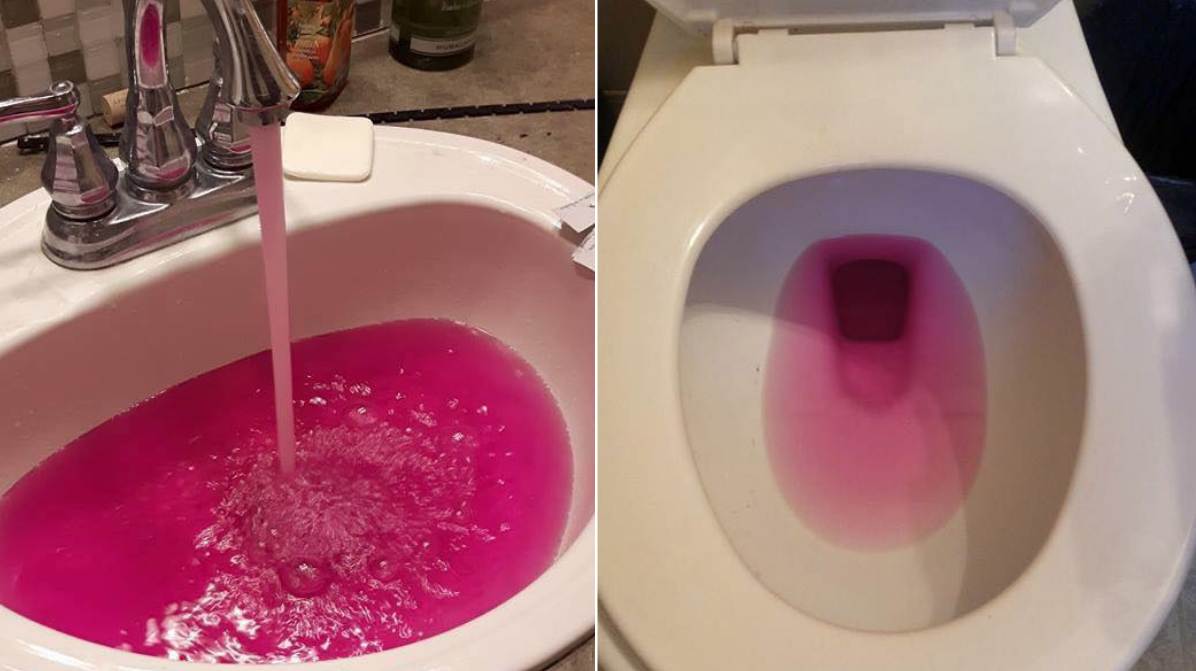 The reason why this entire Canadian town's water turned hot pink - CBS News
If the pink keeps coming back even after you clean, check your water heater temperature. If it’s set below 120°F (49°C), bacteria can grow in the tank itself. Crank it up a notch, and you might just solve the mystery. Also, replace any rubber parts inside the toilet tank, like the flapper—old rubber can leach stuff that bacteria feast on.
When to Call a Pro
If you’ve scrubbed, flushed, and still see pink within a week, call your water utility company. They can test your water for chlorine levels and bacteria. It’s rare, but sometimes the pink comes from a biofilm in the main water pipes. Don’t panic—it’s usually solved with a simple system flush. And if you’re on well water, check your filtration system. A properly working UV filter or chlorinator will keep the pink away for good.
So next time you see that rosy tint, don’t scream. Smile, grab your scrub brush, and remember: it’s just a bacteria having a small party in your toilet. You’re the bouncer. Kick it out, enjoy your clear water, and go back to the important stuff—like wondering why your other toilet smells like cinnamon for no reason. That’s a story for another day.
