What Does Public Water Mean

Okay, let’s talk about something we all use every single day, but probably never think about: public water. You know, that magical stuff that comes out of your tap when you tu...
Okay, let’s talk about something we all use every single day, but probably never think about: public water. You know, that magical stuff that comes out of your tap when you turn the handle? It’s not magic—it’s a miracle of modern civilization, and it’s actually pretty hilarious once you dig into it.
So, what does public water actually mean? In the simplest, most boring dictionary terms, it’s water supplied by a government or a utility company to homes, businesses, and fire hydrants. But let’s be real: it’s the unsung hero of your morning coffee, your shower, and that awkward moment when you run out of toilet paper mid-use. Public water is basically the city’s way of saying, “Hey, we got you, buddy.”
It’s Not Just Water—It’s a Vibe
Think about it: every time you flush a toilet, you are literally sending a message to the universe that you trust your local water system. And that’s huge. Public water is a shared resource, paid for by your taxes and a little bill that shows up every month. It’s like a neighborhood potluck, except instead of a weird casserole, everyone gets clean, drinkable H₂O.
Must Read
But here’s the kicker: public water isn’t just about what’s in your glass. It’s about firefighting, street cleaning, and even watering the park’s flowers that somehow always look better than your own. Without public water, your local firefighter would be showing up with a bucket and a prayer. “Sorry, ma’am, your kitchen is toast—literally.” No, thank you.
The Dirty Secret Behind the Clean
You might wonder, “Who’s in charge of making sure this stuff isn’t laced with alien goo?” That would be your water utility company, which is basically a team of scientists, engineers, and a guy named Steve who really loves checking pipes. They test for everything: bacteria, lead, pesticides, and even the ghost of that lemon you dropped down the sink last year. Okay, maybe not ghosts, but you get the point.
And here’s a fun fact: the water you’re drinking right now might have once been part of a dinosaur’s bladder. Seriously—the water cycle is a big, chaotic party. Public water just cleans up after that party. It filters out the mud, the microorganisms, and the existential dread. All that’s left is crisp, cold, and surprisingly delicious water.
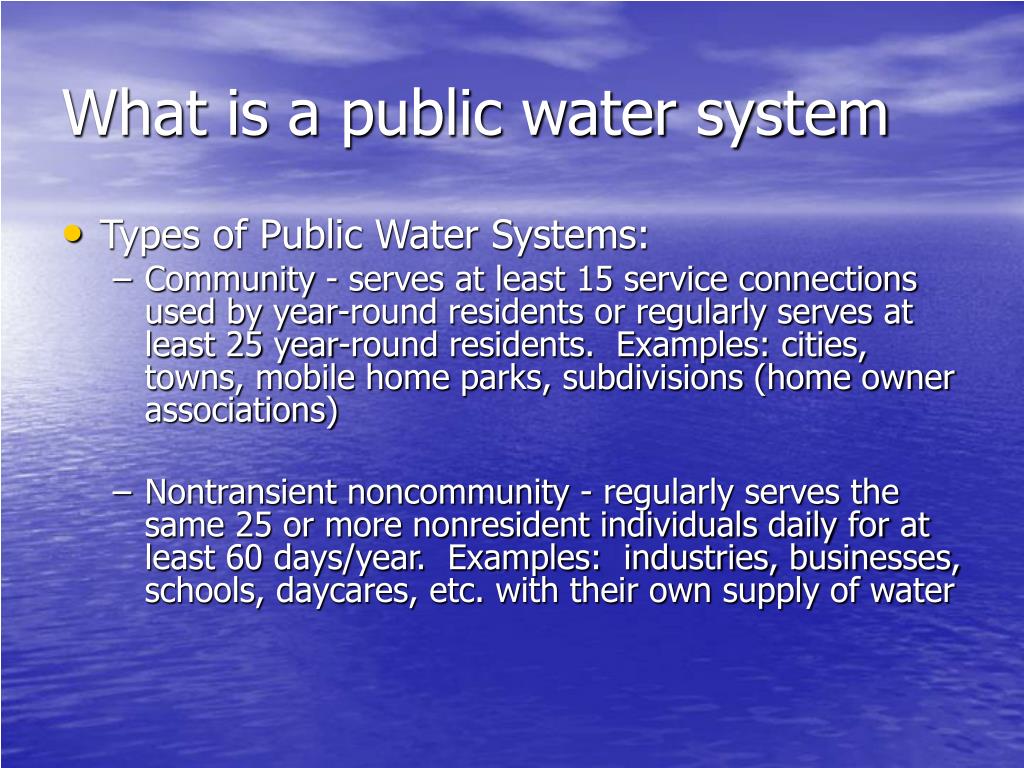 PPT - IDEM Drinking Water Program PowerPoint Presentation, free
Why You Should Care (Even If You’re a Bottle Snob)
I know, I know—some of you swear by fancy bottled water from a mountain in France. But here’s the thing: public water is basically bottled water’s cool, down-to-earth cousin. It’s tested more frequently, costs pennies per gallon, and doesn’t create a plastic island in the Pacific Ocean. Plus, you don’t have to lug it home from the store. Win-win.
Public water also means equity. Everyone in the community—rich, poor, or just broke from buying avocado toast—gets the same quality of water. It’s like a democracy, but wetter. And when you turn on that tap, you’re participating in a centuries-old tradition of people trusting strangers to keep their water safe. How cool is that?
Wait, What About That Brown Water Incident?
Okay, fine, sometimes public water gets a bad rap. Maybe you’ve turned on the faucet and seen a brownish trickle that looks like weak tea. Don’t panic—that’s usually just sediment from old pipes getting stirred up. It’s like your house’s plumbing having a little tantrum. Run it for a minute, and it’s back to crystal-clear. If it doesn’t clear up, call your utility. Steve will handle it.
And yes, there are rare, scary moments—like Flint, Michigan—where public water fails us. That’s a wake-up call that this system needs love, money, and better leadership. But for most of us, public water is a quiet, reliable miracle that works 24/7 without asking for a thank you. It’s the designated driver of modern life.
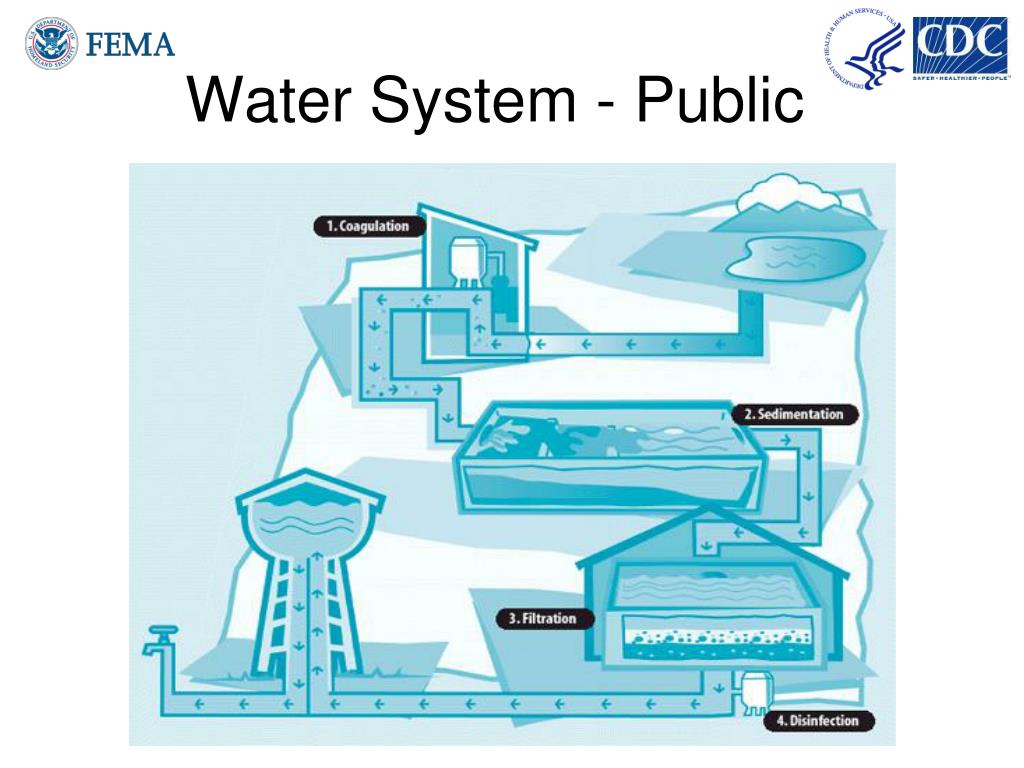 PPT - Potable Water PowerPoint Presentation, free download - ID:3406284
The Real Magic: You’re Part of the System
Here’s the truth: public water isn’t just a service—it’s a contract between you and your community. You pay a little, and in return, you get hydration, sanitation, and the ability to wash your car on a Sunday. But you also have a role: don’t flush weird stuff (looking at you, “flushable” wipes), report leaks, and maybe stop watering your lawn during a drought. Think of it as being a good water-roommate.
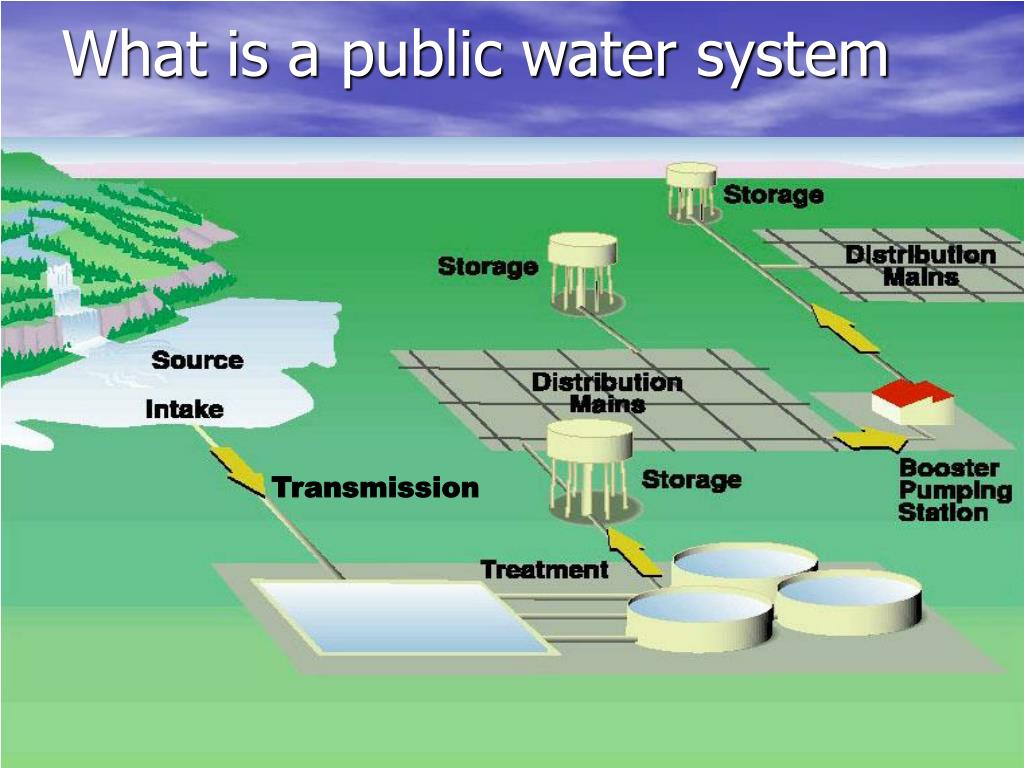
And next time you take a sip from your tap, imagine the journey. That water traveled through rivers, reservoirs, treatment plants, and miles of pipe just to say, “Hey, I’m here for you.” It’s like the postal service, but faster and less depressing.
So, What Does Public Water Really Mean?
It means trust. It means community. It means you can have a glass of water at 3 a.m. without putting on pants. It’s the liquid version of a good neighbor: always there, never judgmental, and occasionally tastes a little like pennies if your pipes are old. But you know what? That’s okay. Because public water is ours.
So raise your glass (or your reusable bottle, you eco-champ) and give a little toast to the unsung hero. To the rivers, the filters, the pipes, and Steve. Cheers to public water—the most democratic, dinosaur-parted, life-giving stuff that just happens to come out of your wall. And remember: the next time you drink it, you’re not just hydrating; you’re high-fiving civilization. Stay awesome, and stay hydrated.
