Does Uv Light Kill Bacteria

You’ve seen it in sci-fi movies, hospital corridors, and maybe even in a sleek water bottle your friend raves about. The question that’s been buzzing around your feed is simpl...
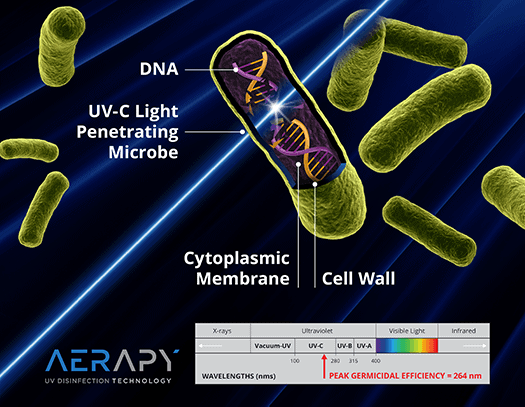
You’ve seen it in sci-fi movies, hospital corridors, and maybe even in a sleek water bottle your friend raves about. The question that’s been buzzing around your feed is simple: does UV light actually kill bacteria? The short answer is a glowing, science-backed yes. But like that trendy cold brew you bought at 6 AM, the details matter.
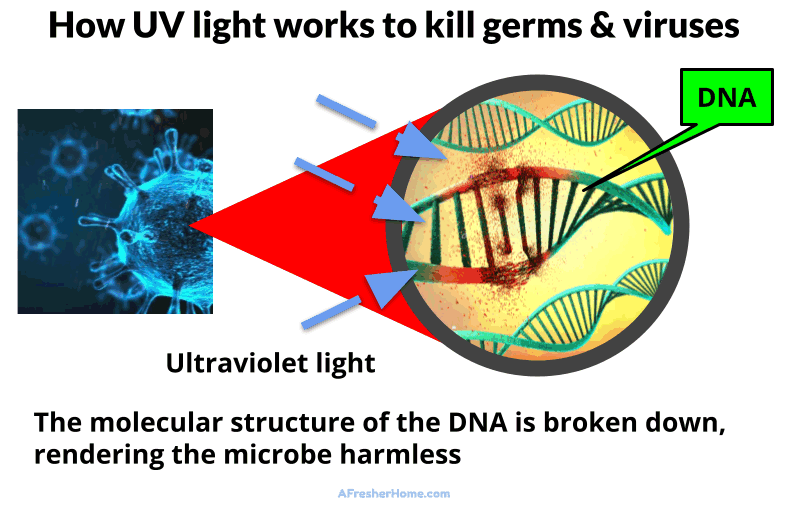
Think of UV light as nature’s tiny, invisible assassin. It works by damaging the DNA and RNA of bacteria, viruses, and other microbes, rendering them harmless or dead. It’s the same principle that makes a sunny day so effective at drying out your gym towel—except way more targeted.
How It Works (Without the Lab Coat)
Imagine a microscopic disco ball, but instead of glitter, it shoots energy at specific wavelengths. This is UV-C light, the type that’s the real star of the show. It’s so powerful that it literally breaks the genetic code of a germ, like a tiny cosmic X-Acto knife.
Must Read
A fun fact? NASA has been using UV light to sterilize spacecraft for decades, making sure we don’t accidentally contaminate Mars with E. coli from Earth. If it’s good enough for a multi-billion-dollar rocket, it’s probably good enough for your kitchen counter.
But here’s the catch: not all UV light is created equal. The kind you get from a regular light bulb or the sun’s tanning rays? Not the germ-killer. You need that specific UV-C wavelength, which is mostly filtered out by our atmosphere. So, no, sunbathing won’t sanitize your phone.
Practical Tips for Your Tech and Home
You can buy UV sanitizers for your phone, toothbrush, or even those mysterious reusable grocery bags. However, look for devices with certified UVC output—most cheap knockoffs are just fancy flashlights. You wouldn’t trust a $10 sushi roll; don’t trust a $10 UV wand.
One major rule: don’t look directly at the light. UV-C is harmful to your skin and eyes, like staring at a welding arc. Treat it like a microwave—incredibly useful, but you don’t stick your head inside while it’s running.
Here’s a practical tip: use a UV sanitizer for your water bottle after a hot yoga class. It’s a two-minute job that kills 99.9% of bacteria, and it saves you from the horror of discovering a mildew colony in your lid. Your nose will thank you.
 Uv Light Effect On Bacteria at Johnathan Olivar blog
The Cultural Cool Factor
Remember that scene in The Martian where Matt Damon grows potatoes in his own waste? He used UV light to sterilize the soil. It’s not just a plot device; it’s a real-world solution for future space farms. Alex Honnold, the free solo climber, might use it on his gear, though I’m not sure that’s official lore.
Even your favorite coffee shop might be in on it. High-end cafes now use UV-C to clean their espresso machines because it doesn’t leave a chemical aftertaste. So, your morning latte is both delicious and scientifically pure—a modern miracle.
It’s also a subtle flex. When you casually mention that you use a UV wand on your yoga mat, you sound like a wellness guru who reads microbiology journals for fun. It’s the aesthetic of clean without the smell of bleach.
The Fun Little Facts
Did you know that UV light was first used to kill bacteria in the 1870s? That’s right, before electricity was common, scientists were zapping germs with carbon arc lamps. It’s like finding out your great-grandpa used cryptocurrency.
Another gem: some fish and birds can actually see UV light. Imagine a world where your morning toast looks like it’s glowing to a sparrow. We humans are missing out on a whole invisible universe of cleanliness.
 Antimicrobial Resistance: Is There a ‘Light’ at the End of the Tunnel?
And here’s a weird one: UV light is used to treat psoriasis and jaundice in newborns. So, it’s not just a killer—it can be a healer too, as long as you dial the knob to the right setting. Balance, as always, is key.
The Limits You Should Know
Okay, reality check: UV light is not a magic eraser. It works only on surfaces that the light can directly reach. Shadows, dust, and organic gunk act like tiny bunkers for bacteria. A UV wand over a pile of laundry? It’s like using a water pistol on a forest fire.
It also doesn’t neutralize toxins or allergens. If someone spilled juice on your counter, UV won’t remove the sticky sugars—it only kills the living things. So you still need soap for the gooey mess. Think of it as a backup dancer, not the lead singer.
For water and air, UV systems are powerful but require flow rates and exposure times. A quick flash won’t do it. So, that viral post about a UV hose nozzle for your garden? Probably overkill for your petunias.
A Short Reflection
In our daily hustle—sticky keys, dirty gym bags, that one weird spot on the kitchen sponge—we crave control. UV light offers a silent, invisible ally against the microbial chaos. It’s not a replacement for hand-washing, but it’s a beautiful complement, like a good Spotify playlist for your cleaning session.
So, the next time you swipe your phone with a UV sanitizer, smile. You’re not just a person; you’re a curator of a tiny, invisible ecosystem. And sometimes, the best way to win the war is with a light you can’t even see.
