How Does A Well System Work

So picture this: it’s a scorching July afternoon, and I’m standing in my cousin’s backyard in rural Pennsylvania. He hands me a glass of ice water, and I take a sip—it’s incre...

So picture this: it’s a scorching July afternoon, and I’m standing in my cousin’s backyard in rural Pennsylvania. He hands me a glass of ice water, and I take a sip—it’s incredibly cold and crisp, like it just crawled out of a mountain stream. I ask him, “Is this from a store?” He smirks and says, “Nope, it’s from that.” He points to a rusty metal cap in the grass, surrounded by a few pipes and a big blue tank.
That moment—standing there, staring at a hole in the ground that somehow delivers magical water—made me realize: I had no clue how a well actually works. And if you’re like me, you probably think it’s just a bucket on a rope, right? (Spoiler: it’s way cooler, and no one’s cranking a handle.) Let’s break it down, shall we?
Step One: The Big Hole – What’s Actually Down There?
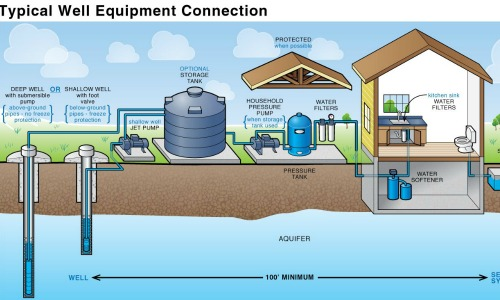
A well isn’t just a random hole—it’s a precision-engineered portal to an underground water source called an aquifer. Aquifers are layers of rock, sand, or gravel that hold water, like a giant underground sponge. Your well driller (yes, that’s a real job, and they’re basically wizards) drills down until they hit this water-rich layer.
Must Read
Then they line the hole with a pipe called a casing—usually made of steel or PVC—to keep the sides from collapsing. (Imagine trying to dig a hole in sand at the beach, but way deeper and with a hangover. That’s why casing exists.) The casing also stops surface junk—like bugs, dirt, or that dead raccoon you don’t want to think about—from contaminating your water.
Step Two: The Pump – The Real Hero of the Story
Now, here’s where the magic happens. At the bottom of the casing, you’ve got a submersible pump—a little motor that sits underwater, quietly screaming at itself to push water up to your house. (Yes, it’s literally electric, like a blender you can’t see.) When you turn on your faucet, the pump senses the drop in pressure and kicks on, using a series of impellers to shove water upward.
But wait—there’s a catch. If the pump ran every time you flushed the toilet, it would burn out faster than a late-night taco craving. So the pump sends water into a pressure tank first, usually in your basement or a utility closet. That tank stores water under pressure, so you can get a glass without the pump starting a mini earthquake every time. (Your electric bill thanks you.)
 Parts Of A Water Well Pump - Infoupdate.org
How the Pressure Tank Thinks
Inside that tank, there’s a rubber bladder that separates air from water. As the pump fills the tank, the air compresses—like blowing up a balloon—storing energy. When you open a tap, that compressed air pushes the water out, no pump needed. Once the pressure drops to a certain point (usually 40 psi), the pump kicks back on to refill it.
Now you know why your shower sometimes does that annoying pressure dance when someone flushes a toilet—it’s the pressure tank doing its job, but barely. (Pro tip: if it’s super dramatic, your tank’s bladder might be dead. Don’t panic—just call a pro.)
Step Three: The Pipes – Your Underground Highway
From the pressure tank, water travels through a network of pipes into your house, just like city water—except you’re your own boss. There’s no company to call, no monthly bill (well, besides the electricity to run the pump). But with great freedom comes great responsibility: you own every inch of that system, from pump to faucet.
Water quality also matters more. Because groundwater isn’t city-treated, you might need a filter or a water softener to handle minerals like iron or calcium. (Ever tasted water that smells like rotten eggs? That’s sulfur bacteria, and yes, it’s a thing. A filter fixes it, but don’t be shy—get it tested.)
 What Is A Well System
The Wrinkles: What Can Go Wrong
Here’s the honest, ironic part: well systems are awesome until they break. A pump can fail, a pipe can freeze in winter, or the well can run dry in a drought. (My cousin once had to deep condition his pump after a power outage—it sounded like a dying cat under the house.) You’ll also need to test your water for bacteria and nitrates every year—especially if you have kids or a pregnant partner.
But honestly? The resilience is unmatched. While city folks panic over boil-water advisories, you just swap a filter and carry on. (Plus, you can joke about drinking “dirt juice” with a straight face.)
The Final Sip
So next time you see that rusty cap in someone’s yard, give it a little nod. That unassuming hole is a silent, hardworking hub of engineering—turning rock and dirt into the best damn water you’ve ever tasted. And if you ever own one yourself, remember: it’s not magic—it’s just water, electricity, and a pipe that’s way deeper than your dignity after you trip over it.
Now go pour yourself a glass. You’ve earned it. (And maybe text your cousin a thank-you—he’s probably hoping you finally get a well of your own.)
