What Is Ph Of Bottled Water

So, you’re standing in the grocery aisle, staring at a wall of water bottles. It’s a simple choice, right? Grab one, pay, and go. But have you ever noticed those tiny numbers...
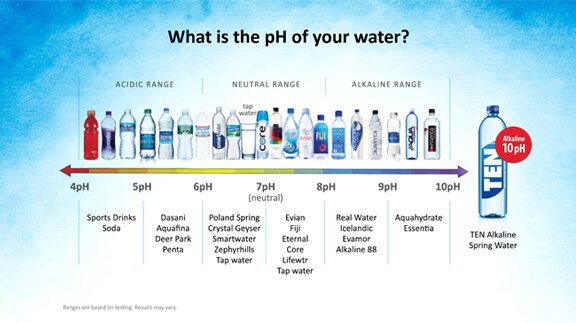
So, you’re standing in the grocery aisle, staring at a wall of water bottles. It’s a simple choice, right? Grab one, pay, and go. But have you ever noticed those tiny numbers on the label, the ones that say “pH 7.2” or “pH 8.0”? That little number is actually a secret handshake between you and the water. Let’s break it down without any science headaches.
What is pH, Really? (Think Lemonade vs. Soap)
pH is just a scale that tells you how acidic or alkaline something is. Imagine your morning orange juice; it’s pretty acidic, so it has a low pH, around 3 or 4. Now picture a bar of soap; that’s alkaline, with a high pH, around 9 or 10. Bottled water lives right in the middle, usually between 6.5 and 8.5.
It’s like the Goldilocks of drinks. You don’t want it too sharp like lemonade, and not too flat like baking soda water. You want it just right, and that middle zone is where your body feels most comfortable.
Must Read
Pure water has a pH of exactly 7, which is neutral. But “pure” water in nature doesn’t exist; it always picks up tiny minerals or gases from the air or rocks. That’s why your bottled water has a unique number.
Why Should You Care? (Your Grandma’s Garden Has the Answer)
Think about your grandmother watering her hydrangeas. She probably told you that acidic soil makes the flowers blue, and alkaline soil makes them pink. The pH of the water literally changes the color of the petals! Your body is a lot like that garden, though less dramatic.
Your blood has a very strict pH, always hovering around 7.4. Your body works hard to keep it there, no matter what you drink. So, drinking a bottle of pH 8.5 water won’t turn your blood alkaline like some ads claim. But it can affect your digestion, your energy, and even the way your mouth feels.
Ever chugged a sports drink and felt a weird fizz in your throat? That’s the acidity. Higher pH water (like 8 or 9) is often marketed as “smoother.” It’s less harsh, and some people swear it helps with acid reflux or that tired feeling after a run.
The Sneaky Truth About Brand Names
I once bought a fancy bottle of “Alkaline Water” at a gas station because it had a picture of a mountain on it. The pH was 9.5. It tasted like a crisp, cold lake—really nice. But I also grabbed a cheap store brand water, and its pH was 7.0. Honestly, I couldn’t tell the difference on a normal Tuesday.
 Expensive Bottled Water Brands
Here’s the inside scoop: most tap water in the US is pH 6.5 to 8.5, and it’s perfectly safe. Bottled water companies spend a lot of money making you think their number is better. And sometimes it is better, especially if you have a sensitive stomach or heartburn.
But remember that one brand that tastes like plastic? That’s not about pH; that’s about the bottle leaching chemicals. pH doesn’t fix bad packaging. So, trust your taste buds more than the label.
A Little Story from My Kitchen Counter
The other day, my partner brought home a bottle labeled “pH 8.0 from a spring in Norway.” I laughed, because it cost five dollars. I poured a glass for my kid, who hates anything with a taste. He took a sip, made a face, and said, “This tastes like a metal spoon.” He wasn’t wrong.
The high pH can sometimes pull minerals from the plastic or the source, making it taste metallic or bitter. Meanwhile, plain old tap water (about pH 7.2) was fine with him. The moral? Your body is smarter than the marketing. If it tastes good, it’s probably fine.
But here’s when pH really matters: if you’re a coffee snob. A slightly alkaline water (pH 7.5 to 8) can make your morning brew taste smoother and less bitter. My friend Jim uses pH 8.0 water for his pour-over, and I have to admit, his coffee is magical.
 Figure 1 from Is Your Drinking Water Acidic? A Comparison of the Varied
A Quick Cheat Sheet for Your Wallet
If you see a bottle with “pH 6.0,” that’s on the acidic side. That’s fine for a one-time drink, but don’t brush your teeth right after, because acid can soften enamel. If you see “pH 9.0” or higher, know it’s been processed or has added minerals. It’s a luxury, not a necessity.
For everyday hydration, anything between 6.5 and 8.0 is perfect. Your body doesn’t care about the exact number as much as it cares about consistency. Drink water that feels good, that you enjoy sipping.
And if you’re really curious? Buy a pack of pH test strips (they’re cheap and fun). Test your tap water, test your bottled water. It’s like a little science experiment in your kitchen. You might discover your favorite brand is actually just fancy tap water with a sticker.
The Final Sip (And Why It’s Okay to Laugh)
Here’s the warm truth: most people don’t need to obsess over pH. Your kidneys and lungs are amazing pH regulators. They work 24/7. So don’t stress about that 0.5 difference on the label. It’s a little piece of trivia, not a life-or-death decision.
Think of pH like the color of your water bottle. You might prefer blue over green, but both hold water just fine. If you love the taste of a certain brand, drink it. If you don’t, switch. Your wallet and your joy matter more.
So next time you’re in that aisle, grab the bottle that makes you smile. Check its pH if you’re curious, but then just enjoy a simple, refreshing drink. Because at the end of the day, the best water is the one you actually want to drink. Cheers to that!
