What Is The Ph Of Tap Water

So the other day, I’m at my friend’s place, and he pours me a glass of tap water. He takes a sip, makes this weird face, and goes, “Ugh, the pH in this city is off.” I nearly...

So the other day, I’m at my friend’s place, and he pours me a glass of tap water. He takes a sip, makes this weird face, and goes, “Ugh, the pH in this city is off.” I nearly choked on my ice. Since when do we judge water like it’s a fancy bottle of wine? But then I got curious—because that’s what happens when you’re a nerd with a kitchen faucet.
Is your tap water acidic? Alkaline? Or just… wet? Let’s dive into the surprisingly weird world of tap water pH. (Spoiler: It’s not as scary as your buddy’s wine-snob routine makes it sound.)
The Chemistry of Your Sink (Without the Lab Coat)
pH stands for “potential of hydrogen.” Fancy, right? It’s just a scale from 0 to 14 that measures how acidic or basic something is. 7 is neutral—like pure water. Below 7 is acidic (think lemon juice), and above 7 is basic (like baking soda).
Must Read
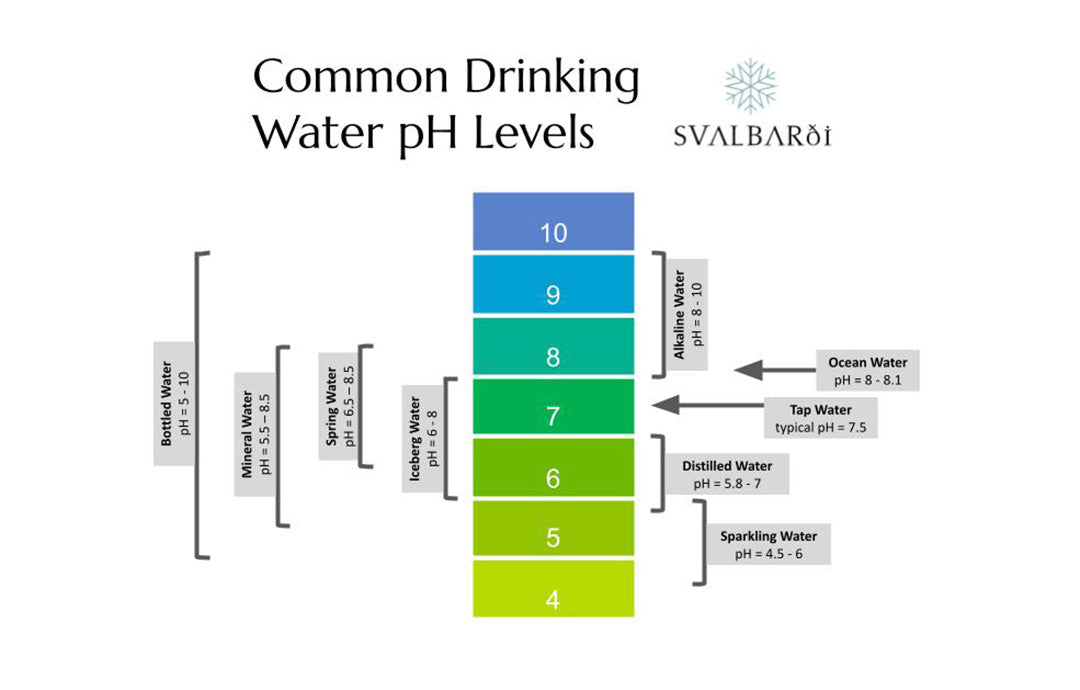
Your tap water? It usually hangs out between 6.5 and 8.5. That’s the sweet spot the EPA recommends. But here’s the kicker: where you live changes everything. City water, well water, mountain water—they all have their own pH personality.
And no, your water isn’t plotting against you. It’s just reacting to whatever it touches on its way to your glass. Isn’t that cozy?
Why Does pH Even Matter? (Besides Dinner Party Bragging)
Okay, let’s be real. If your water is between 6.5 and 8.5, you’re fine. Your body has a built-in buffering system that handles pH way better than any fancy filter. You could drink mildly acidic water all day, and your stomach would just laugh it off.
But if the pH dips below 6? That’s where things get interesting—and not in a good way. Acidic water can leach lead, copper, and zinc from your old pipes. You don’t want heavy metals in your morning coffee, trust me.
On the flip side, water with a pH above 8.5 can taste bitter or “metallic.” It might also leave calcium deposits on your kettle that look like a miniature cave system. (Not the aesthetic you’re going for, I assume.)
 Water pH Explained Easily: What No One Tells You - Household Water Guide
The Great Alkaline Water Myth (Yes, We’re Going There)
You’ve seen the bottles: “Alkaline Water! pH 9.5! Heal your body!” Look, I love marketing as much as the next person, but let’s pump the brakes. Your stomach is extremely acidic—around pH 1.5 to 3.5. Any extra alkaline water you drink gets instantly neutralized the second it hits your gut.
So that fancy $3 bottle of pH-manipulated water? It’s basically a really expensive placebo. But hey, if it makes you feel fancy, drink up. Just don’t pretend your tap water is secretly toxic because it’s a 7.2 instead of an 8.0.
The real question is: what’s in your pipes? Old lead pipes? That’s a problem. Slightly acidic water? Not a problem. See the difference?
Testing Your Tap Water (Without Becoming a Scientist)
You want to know your pH? Grab a test strip kit from a hardware store—they cost like $8. Dip it, wait 30 seconds, and compare the color. It’s literally that easy. (Bonus points if you make dramatic “Eureka” noises.)
If your water is below 6.5, you might want a neutralizing filter. If it’s above 8.5, a simple carbon filter can balance things out. Most people? They don’t need to do anything. Your water is fine.
 What Is The Ph Of Tap Water? : Understanding Water PH Levels, A
But here’s the ironic twist: distilled water has a pH around 7—neutral, right? Except it’s so pure it actually pulls carbon dioxide from the air, making it slightly acidic (around 5.8). So even “pure” water isn’t perfectly neutral. Nothing is perfect, my friend. Not even your H2O.
What Should You Actually Do?
Stop worrying about pH. Seriously. Unless you’re a fish in an aquarium (and if you are, kudos on reading this), your tap water’s pH is probably perfectly fine. Focus on contaminants instead—things like chlorine, lead, or bacteria. That’s what matters.
If you’re really stressed, get a water report from your local utility. It’s free, and it lists everything from pH to the amount of leftover coffee grinds in the reservoir. (Okay, not that last part, but you get the idea.)
And next time your friend complains about the pH in their water? Hand them a glass, smile, and say, “It’s 7.2. You’re welcome.”
Now go drink some tap water. It’s not going to give you superpowers, but it also won’t kill you. That’s a deal I’ll take any day.
