What Is Pure Drinking Water

You turn on the tap, fill a glass, and drink. Simple, right? But behind that clear sip is a surprisingly cool science experiment. Let’s get curious about what pure drinking wa...

You turn on the tap, fill a glass, and drink. Simple, right?
But behind that clear sip is a surprisingly cool science experiment. Let’s get curious about what pure drinking water actually is. Like, really, truly pure.
The Recipe for Nothing
Imagine a glass of water that is only H₂O. No minerals. No chlorine. No tiny plastic particles. No nothing.
Must Read
That’s theoretically pure water. It’s a chemical unicorn. In a lab, scientists make it for experiments, but in nature? You won’t find it.
Even rainwater picks up dust and gases as it falls. So, pure water is an ideal, not a reality.
Why Bother Purifying at All?
If pure water doesn’t exist naturally, why do we chase it? Think of tap water like a stew. It’s full of stuff: minerals for taste, chlorine to kill bugs, maybe some calcium from old pipes.
Purification is about taking out the stuff you don’t want. It’s like straining the chunks out of your soup. The goal isn’t absolute purity—it’s safety and great taste.
The Crazy Toolbox
How do we actually strip water down? It’s wilder than you think. Reverse osmosis, for example, uses incredible pressure to push water through a membrane so tight only water molecules squeak through.
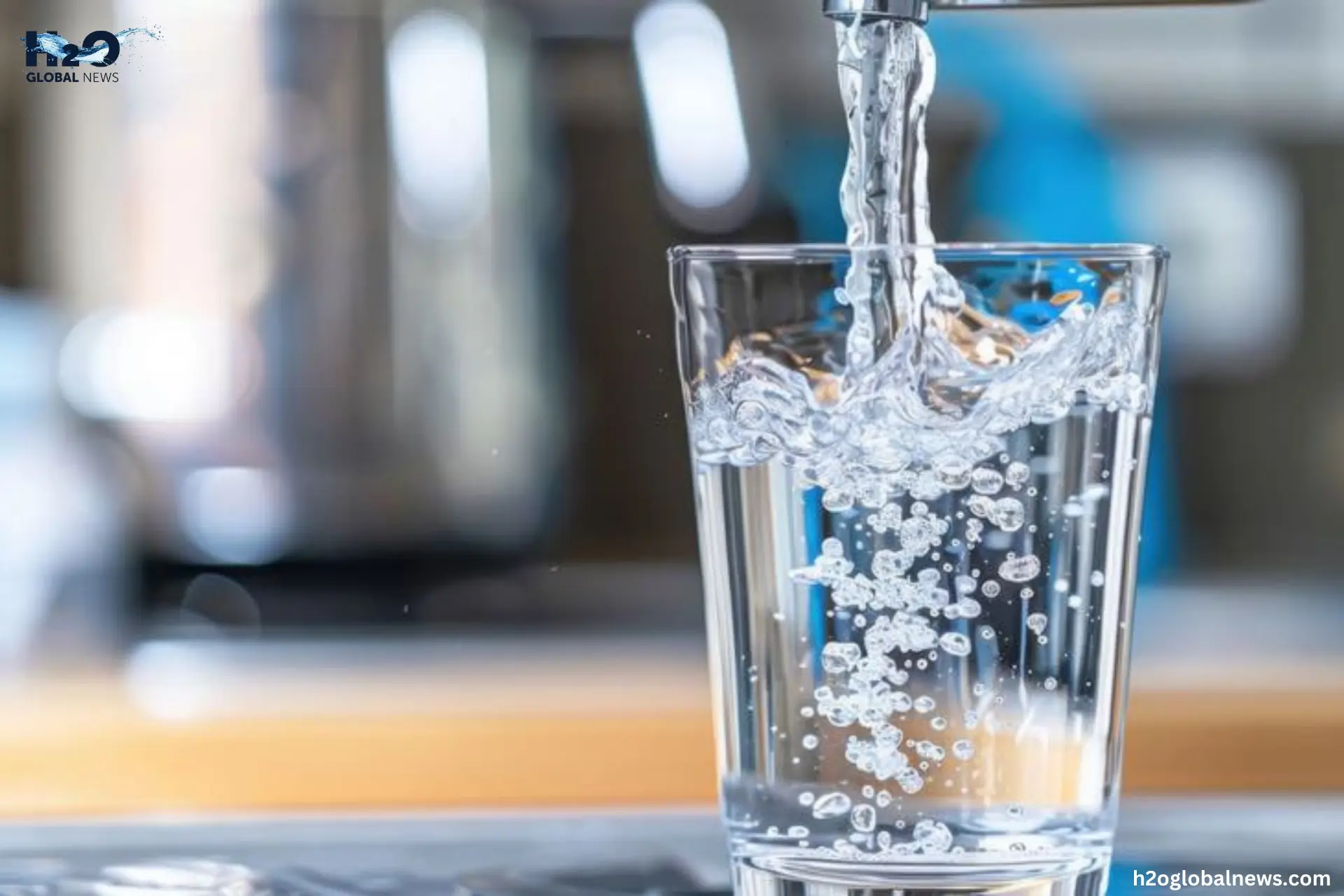 The Ultimate Guide to Ensuring Pure Drinking Water at Home | H2O Global
It’s like a bouncer at a club who only lets in molecules with exactly two hydrogens and one oxygen. Everything else—viruses, pesticides, lead—gets turned away at the door.
Then there’s distillation. You boil water into steam, then cool it back down. The impurities stay behind, like ghosts left in the pot. You get a ghost-clean drop.
Does "Pure" Taste... Boring?
Here’s a weird truth: Pure water tastes flat. Seriously! Natural spring water gets its crisp, refreshing kick from dissolved minerals like magnesium and calcium.
Pure water has none of that. It’s like listening to a song with no bass or treble—just the note. Some people call it “empty.”
That’s why bottled water brands brag about their “mineral profile.” They’re selling a flavor, not just H₂O.
The Coolest Fact About It
Here’s the mind-bender: Even “pure” water isn’t pure for long. The moment it touches air, it absorbs carbon dioxide. That tiny change makes it slightly acidic (pH around 5.5). Water is a chemical sponge for the world around it.
 About Us – Purewater
So, calling water “pure” is really about the journey, not the destination. It’s about what was removed, and what’s left behind.
The most interesting part? We are mostly water. The water in your body right now has been on Earth for billions of years. It’s been through volcanoes, puddles, clouds, and dinosaurs. And now it’s in you.
So, What Should You Drink?
Honestly? Probably just clean tap water. Unless your local supply has lead or nitrates, your body prefers a dash of minerals.
But if you want the silent, empty perfection of absolutely nothing, try distilled or reverse-osmosis water. Just know you’re drinking a lab-grade blank canvas.
It’s like the plain white T-shirt of water—simple, pure, and secretly fascinating. And now you know why.
Next time you sip, smile. That clear liquid is a tiny miracle of chemistry, physics, and human cleverness. Pretty cool, huh?
