What Is Boil Water Advisory

You’re pouring a tall glass of water, and suddenly your phone buzzes with an alert: Boil Water Advisory. Your brain goes, “Wait, what? Is my tap water plotting against me?” It...

You’re pouring a tall glass of water, and suddenly your phone buzzes with an alert: Boil Water Advisory. Your brain goes, “Wait, what? Is my tap water plotting against me?” It feels a bit dramatic, like a weather warning for your pipes. But honestly, it’s not as scary as it sounds—and it’s actually kind of fascinating when you peek under the hood.
So, what’s the deal? A boil water advisory is essentially your local water utility saying, “Hey, just in case, please boil that water before you drink it.” It’s a precautionary move, like putting on a raincoat when the sky looks iffy. The goal is to kill any tiny, invisible hitchhikers—bacteria, viruses, or parasites—that might have snuck into the water supply.
Why does this even happen?
Think of the water pipes in your town like a giant underground highway system. Normally, it’s a smooth, clean commute from the treatment plant to your faucet. But sometimes, a pipe breaks during construction, a storm floods a well, or a pressure drop happens (like when firefighters use a ton of water on a big fire).
Must Read
When pressure drops, it’s like opening a window in a busy subway car—dirty outside stuff can seep in. That’s the moment the advisory pops up. It’s basically the water company saying, “We’re being extra careful; please help us out by boiling.”
But why boiling? Isn’t water already treated?
Great question! Your tap water usually leaves the treatment plant perfectly clean, but the journey through old pipes or temporary cracks can invite trouble. Boiling is like giving the water a superhero sauna—one good, rolling boil for about one minute (or three if you’re on a mountain) and poof, any germs are cooked to death.
It’s the same logic as why you cook chicken instead of eating it raw. You’re not afraid of the chicken—you’re just making sure it’s safe. Boiling water is that simple, low-tech life hack that’s saved humans for centuries. Kinda cool, right?
When does the advisory get serious?
Most advisories are what pros call “precautionary”—they’re like a false alarm drill. The utility might find a small leak, test the water, and give the all-clear within 24-48 hours. But sometimes, a “Do Not Drink” notice appears, which means the water might have chemicals or toxins that boiling won’t fix. That’s rare, though, like a thunderstorm in the desert.
 Boil Water Advisory update - Sept. 10 - Great Bend Tribune
For the common boil notice, you just need to boil water for drinking, brushing teeth, making coffee, or washing fruits. Yes, even your iced tea gets boiled first—then chilled. It’s a tiny hassle, but think of it as a temporary camping trip in your own kitchen.
Interesting science fact incoming!
Here’s the part that blew my mind: many boil water advisories happen because of a problem called cryptosporidium. That’s a tiny parasite that can survive regular chlorine treatment, but it cannot handle a good boil. So boiling is basically the ultimate bouncer at the club, kicking out the tough guys.
Also, you know when people say, “Don’t drink the tap water in a new country”? Same idea. Advisories are like the city saying, “We got your back, but let’s be cautious today.” It’s a sign that the system is working—they’re telling you before you get sick.
What should you actually do during one?
First, don’t panic. Fill a big pot with tap water, bring it to a rolling boil, and let it bubble for a full minute. Let it cool, then store it in a clean container. Use that for drinking, cooking pasta, or even giving water to your pets (they’re family, after all).
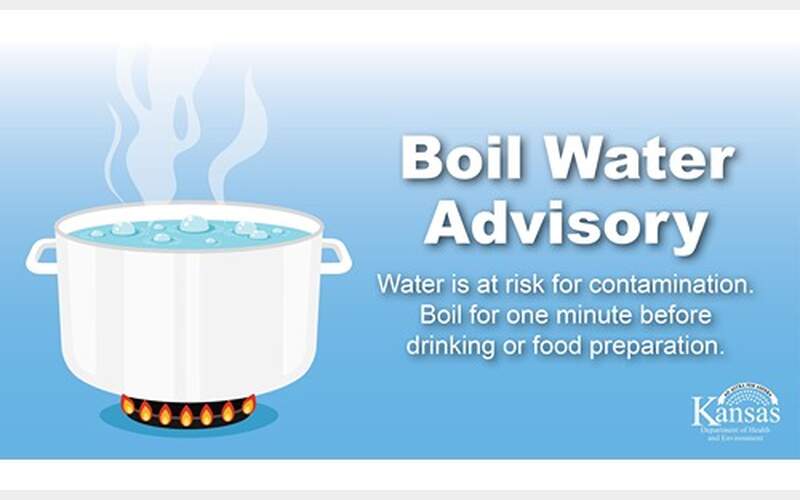 Boil Water Advisory Issued for the City of Burns, Marion County – Ad
For showers, you’re fine as long as you don’t swallow the water. Think of it like swimming in a pool—you might splash, but you don’t gulp it. Same goes for washing dishes: use hot, soapy water, then rinse with boiled water or a splash of bleach solution. Easy peasy.
Oh, and ice cubes? Toss them. They were made before the advisory, so they’re suspect. It’s a bummer, but it’s temporary. Plus, you get to pretend you’re in a survival movie for a day.
The fun comparison you didn’t know you needed
A boil water advisory is like a software update for your pipes. It’s annoying, takes a little time, and you can’t skip it—but afterward, everything runs smoother. It’s also a bit like a fire drill at school: you roll your eyes, walk outside, but you’re secretly glad someone is looking out for you.
In the end, these advisories are a reminder that our invisible infrastructure is actually pretty amazing. Clean water is something most of us never think about until a notice pops up. So next time you get one, just swap your coffee for boiled tea, and give a little nod to the people testing your water at 3 AM. They’ve got you covered.
Stay hydrated, stay calm, and boil on, friends.
