What Is Tds Meter For Water

So, you’ve seen one of those little black or white pen-like gadgets floating around your friend’s kitchen or maybe in a hydroponic setup. That, my friend, is a TDS meter. It s...
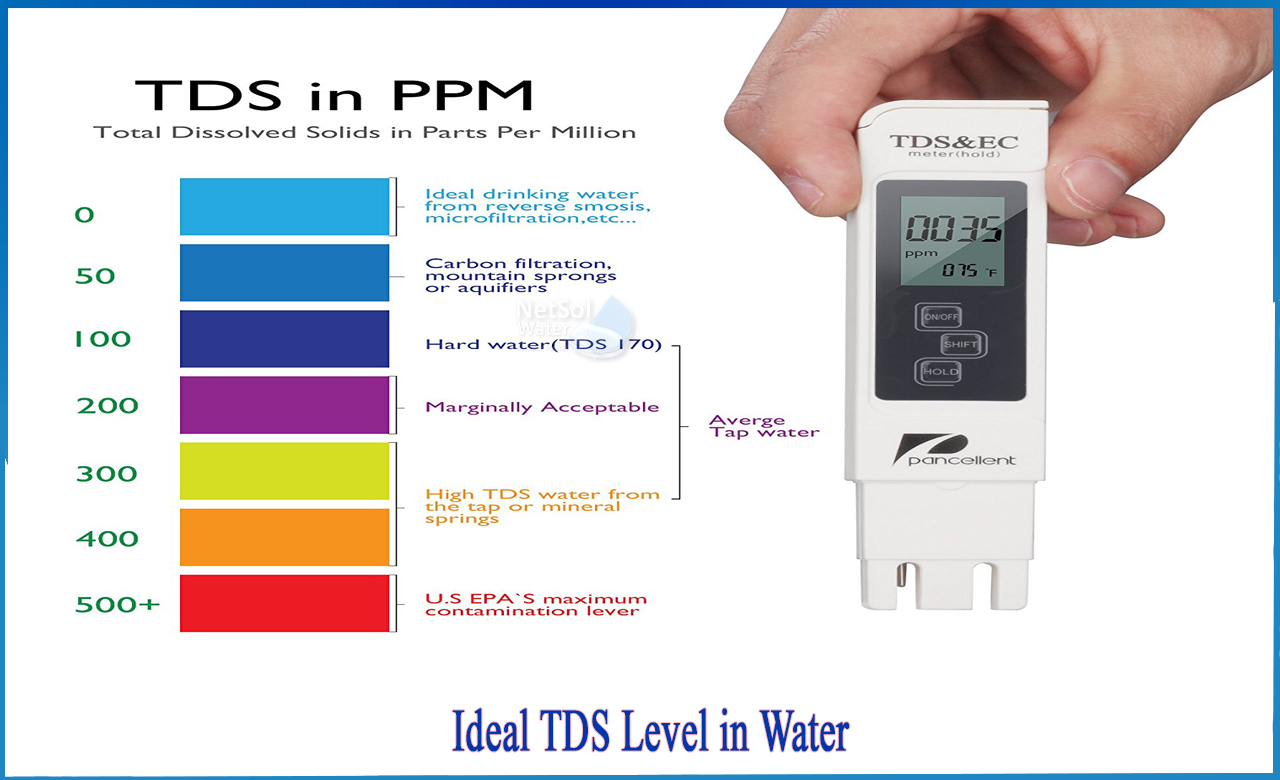
So, you’ve seen one of those little black or white pen-like gadgets floating around your friend’s kitchen or maybe in a hydroponic setup. That, my friend, is a TDS meter. It sounds like something from a sci-fi lab, but it’s actually a super simple tool that tells you how many invisible particles are hanging out in your water.
What does TDS even mean?
TDS stands for Total Dissolved Solids. Think of it like this: water is a master hitchhiker, picking up minerals, salts, and metals as it travels through rocks and pipes. The TDS meter gives you a number—usually in parts per million (ppm)—of how much stuff is dissolved in that glass.
Is that a bad thing? Not always. A little TDS is normal—even healthy water has some. But a very high number might mean your water is a bit too "souped up" for your taste or your gear.
Must Read
Why should you care? It’s actually pretty cool.
Imagine you’re watering your prized houseplants, and they’re looking sad. You might blame the light, but a TDS meter can reveal the real villain: mineral buildup from tap water. It’s like a detective for your watering can!
Or think about your kettle. Ever notice that white, crusty scale inside? That’s calcium and magnesium—aka TDS. A quick dip with your meter tells you exactly how hard your water is, so you know why your coffee maker is throwing a tantrum.
For the coffee nerds out there, TDS is a secret weapon. A perfect cup of coffee needs water with a specific TDS range—too low, and it tastes flat; too high, and it turns bitter. Your meter becomes the gatekeeper of a glorious brew.
How does this little thing work?
It’s almost magic: the meter sends a tiny electrical current between two metal probes. Water that’s full of dissolved solids conducts electricity better than pure H2O. The meter measures that conductivity and converts it to a TDS reading.
No, it won’t shock you—the current is incredibly small. It’s like a shy little spark asking your water, "Hey, what’s your secret?" and getting the numbers back.
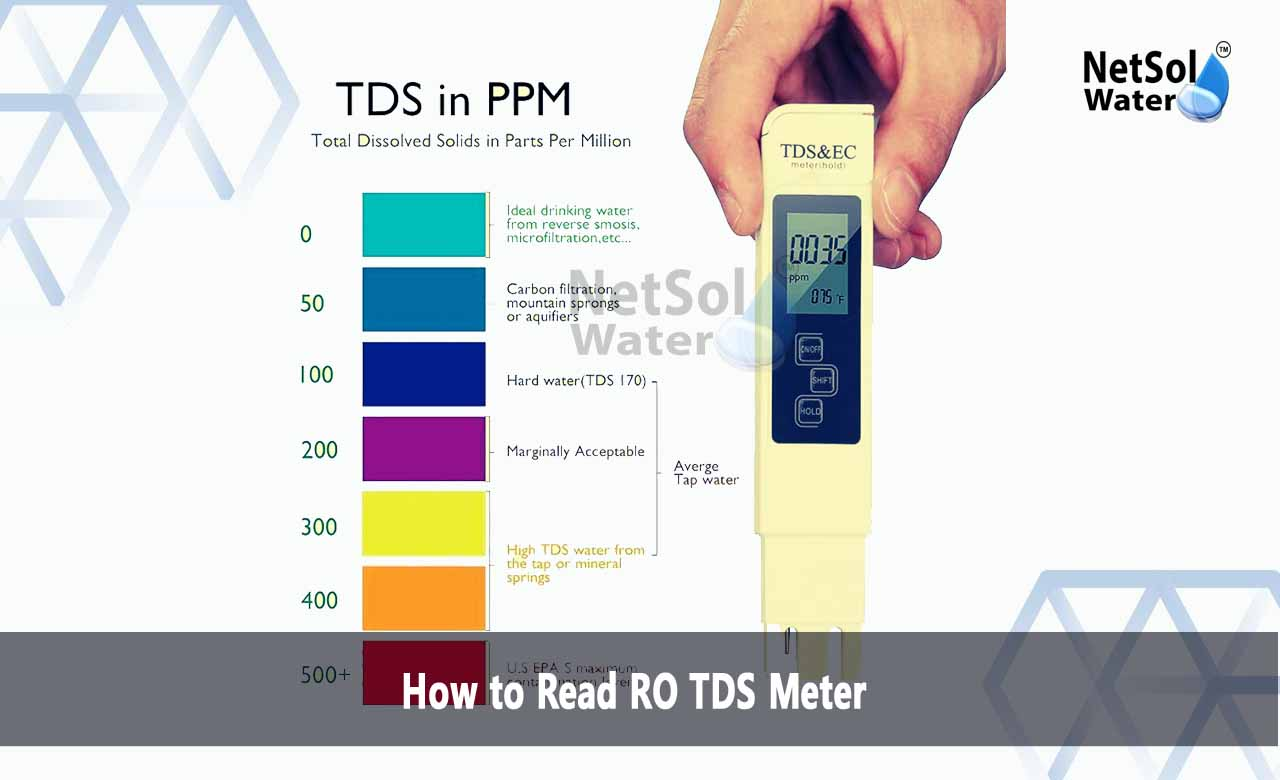 TDS METER - Agrawal Total Solution
Just remember, a TDS meter cannot tell you what those solids are. It won’t detect bacteria, viruses, or specific toxins like lead. It’s a count, not a identity card.
Real-world fun: testing everything
You’ll start testing everything like a mad scientist. Your tap water? 150 ppm. Bottled spring water? 250 ppm. Distilled water? Almost zero! It’s oddly satisfying to see the numbers change.
Ever wonder why your aquarium fish look stressed? High TDS can be a sign of waste buildup. Using a meter helps you keep that tank as clean as a hotel swimming pool. Your fish will thank you with happy wiggles.
For the outdoorsy folks, test a stream versus your rain barrel. Rain water often reads under 20 ppm—pure and hungry. Stream water might hit 100 ppm, full of natural minerals. It’s like comparing a blank canvas to a painting.
But wait—isn’t zero TDS better?
Not exactly. Water with zero TDS (like distilled water) is so pure it can actually pull minerals out of your body or pipes. It tastes flat too—like drinking a blank stare. Most health experts say a little TDS is fine, even good.
 QNCIGER TDS Meter, Digital Water Quality Tester with Automatic
The sweet spot? For drinking, 30–150 ppm is often considered tasty and balanced. For hydroponics, you might want 800–1500 ppm with added nutrients. Your meter tells you if you’re in the zone.
So, no, you don’t need a TDS meter to survive. But it’s a curious tool that turns a glass of water into a tiny mystery. You start noticing the invisible world around you.
Final sips of wisdom
If you buy a TDS meter, expect to spend about ten bucks. They’re cheap, durable, and run on watch batteries. It’s one of those gadgets that makes you feel like you’ve unlocked a secret level of life.
Next time you’re sipping water, don’t just taste it—measure it. Ask your meter: "How’s the party in there?" The answer might surprise you. And hey, if nothing else, it’s a fun conversation starter at dinner.
So go ahead, grab a TDS meter. Dip it into your tap, your aquarium, your coffee pot. You’re not being obsessive—you’re just curious. And that’s what makes life tasty.
