How To Identify Still Water

Let’s be honest: you’ve probably stared at a puddle, a pond, or a forgotten coffee mug and wondered, “Is this water alive, or is it just being lazy?” We’re not talking about b...

Let’s be honest: you’ve probably stared at a puddle, a pond, or a forgotten coffee mug and wondered, “Is this water alive, or is it just being lazy?” We’re not talking about bottled water here—we’re talking about still water, the stuff that’s been sitting around long enough to think about its life choices. Identifying it is part science, part art, and part sheer, glorious paranoia. Grab your detective hat; we’re diving in.
The Visual First Impression
Your eyes are your first weapon. Still water doesn’t move—it’s the couch potato of the liquid world. If you see ripples from a breeze, a fish, or a child throwing a rock, that’s moving water, and it’s showing off.
Still water is like a mirror that’s given up on life. It’s perfectly flat, sometimes with a creepy, oily sheen that looks like a unicorn’s bad hair day.
Must Read
Look for scum. If the surface has a greenish, brownish, or rainbow-colored film that doesn’t move when you yell at it, congratulations—you’ve found still water. Algae and bacteria are throwing a slow-motion rave on top.
The Smell Test (Proceed with Caution)
Alright, brave soul, this is where you risk your dignity. Still water doesn’t smell like a mountain spring—it smells like old socks, wet earth, and regret. The technical term is “anaerobic decay,” which is science-speak for “things died in there and nobody cleaned up.”
Take a careful, gentle sniff from a safe distance. If you get a whiff that reminds you of a swamp, a basement, or last week’s gym bag, you’re on the right track. Real still water has a personality that says, “I’ve been here longer than you, and I’m not going anywhere.”
Don’t huff it like you’re trying to get high. One deep breath of stagnant water bacteria can send you to a place where your doctor uses the word “infection” a lot. Be curious, not stupid.
The Touch Test (For the Truly Brave)
Dip your finger in—but only if you’re okay with a story. Still water feels thick, almost slippery, like you’re touching the skin of a drowsy dragon. Moving water feels crisp and clean; still water feels like it’s been marinating in secrets.
If your finger comes out covered in a slimy, greenish goo, you’ve hit the jackpot of stagnation. That’s called “biofilm,” and it’s a tiny city of microbes that haven’t paid rent in months.
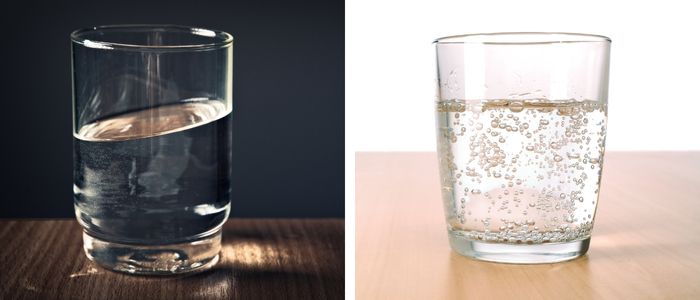 Still Water
I once tested a puddle that felt like touching a tired slug wearing a velvet suit. It was still water, no doubt. My hand smelled like compost for three days. Worth it for science.
Look for Life (The Lazy Type)
Still water is a five-star hotel for certain creatures. If you see mosquito larvae—those little wiggly things that look like tiny, drunk inchworms—you’ve found the real deal. They only live in water that doesn’t mind a long, static vacation.
Check for pond skaters, those insects that walk on water like Jesus on a budget. They love still water because it’s easier to stand on without falling over. If you see a water strider doing a slow, bored dance, that’s ambient stillness.
Frogs and turtles also prefer still water. If you spot a bullfrog giving you a judgmental stare from his lily pad, he’s basically yelling, “Stop splashing, this is my meditation area.”
The Bubble Test (Don’t Laugh)
Drop a small pebble into the water. If the ripples spread out sluggishly, like molasses trying to hold a conversation, that’s still water. Moving water would scatter the ripples immediately because it’s busy going somewhere.
Now, blow gently on the surface. Still water forms big, lazy bubbles that sit there for a few seconds before poofing into existence. Moving water would just sneer at you and keep going. It’s rude like that.
 What is Still Water? | Culligan Quench
A fun fact: absolutely still water in a lab can be “superheated” beyond boiling point without actually boiling. One tap and it explodes into steam—so never trust a puddle that looks too calm. It might be waiting for a dramatic exit.
The Time Traveler’s Test
Ask yourself: how long has this water been here? If the answer is “seems like since the Jurassic period,” it’s still. Rainwater that falls into a tire track and stays there for a week becomes a micro-ecosystem. A stream that flows is like a gym bro: always moving, never smelling.
Check for debris. Still water collects leaves, twigs, and dead bugs like a hoarder’s garage. Moving water would have washed that trash downstream two days ago. If you see a leaf that’s been floating in the same spot for three weeks, that leaf has made peace with its fate.
A surprise fact: still water is rarer than you think. Most natural water bodies have some current because the earth is always tilting just a little. True, dead-still water usually only exists in puddles, abandoned bird baths, and your own toilet tank (don’t ask how I know that last one).
The Final Judgment
To sum up: still water is flat, smelly, slimy, full of lazy bugs, and smells like a wet secret. It does not move, it does not care, and it will probably give your skin a rash if you stay too long. It’s the water equivalent of a teenager who’s declared they’re “not getting out of bed today.”
But here’s the kicker: still water is vital for life. Without ponds and marshes, half the planet’s amphibians, insects, and migrating birds would starve. That murky, stinky puddle is a nursery for frogs, a spa for dragonflies, and a battlefield for microscopic monsters.
So next time you see a glassy, unmoving pool of water, don’t just avoid it—respect it. Give it a nod. It’s been sitting there longer than you, and it’s not going anywhere. Unless you accidentally kick it. Then, you’re the one who’s wet.
