How To Reduce Pool Chlorine

There are few things more refreshing than the first dive into a cool, clear pool on a scorching summer afternoon. But that blissful moment can be quickly ruined by the harsh,...

There are few things more refreshing than the first dive into a cool, clear pool on a scorching summer afternoon. But that blissful moment can be quickly ruined by the harsh, chemical smell of chlorine that clings to your skin and stings your eyes. It’s a universal sign that someone, somewhere, has been overzealous with the sanitizer. The good news? You don’t have to sacrifice crystal-clear water for a gentler experience.
Let’s be real: chlorine is the unsung hero of public health, keeping our favorite swimming holes free of bacteria and algae. It works tirelessly, breaking down contaminants before they can make us sick. But when levels spike—often due to heavy use, hot sun, or just a clumsy hand—it turns from guardian into a guest that overstays its welcome. The trick is not to banish chlorine entirely, but to master the art of balance.
Why Your Pool Smells Like a Laundry Room
First, a fun little fact: that pungent “chlorine smell” isn’t actually chlorine at all. It’s chloramines, a chemical compound formed when chlorine mixes with sweat, sunscreen, urine, and other organic matter from swimmers. The stronger the smell, the more contaminants are in the water, not the more chlorine. Think of it as your pool throwing a temper tantrum because it’s overworked.
Must Read
This is where most people make their first mistake—they smell the odor and dump in more chlorine. Instead, you should be looking to oxidize the impurities. A classic approach from Olympic pool managers is a “shock treatment,” but there’s a smarter, more modern way to do it without nuking the water. The goal is to let the chlorine breathe, not to smother it further.
Tip #1: Sunlight is Your Best Friend
Mother Nature offers the most elegant solution, and it’s completely free. Ultraviolet (UV) rays from natural sunlight break down chlorine molecules in about two to four hours. If your pool is uncovered on a sunny day, you can often drop chlorine levels by 50% or more without lifting a finger. It’s the lazy person’s guide to perfect water chemistry.
This means a simple swim in the afternoon naturally regulates your pool. It’s a beautiful, self-correcting ecosystem. Just be mindful that if you want to swim later that same day, you may need to wait until sunset for levels to stabilize. Use a test strip to check—if it’s above 4 ppm, just keep swimming or let the sun work its magic for a few more hours.
 Lower Pool Chlorine Now: Simple Steps You Won't Believe! - Howspruce.blog
Tip #2: The Cold Water Trick
Here’s a science-y hack that feels like cheating. Chlorine becomes less aggressive in cooler water. If you have a pool heater, turning it down by just 10 degrees can lower the effective chlorine level significantly. It doesn’t remove the chemical, but it calms it down, making the water feel softer on your skin and eyes.
Think of it like a hyperactive dog—chlorine is more volatile when it’s hot. Cooling the water reduces its reaction rate. For an instant fix, simply add a few bags of ice from the cooler. This is a great party trick for an afternoon dip when you don’t want to wait. It’s a fleeting solution, but perfect for a spontaneous swim.
When You Need a Quick Fix
Sometimes the sun isn’t cooperating, or you’ve just shocked the pool after a big party. In that case, reach for sodium thiosulfate—the magic powder sold at any pool supply store as a “chlorine neutralizer.” A tiny pinch can drop your levels from 10 ppm to a safe 1 ppm in minutes. It’s the emergency brake for your pool chemistry.
But use it sparingly. Too much will strip all the chlorine, leaving your pool vulnerable to algae blooms within 24 hours. A better rule of thumb is to add it in half-teaspoon increments, wait 15 minutes, and test again. It’s a powerful tool, not a crutch. For those who prefer a more natural route, hydrogen peroxide (the 3% drugstore kind) also neutralizes chlorine, though it’s slower. Pour a cup per 1,000 gallons and let it circulate.
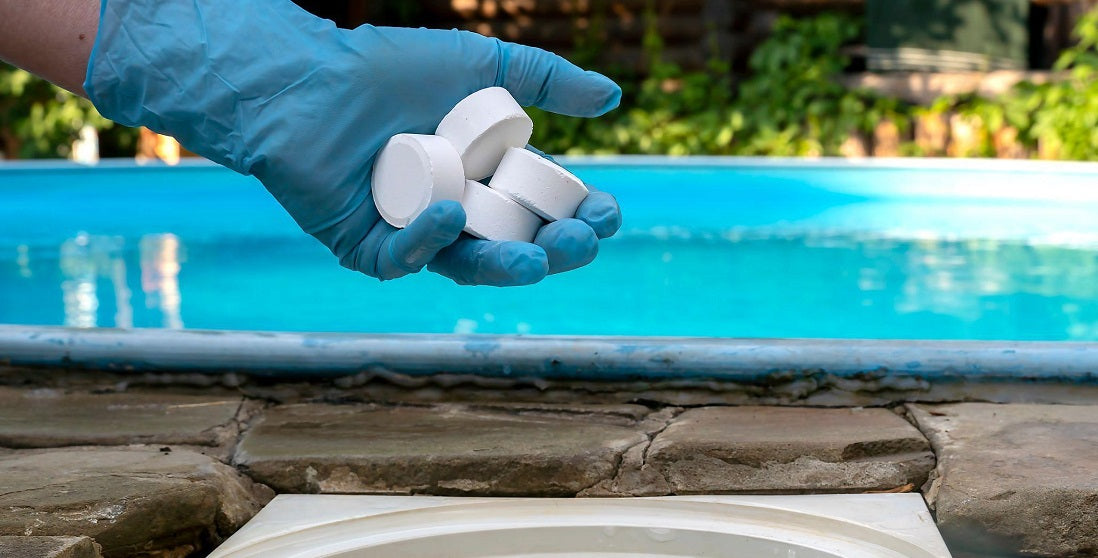 How to Lower Pool Chlorine - 5 Methods That Work
The Cultural Pool Party
Consider the French approach to swimming: at the Les Bains des Pâquis in Geneva, they strongly discourage the use of harsh chemicals, relying instead on a constant flow of fresh lake water. While you can’t swap your backyard pool for a Swiss lake, you can mimic that ethos. Install a UV-C filter or an ozone generator—these gadgets use light and oxygen to sanitize, drastically reducing the need for chlorine. It’s the pool equivalent of upgrading from a landline to a smartphone.
Even a simple floating cover helps. It prevents debris and sunlight from disturbing your chemistry, meaning you need less chlorine to maintain a baseline. Less chlorine in the bottle equals less chlorine in your hair and swimsuit. It’s a win for your sanity and your swim trunks.
A Final Splash of Perspective
Reducing pool chlorine isn’t just about comfort—it’s about reclaiming the pool as a place of ease, not a chemistry experiment. We often over-manage our environments, piling on solutions that create more problems. A little patience, a little sunlight, and a thoughtful tool can restore that effortless feeling of floating.
Next time you smell that sharp, chemical sting, don’t reach for more chemicals. Step back, test the water, and remember that the best pool feels like a natural swimming hole—clean, but not clinical. Let the water breathe, and so will you. After all, isn’t the whole point of summer to simplify, cool down, and just be?
