How To Check For Hard Water

You know that feeling when your soap just won’t lather, or your dishes look like they’ve been through a flour fight? That, my friend, is the sneaky work of hard water. It’s no...
You know that feeling when your soap just won’t lather, or your dishes look like they’ve been through a flour fight? That, my friend, is the sneaky work of hard water. It’s not dangerous—unless you count the existential dread of a crusty showerhead—but it can be a royal nuisance. Before you grab a chemistry degree or a water-testing robot, let’s do a few silly-but-science-backed checks from your own kitchen.
The Soap-Suds Shuffle
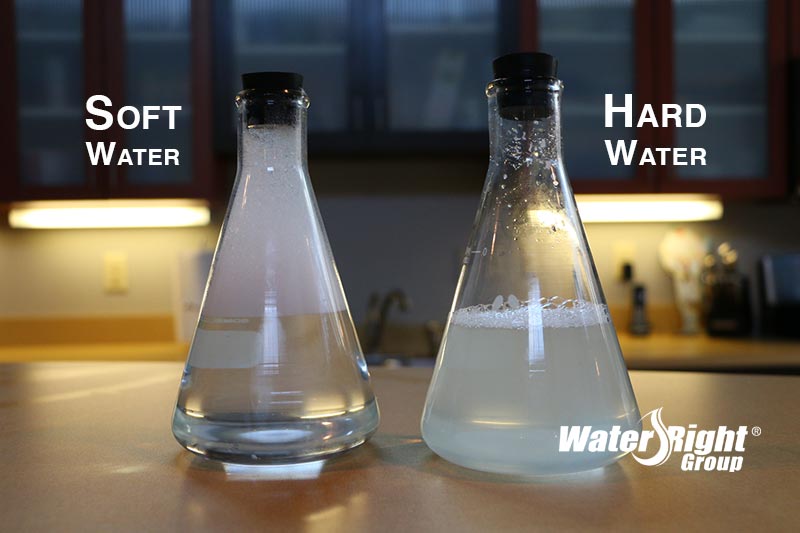
First up: the soap test. Fill a clear water bottle halfway with tap water, add a few drops of liquid soap (not detergent), and give it a good shake. If you see a big, fluffy pile of bubbles—like a cloud you want to nap on—you likely have soft water. If you get a thin, sad layer of foam and a milky mess, congratulations: you might have hard water.
This works because hard water is packed with calcium and magnesium. These minerals literally wrestle with soap molecules, stealing their bubble-making mojo. Think of it as a micro-wrestling match: your soap is a plucky underdog, but the minerals are the tag-team champs. A 2018 study found that hard water can reduce soap’s cleaning power by up to 50 percent—that’s like paying for a full bottle and getting half a bath.
Must Read
The Dish Detective
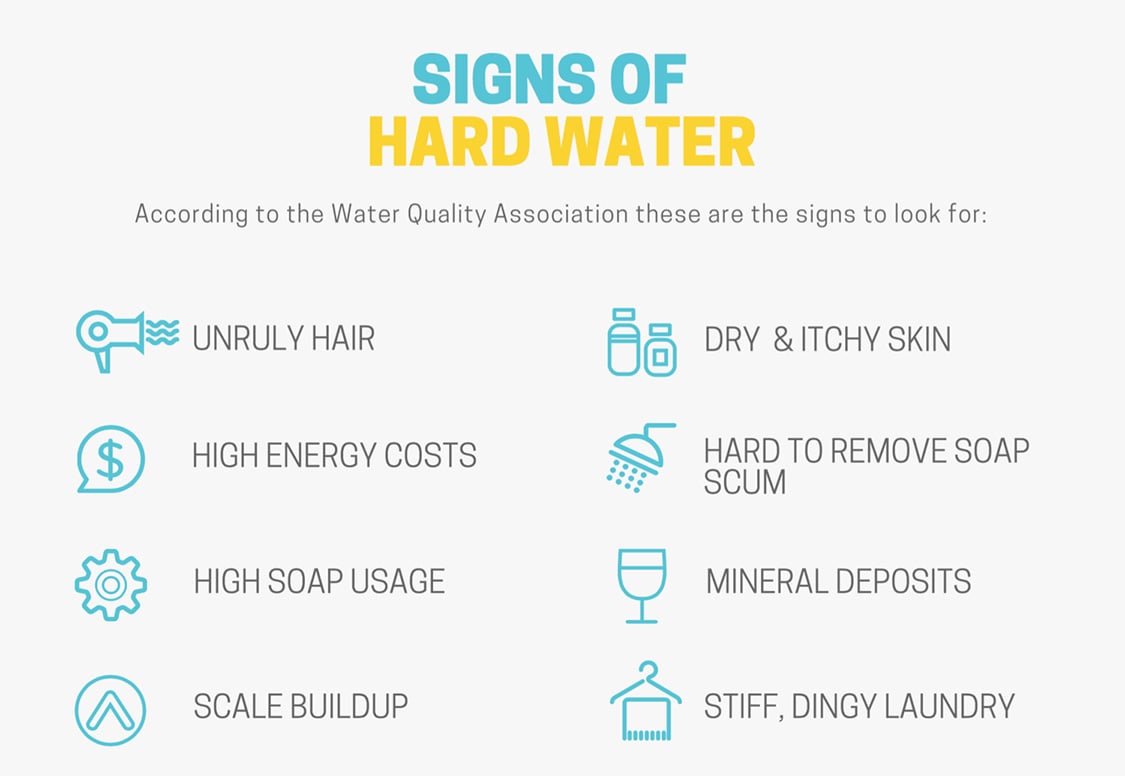
Now, peek at your glassware. If your clear glasses look like they’ve been kissed by a dusty ghost, that’s scale. Hard water leaves behind white, chalky spots called limescale—basically, the mineral skeletons of evaporated water. Run a glass under hot water; if you see rainbow streaks that look suspiciously like a 1980s arcade carpet, you’ve got hard water.
Here’s a pro tip: check your coffee maker. If your morning joe tastes like it was brewed through a limestone cave, your machine is probably hosting a mineral party. A 2015 study from the University of Texas found that hard water can actually damage coffee maker heating elements, giving your caffeine ritual a premature funeral. Don’t let your Keurig die for calcium’s sins.
The Laundry Lament
Your washing machine is snitching on your water. Pull out a white tee after a wash cycle—if it feels stiff, like you laundered a cardboard box, that’s hard water residue. Those minerals cling to fabric fibers like uninvited guests at a pool party. Worse, they trap dirt and detergent, making your “clean” clothes look dingy. Some laundry experts say hard water can shorten fabric life by up to 40 percent. Sorry, favorite hoodie—you’re fighting an invisible battle.
 A Detailed Guide on Hard Water Treatment Systems
And here’s a bonus: your skin. After a shower with hard water, do you feel like you’ve been rubbed with sandpaper? That’s the soap scum forming a film on your skin. It can clog pores and dry you out, which is why some people swear their skin is happier after a vacation with soft water. I’m not saying hard water causes acne, but I’m also not not saying that.
The Faucet Forehead Slap
Check your faucets and showerheads for white crusts that look like fossilized toothpaste. If you can chip it off with your fingernail, you’re looking at limescale. For a dramatic reveal, pour a little vinegar on a cloth and wipe the crust—if it fizzes like a science fair volcano, that’s calcium carbonate reacting. Fun fact: vinegar dissolves limescale because it’s a mild acid, but please don’t drink it to “cure” hard water. Your stomach is not a plumbing pipe.
Surprising fact: hard water isn’t all evil. The US Geological Survey says 85 percent of American homes have hard water, and the minerals are actually essential for bones and teeth. You could argue that your shower is giving you a calcium supplement while you sing off-key. But if the scale gets so thick it blocks your showerhead’s spray, you’ve crossed from “mineral-rich” to “mineral-madness.”
 Why Is There Water In My Soft Water Tank at Jaclyn Glenn blog
The Emergency At-Home Science Lab
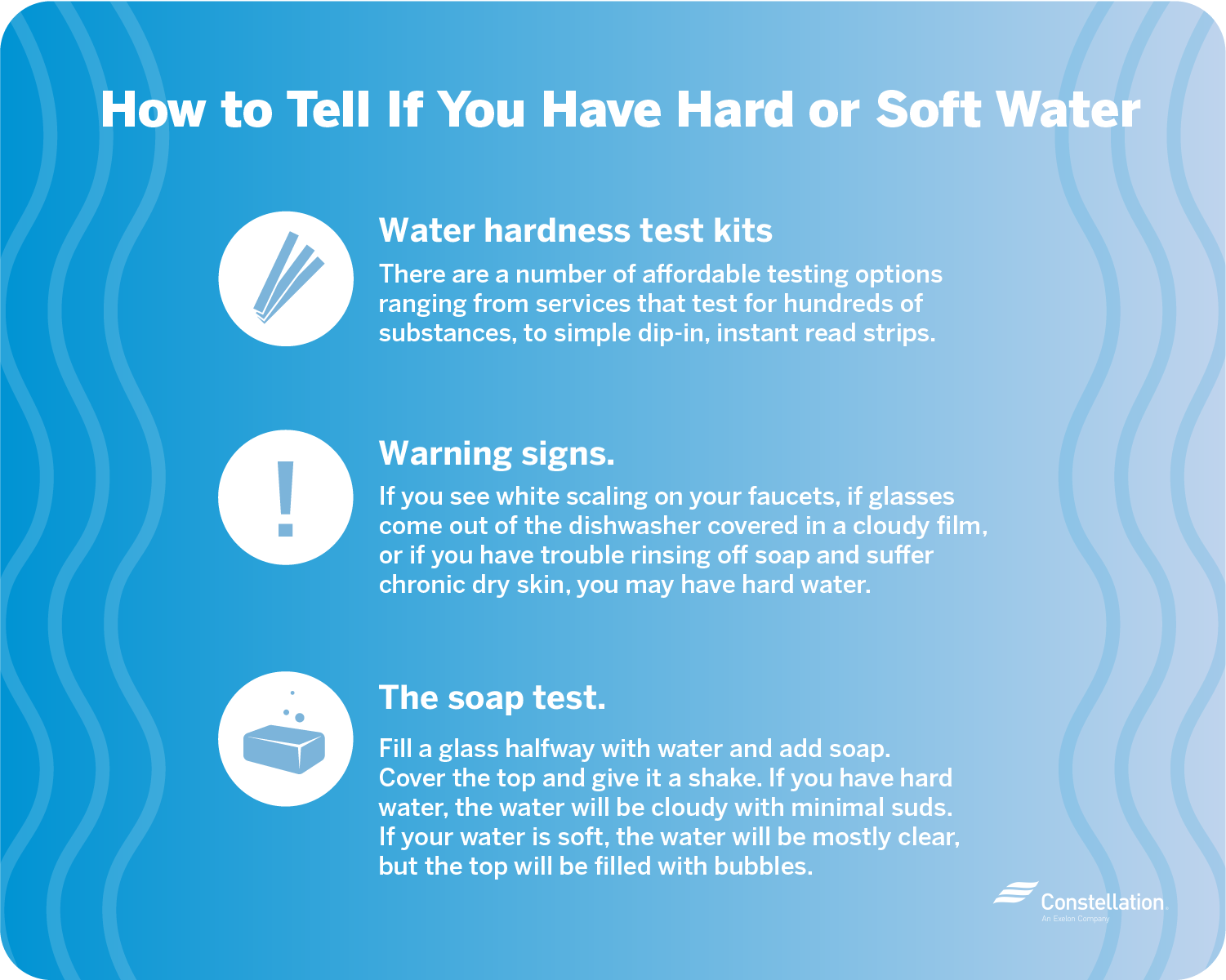
If you want a quick, devious test, grab a water hardness test strip from a hardware store—they’re cheaper than a latte. Dip it, watch the color change, and compare it to a chart. Purple means soft, orange means medium, and a deep red means your water is tough enough to arm-wrestle a plumber. But you don’t even need strips: many local water utilities publish hardness levels online. Check their website while you’re procrastinating on a Tuesday afternoon.
One last trick: boil a pot of water and let it cool. If you see a white film floating on top, that’s the same powder you find in calcium supplements. Hard water literally leaves evidence behind like a clumsy criminal. Just don’t drink the film—it’s harmless, but it tastes like you licked a chalkboard.
So there you have it: you’re now a certified hard-water detective. Armed with dish soap, vinegar, and a suspicious eye on your laundry, you can diagnose the culprit with zero lab coats. And if you do find hard water? Don’t panic. A water softener can fix it, or you can just embrace the limescale and pretend your showerhead is a modern art sculpture. The choice is yours—just don’t blame me when your coffee maker starts plotting revenge.
