How To Use A Water Softener

Let’s be honest—hard water is a bit of a party pooper. You know that white, crusty stuff on your faucets? That’s limescale, and it’s like the uninvited guest who leaves a mess...
Let’s be honest—hard water is a bit of a party pooper. You know that white, crusty stuff on your faucets? That’s limescale, and it’s like the uninvited guest who leaves a mess everywhere. It dries out your skin, makes your hair feel like straw, and slowly ruins your coffee maker. A water softener is the friendly bouncer who kicks that guest out for good.
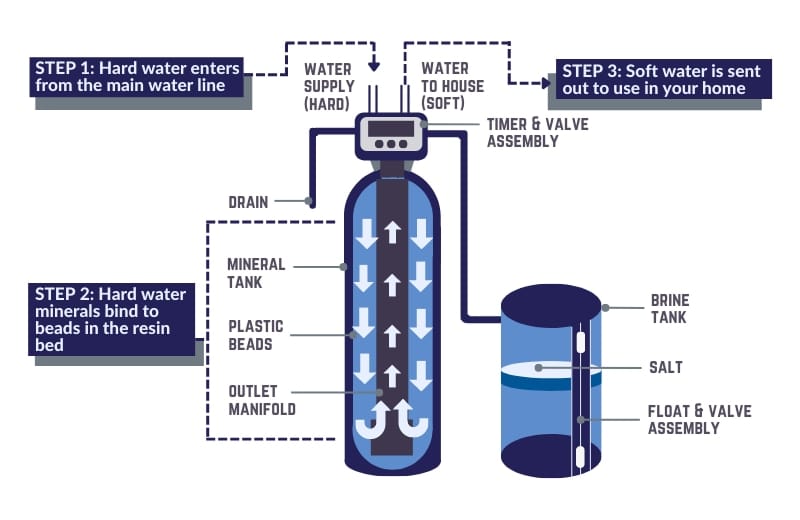
Think of a water softener as a spa treatment for your entire house. Instead of harsh minerals like calcium and magnesium clinging to everything, the machine swaps them for sodium or potassium. The result? Softer water that feels silky, cleans better, and makes your appliances smile.
Getting to Know Your New Best Friend
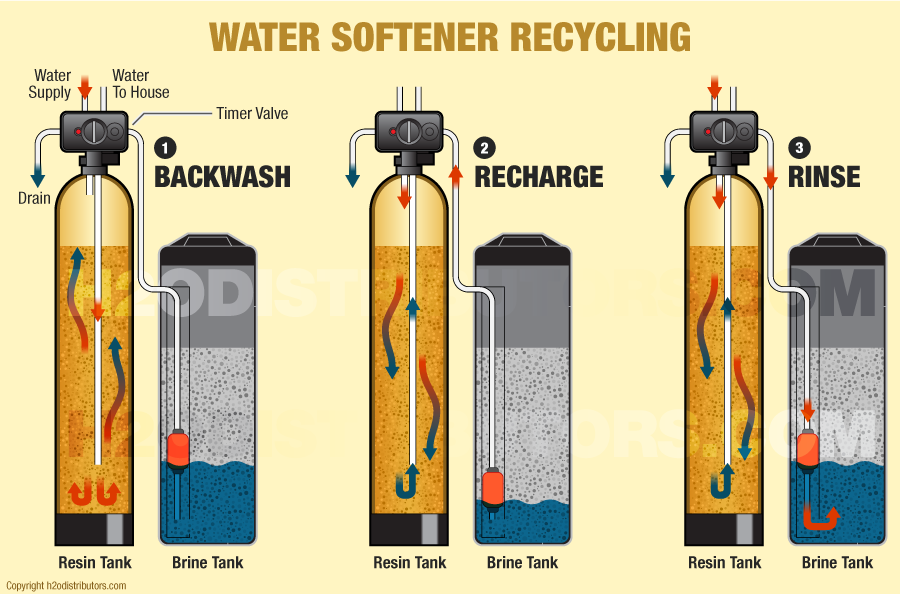
Most water softeners have a few key parts: a resin tank, a brine tank, and a control valve. Don’t let the names scare you—it’s simpler than assembling a piece of flat-pack furniture. The resin tank is where the magic happens, trapping the hard minerals. The brine tank is just a bucket of salt that takes a nap until it’s needed for cleaning.
Must Read
When you first set it up, you’ll need to add salt pellets. Think of it like filling a bird feeder—except this feeder keeps your skin happy and your pipes clear. Most people use standard solar salt or evaporated salt, but check your manual. It’s a quick chore you do once a month, like watering a very lazy plant.
The Secret to Success: Setting It Right
Your softener has a little brain—the control valve—that needs to know about your water. You’ll set the hardness level of your incoming water, usually found on a water test strip. It’s like putting your GPS destination before a road trip: do it right, and the journey is smooth.
Many models also let you set a “regeneration” schedule. Regeneration is when the softener flushes out the captured minerals with salt water. For a family of four, every three to seven days is typical. If you’re a single person with a tiny apartment, once every week or two works fine. It’s like giving your machine a nice, refreshing shower.
Daily Life with Soft Water: The Happiness Report
After the softener is running, the first thing you’ll notice is your shower. Soap lathers like a fluffy cloud, and your skin doesn’t feel like sandpaper afterward. You’ll use less shampoo and body wash—your wallet will thank you, and so will your hair.
 How Does a Water Softener Work? + System Flow Diagram
Then come the dishes. No more cloudy spots on your wine glasses? Yes, please. Your dishwasher will stop looking like it’s been through a blizzard. And if you’re a tea or coffee lover, your kettle will stay limescale-free for months. It’s like getting a brand-new kitchen without spending a dime.
The Laundry Miracle
Have you ever pulled out a white T-shirt that looks gray and feels stiff? That’s hard water clinging to the fabric like a stubborn barnacle. With a water softener, your clothes come out softer and brighter. You’ll use less detergent, too—about half the usual amount. It’s like giving your washing machine a vacation.
Next time you’re folding towels, you might actually enjoy touching them. They’ll feel fluffy, not rough like a cat’s tongue. Seriously, it’s a small joy that makes laundry day less of a drag.
Salt: The Unsung Hero
You’ll need to check the salt level every four to six weeks. Open the brine tank and peek inside—if the salt looks dry and crusty, just break it up with a broom handle. If it’s low, dump in a new bag. Pro tip: always use the same type of salt, or your softener might get grumpy.
Don’t worry about using too much salt. The softener only uses what it needs. Think of it like a salt shaker at dinner—it takes a pinch, not a handful. And if you’re on a low-sodium diet, look for potassium chloride pellets instead. They’re a bit pricier, but they’re health-friendly.
 Do Inline Water Softeners Work at Kevin Davidson blog
A Little Maintenance Goes a Long Way
Once a year, give your softener a quick check. Clean the nozzle and venturi (a small part near the control valve) with a brush and warm water. It takes ten minutes and keeps the machine from getting clogged. It’s like flossing your softener—nobody loves it, but it prevents big problems.
Also, keep an eye on the water in your brine tank. It should be a few inches above the salt, not flooding the tank. If it looks like a swimming pool, something’s off. Call a pro or check your manual—it’s usually a simple fix.
When Life Throws You Hard Water Lemons
Not every house needs a softener. If your water’s hardness is below 5 grains per gallon, you might be fine without one. But if you’re scrubbing limescale every month or your soap just won’t lather, get a test kit. They’re cheap, and the answer will make you grin.
Remember, a water softener isn’t a luxury—it’s a gentle upgrade to your daily rituals. It saves you money on repairs, products, and your sanity. Plus, you get to tell your friends, “My water is softer than a pillow,” and actually mean it.
So go ahead, give your home the gift of soft water. Your skin, hair, and coffee maker will send you a thank-you note. And you? You’ll just smile every time you turn on the tap.
