How To Test For Ph In Water

Let’s talk about water. Not the boring stuff from your tap. The secret life of H₂O. It has a mood, a personality, a pH. And you can test it. Why should you care? Because wate...
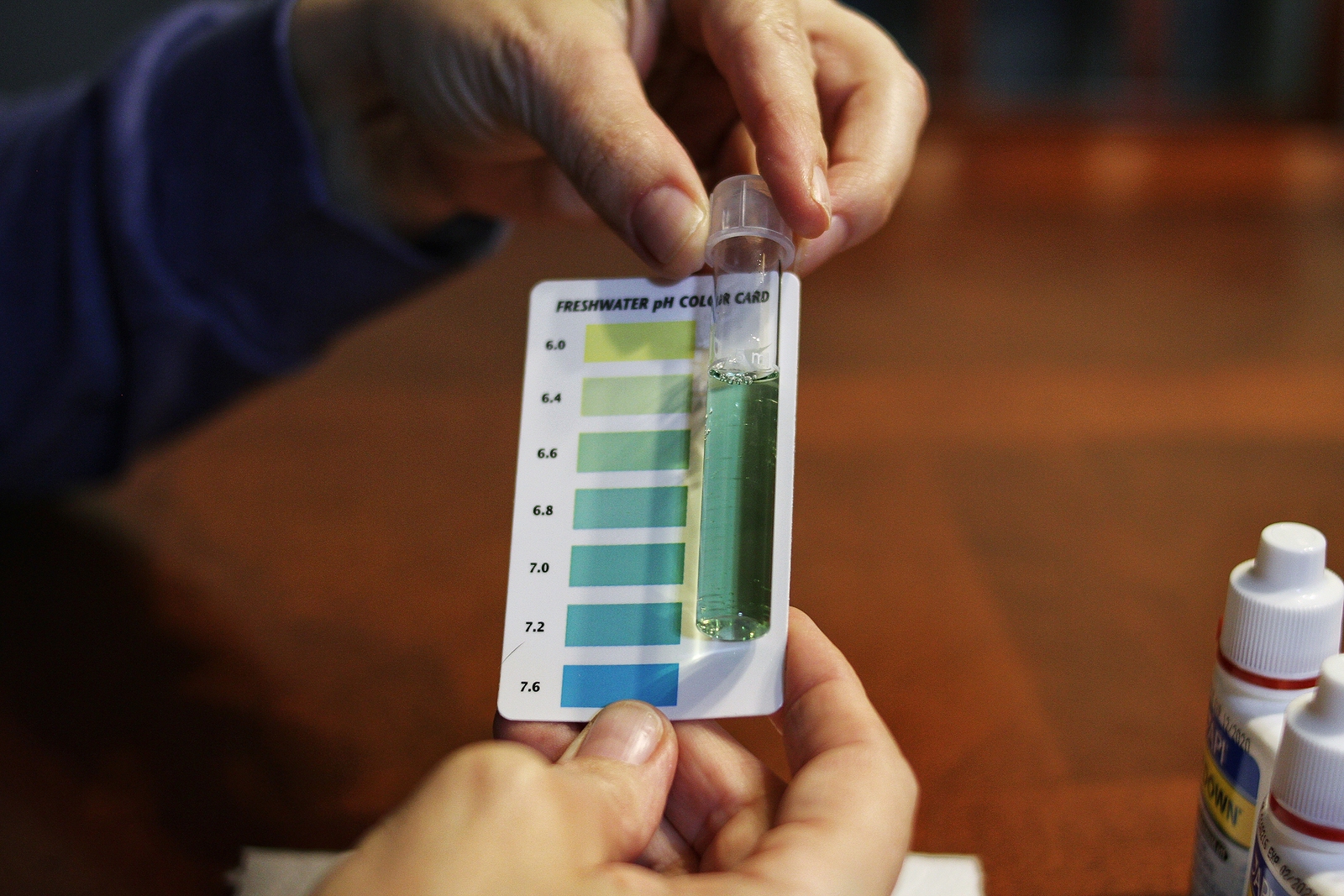
Let’s talk about water. Not the boring stuff from your tap. The secret life of H₂O. It has a mood, a personality, a pH. And you can test it.
Why should you care? Because water can be an acid bully or a base angel. Your fish, your plants, your coffee—they all judge your water’s pH. It’s the silent party guest that ruins everything.
The good news? Testing is dead simple. It’s like playing detective with a chemistry set. No lab coat required. Just a little curiosity and a splash of fun.
Must Read
The Acid Talk: What Even Is pH?
pH stands for “potential of Hydrogen.” Fancy, right? It’s just a scale from 0 to 14. Zero is angry battery acid. Seven is perfectly neutral—like pure, boring bliss.
Fourteen is drain cleaner territory. That’s the “don’t drink this” zone. Your water usually sits between 6.5 and 8.5. But it’s a wild world out there.
Fun fact: Lemon juice has a pH of 2. Your stomach acid is around 1.5. Your tears? A peaceful 7.4. Water is basically a mood ring for your environment.
Your Three-Part Tool Kit
You don’t need a PhD. You need three test methods. Each has its own personality. Pick your vibe.
1. The Strips: The Quick & Quirky
Go buy pH test strips. They look like tiny, sad toothpicks. Dip one in your water for two seconds. Do not stir it like soup.
Wait thirty seconds. A color appears. It could be neon yellow (acid!) or deep blue (base!). Compare it to the color chart. That’s your answer.
Pro tip: These strips are cheap and happy-go-lucky. But they lie if you leave them in too long. They’re drama queens about timing.
2. The Drops: The Scientist Vibe
You get a vial and a bottle of liquid reagent. It feels like a spellbook. Fill the vial with water. Add three drops of the magic liquid.
 How To Test Ph Of Water , Top 3 Methods to Measure pH of Water – PNACAY
Shake it gently. Watch the color shift. Pink means acidic. Green means neutral. Purple means “whoa, that’s basic.” It’s chemistry karaoke.
I once tested my aquarium water and got electric blue. My fish looked betrayed. That’s the power of drops—they make you feel like a wizard.
3. The Digital Meter: The Fancy Nerd
Buy a pH meter. It looks like a thermometer from the future. Stick it in the water. Wait for a number to pop up. Boom. Accuracy.
But here’s the catch. You must calibrate it with special solutions. Skip that step, and your meter will tell you water is spicy. Rookie move.
Digital meters are for people who love precision. They also die if you drop them. Treat them like a fragile, expensive Tamagotchi.
When & Where To Play This Game
Test your tap water. You might find it’s boringly neutral. Or it could be a secret acid party. My friend’s tap in Arizona was pH 8.8. He calls it “desert juice.”
Test your aquarium water. Fish are snobs about pH. Goldfish like 7.5. Discus fish want 6.0. One wrong number and they stage a silent protest.
Test your coffee water. Yes, really. Coffee is naturally acidic (pH 5). But if your water is basic, your coffee tastes like bitter regret. Fix it, and your morning becomes a hero’s journey.
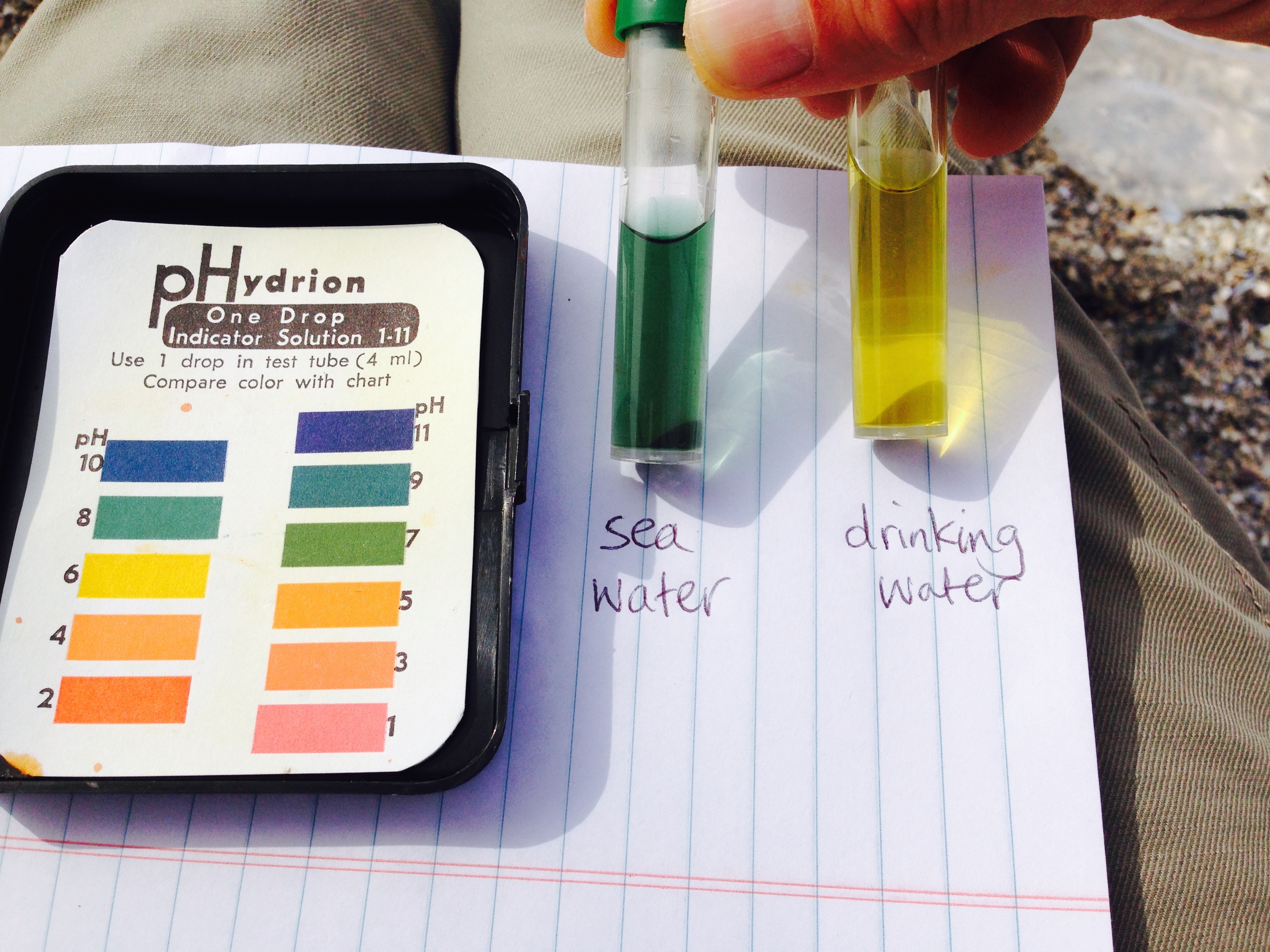 Ph Test For Bottled Water at Jacqueline Sadler blog
Fun, Weird, and a Little Gross
Here’s a party trick. Red cabbage juice is a natural pH indicator. Boil some purple cabbage. Strain it. You get purple water that’s basically a mood ring.
Add lemon juice. It turns pink. Add baking soda. It turns green. You can test your pool with salad ingredients. That’s not science—that’s magic.
I once tested the water in a muddy puddle. pH 6.2. That puddle was healthier than my friend’s coffee. Nature is a comedian.
Mistakes That Will Make You Laugh (or Cry)
Don’t test hot water. The pH reading goes crazy. It’s like trying to measure the mood of a screaming toddler. Wait for it to cool.
Don’t use dirty containers. That old pickle jar has vinegar ghosts. Your results will be “acidic with a hint of dill.” Not useful.
Always test twice. Once is a guess. Twice is a suspicion. Three times is science. Four times is obsession. You do you.
The Payoff: You Are Now a Water Wizard
Once you know your pH, you can fix it. Acidic water? Add a pinch of baking soda. Basic water? Add a drop of lemon juice. You’re the DJ of your glass.
You can save your plants from yellow leaves. You can stop your fish from sulking. You can make your coffee taste like a hug. It’s all in the pH.
So go test that water. Be bold. Be curious. And remember: every liquid has an opinion. You just needed a strip to hear it. Cheers to the chemistry in your cup.
