How To Buy A Water Softener

So, you’ve noticed your dishes look like they’ve been in a bar fight—all spotted and bruised. Or maybe your skin feels like you just scrubbed it with sandpaper after a shower....

So, you’ve noticed your dishes look like they’ve been in a bar fight—all spotted and bruised. Or maybe your skin feels like you just scrubbed it with sandpaper after a shower. Congratulations, you’ve got head-bangingly hard water.
It’s not a crime, but it is a nuisance, like that one friend who always “forgets” to pay you back for lunch. Buying a water softener is your way of saying, “Enough is enough.”
First, admit you have a problem
Hard water is basically liquid chalk sneaking into every faucet in your home. It leaves crusty white deposits on your faucets and makes your laundry feel like stiff cardboard. You’ll find yourself googling “why is my hair crunchy” at 2 a.m.—trust me, I’ve been there.
Must Read
But here’s the good news: a water softener is your household’s personal superhero. It yanks those nasty calcium and magnesium ions out of your water like a bouncer at a sketchy club. You don’t need a degree in plumbing to buy one—you just need to avoid getting overwhelmed by jargon.
Size matters—and not in the way you think
You wouldn’t buy a winter coat for a Chihuahua when you own a Great Dane, right? Same logic applies here. Water softeners are sized by grain capacity, which is fancy talk for “how many gallons of hard water it can treat before needing a nap.”
To figure this out, you need two numbers: your water hardness level (get a test strip from any hardware store) and your household’s daily water use. A family of four with rock-hard water needs a bigger softener than a bachelor who only showers twice a week. Don’t guess this part—guesstimating is what leads to buying a softener that works as hard as a hamster on a wheel.
The three types, or “Which flavor of magic box?”
First up: salt-based ion exchange, the classic workhorse. It’s like the Toyota Camry of water softeners—reliable, affordable, and gets the job done. It uses salt to swap out hard minerals for soft ones, and you’ll need to buy bags of salt every month.
Then there’s salt-free water conditioners, which don’t actually soften water; they “condition” it. Think of it as a chiropractor for your pipes instead of a full body massage. It stops scale from sticking, but your water will still feel a bit hard in the shower.
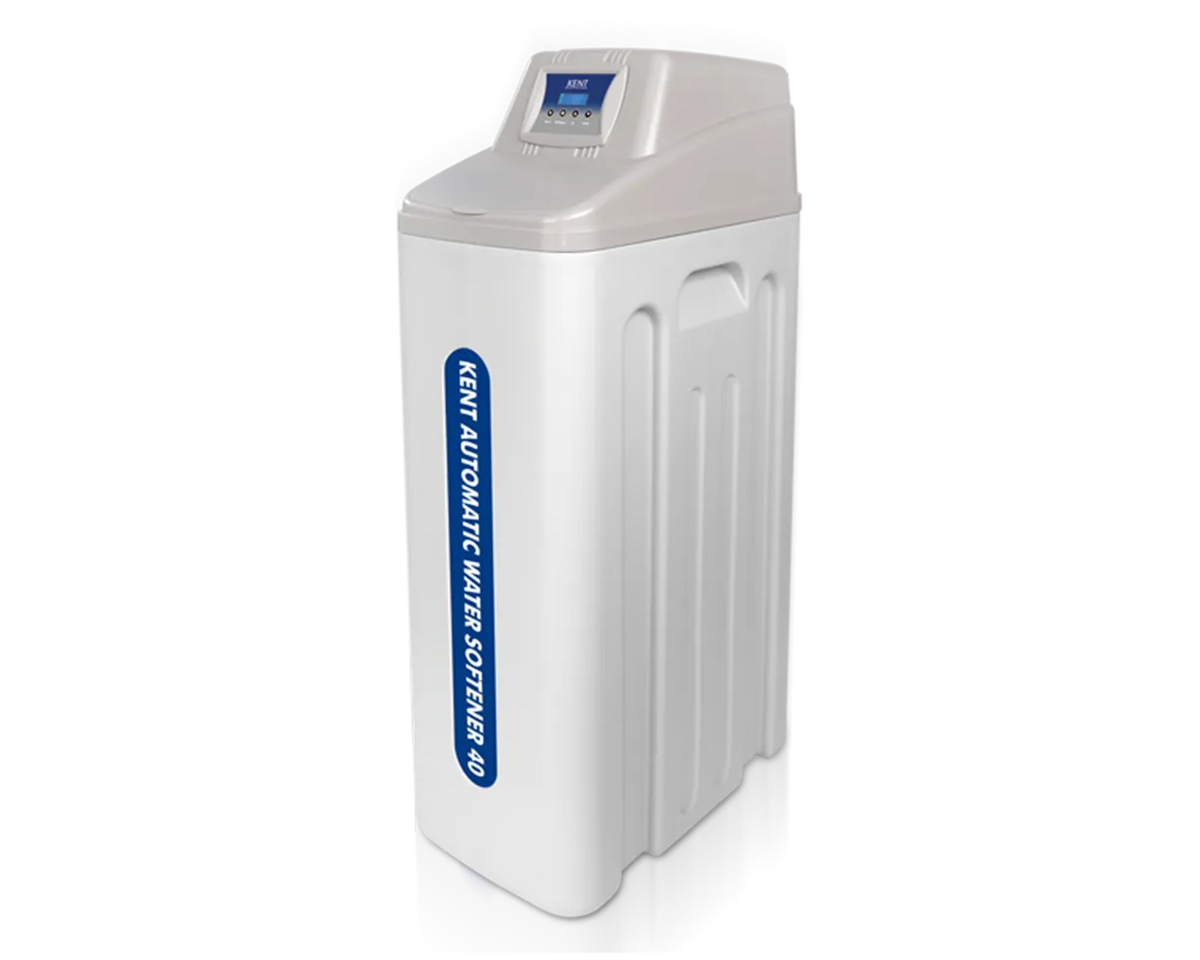 Buy KENT AutoSoft Water Softeners for Hard Water Online
Finally, dual-tank systems for the overachievers. These never run out of soft water, so you can marathon-shower without a care. Perfect for teenagers or partners who think “quick rinse” is a myth. But they cost more—like buying a spa membership instead of a gym pass.
Installation: Are you handy or helpless?
If you can change a tire and assemble IKEA furniture without crying, you might install it yourself. Most softeners come with detailed instructions and a YouTube video that’s 45 minutes too long. But if the sight of a pipe wrench makes you sweat, hire a plumber. It’s worth the cash to avoid flooding your basement and creating an indoor swimming pool.
I once watched my neighbor try to install his own softener. He ended up with a waterfall in his utility closet and a new respect for professionals. Don’t be that guy.
The budget trap—or, “Why you shouldn’t buy the cheapest thing on Amazon”
Look, we all love a bargain. But a $200 water softener from a brand called “AquaPoo” is a disaster waiting to happen. It’ll break in six months, and you’ll spend more on repairs than you saved. Invest in a mid-range model from a known brand like Fleck or GE. It’s like buying a solid pair of boots instead of flip-flops for a hiking trip.
Also, factor in the salt cost. A typical family spends $100–$200 a year on salt pellets. That’s less than your morning latte habit, but still something to budget for.
 Water Softener System Cost Guide: What to Expect (Budget Guide)
Extra bells and whistles—do you need a smart softener?
Some softeners now have WiFi, so you can check salt levels from your phone. That’s useful if you’re the type who forgets to buy milk until the carton is empty. Others have high-efficiency settings that save water and salt, like a hybrid car for your pipes.
But honestly? You don’t need a softener that sends you memes. A basic timer-based model works fine for most homes. Fancy features are nice, but not if they double the price.
The final test—read reviews like you’re picking a movie
Don’t just look at the stars. Read the one-star reviews to see what people hated—like “loud regen cycles” or “customer support ghosts you.” Then read the five-star reviews for the good stuff, like “my tea tastes like heaven now.” Balance it out.
And here’s a pro tip: ask your local hardware store guys. They know which brands work best in your area’s water chemistry. They’re like the bartenders of home improvement—full of wisdom and zero judgment.
Your first week with soft water
The moment you turn it on, you’ll notice. Your skin feels like silk, your hair stops being a frizz monster, and your glasses come out of the dishwasher looking like they’re in a catalog. You’ll pour a glass of water and think, “Wow, this is what water is supposed to be?”
You’ll also use less soap and shampoo because soft water lathers like crazy. Your bathroom will thank you, and so will your coffee maker—no more descaling that annoying basket every month. Honestly, buying a water softener is one of those boring adult decisions that makes you feel like a genius. Go ahead, treat your pipes to a spa day.
