Why Is My Sink Water Brown

So, you turned on the faucet and got a shock: your sink water is brown! Don’t panic—you haven’t accidentally moved into a swamp. This is actually a common, fixable hiccup, and...
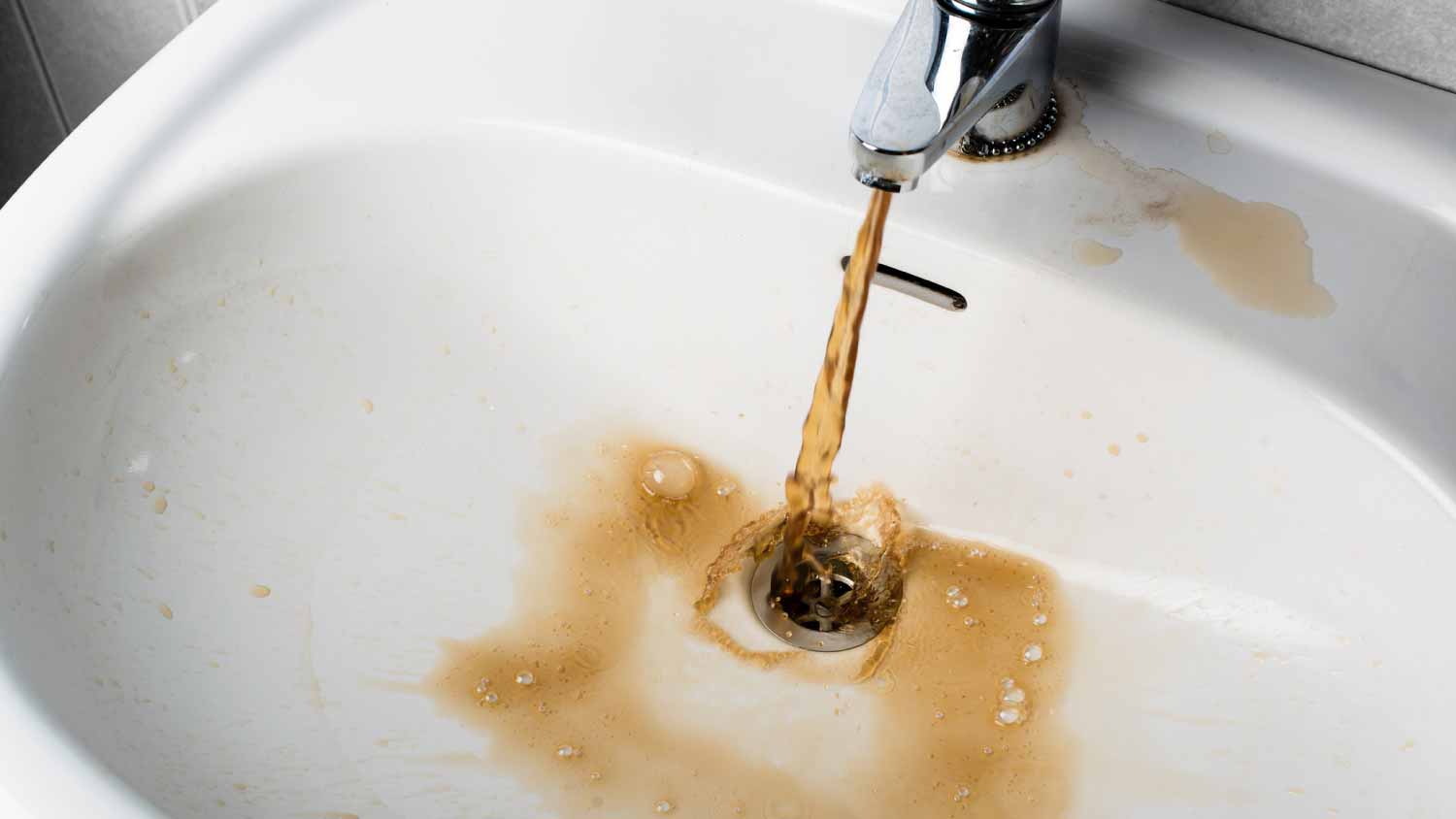
So, you turned on the faucet and got a shock: your sink water is brown! Don’t panic—you haven’t accidentally moved into a swamp. This is actually a common, fixable hiccup, and it’s almost never dangerous.
The Usual Suspects: Iron and Sediment
Your water’s tan or rusty hue is most likely iron or manganese washed loose from old pipes. Think of it as your plumbing giving a gentle, grumpy stretch.
If you’re on a well, this is especially common after heavy rain. The groundwater shifts, stirs up minerals, and boom—brown water for an hour or two.
Must Read
City water users aren’t off the hook! Municipal crews often flush fire hydrants, which shakes loose sediment in the mains. It’s a sign your system is being cleaned, not poisoned.
A Quick Check: Hot vs. Cold
Try this little detective work: run the cold water first. If only the hot side is brown, your water heater might be the culprit—sediment build-up inside it.
If both hot and cold are brown, the problem is in your home’s main pipes or the street supply. Don’t worry—most sediment settles out in a few minutes of running the tap.
Let the water flow for 10–20 minutes, then check again. Nine times out of ten, it clears right up. See? No swamp living required.
Is It Safe? (Spoiler: Yes!)
Brown water is aesthetic, not toxic. That rusty color comes from iron oxide—essentially harmless, though it can stain laundry or your sink.
 Why Is My Water Brown? - A-Absolute Plumbing
You might notice a metallic taste, but it won’t make you sick. Your stomach is tougher than a little rust. Promise.
If you’re still nervous, boil it for a few minutes. Boiling won’t change the color, but it kills any rare bacteria that might have hitched a ride with the sediment.
When to Actually Call the Pros
Call a plumber if that brown water never goes away after 20 minutes of flushing. Persistent discoloration could mean a rusty pipe is about to burst—and that’s a real chat.
Also, if the water smells like rotten eggs and looks brown, you might have sulfur bacteria. A quick water test solves the mystery. Knowledge is power, and action is relief.
For well owners, consider a sediment filter or an iron-removal system. They’re affordable, easy to install, and make your water crystal clear again.
Turn a Brown Sink Into a Fun Science Lesson
Here’s the twist: brown water is a perfect conversation starter. Next time a guest sees it, say, “Oh, that? Just my pipes doing their morning exercises.”
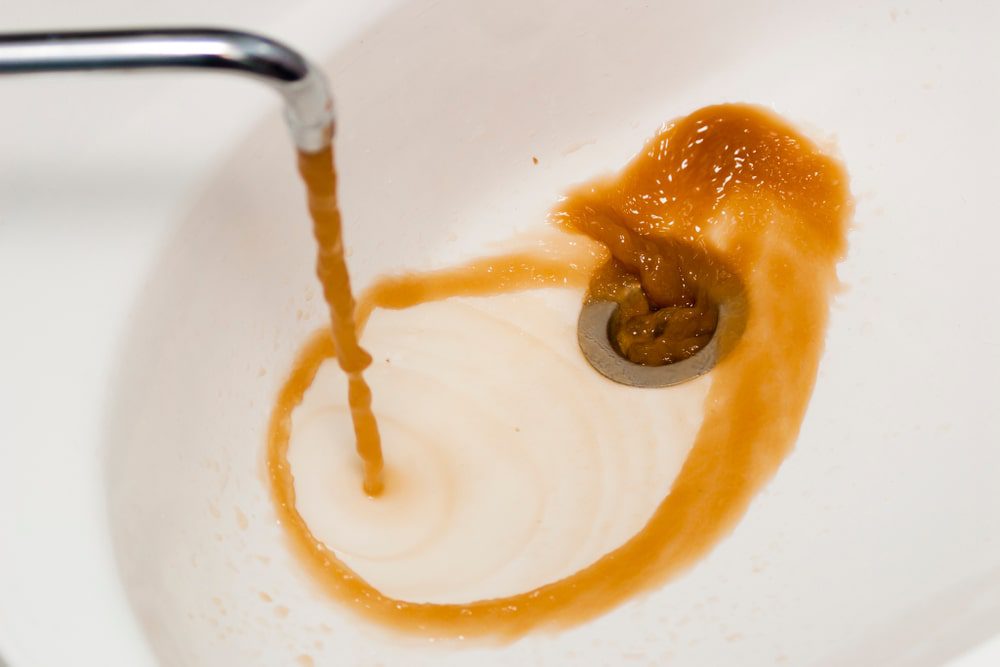 Why Is The Sink Water Brown at Alexandra Duigan blog
You can even grab a glass and hold it to the light. Is it more tea-colored or root-beer? Life is more fun when you treat weird moments as tiny adventures.
And remember: every brown tap is a reminder that your home is alive—water is moving, metals are aging, and you’re learning. That’s way better than boring tap water, right?
The Uplifting Takeaway
Your brown sink water isn’t a disaster; it’s a story. It’s the universe teaching you about sediment, iron, and the humble heroics of your plumbing system.
Next time you see brown water, take a breath. Run the tap, grab a coffee, and wait. Clarity always comes back.
You now know more than 90% of people about your water’s inner life. That makes you a kind of water detective—ready to solve the next mystery your home throws at you.
So go ahead: share this wisdom with a friend. Laugh at the brown water. And then keep learning—because everything, even a rusty faucet, has a little lighthearted brilliance to uncover. Cheers to curiosity!
