Why Water Pollution Is Bad

Okay, let’s be real for a second. Water pollution is bad news bears, like, really bad. Think of it as the hangover of the planet—except it lasts for decades and nobody’s havin...

Okay, let’s be real for a second. Water pollution is bad news bears, like, really bad. Think of it as the hangover of the planet—except it lasts for decades and nobody’s having a good time. We’re talking about our lakes, rivers, and oceans getting doused with nasty stuff, and it’s a total party foul.
First: Yuck, What’s in There?
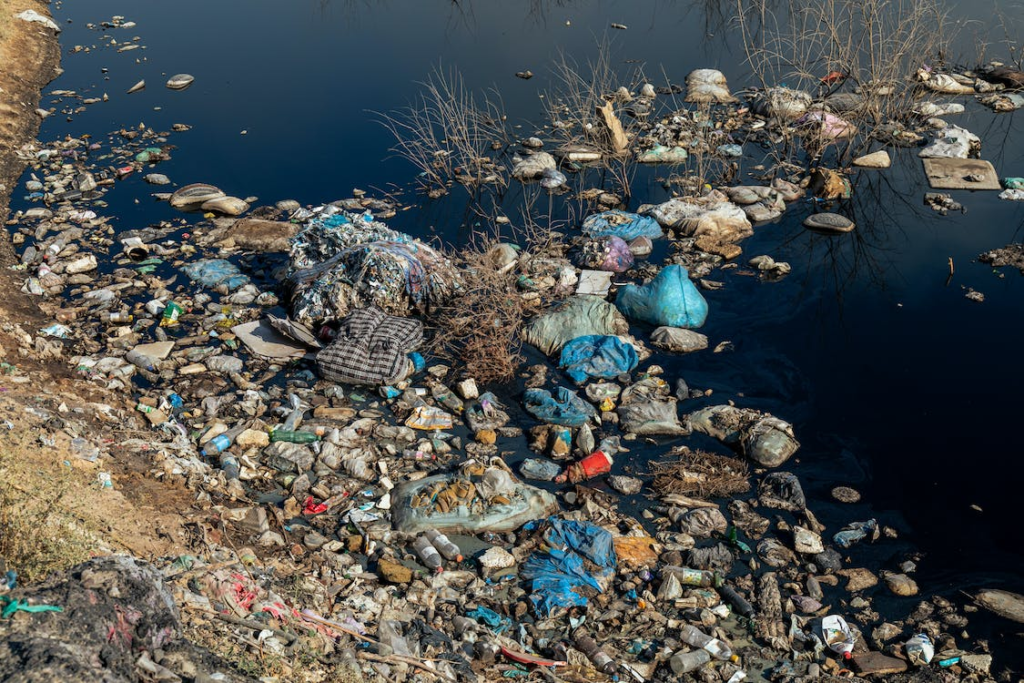
Imagine your morning coffee, but instead of fresh brew, it’s got motor oil, plastic glitter, and leftover mustard floating in it. That’s basically what happens to water when we dump chemicals, trash, and poop into it (sorry, but it’s true). These uninvited guests—like pesticides, heavy metals, and microplastics—turn our lovely H2O into a toxic soup.
And guess what? That soup doesn’t just disappear. It hangs out, gets cozy, and makes the water smell like a teenager’s gym bag. Not exactly the refreshing swim you were hoping for, right?
Must Read
Fish Are the First Victims (And They’re Not Happy)
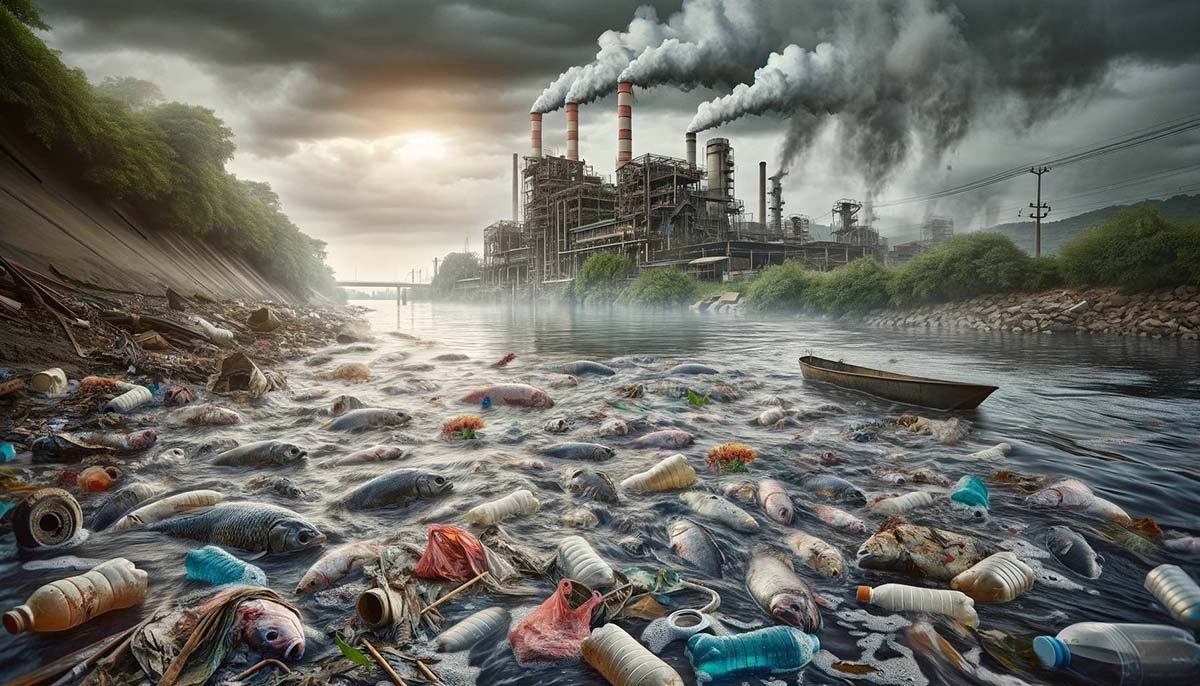
Let’s talk about our finned friends. Fish don’t have a vote, but they’re the ones wearing the consequences. When pollution hits a river, it can cause dead zones where oxygen levels drop so low that fish basically suffocate. Imagine trying to breathe through a straw filled with glue—that’s their reality.
And it gets worse: some chemicals mess with fish hormones, turning male fish into female fish. I’m not joking—this is called “intersex” in fish, and it’s a real thing. So while you’re stressing about your to-do list, fish are figuring out their gender identity. Talk about unexpected drama.
Plus, have you seen a fish with a plastic six-pack ring around its belly? It’s not a fashion statement. It’s a death sentence. Thanks, litterbugs.
Wait, We Eat Those Fish!
Here’s where it gets personal. You know that sushi you love? That salmon you grill on Tuesday? That tuna salad sandwich? Yeah, those fish are eating the pollution, and then you’re eating the fish. It’s called bioaccumulation, which is a fancy word for “poison passes up the food chain.”
So mercury and other nasties build up in big fish like tuna and swordfish. Eat too much, and you might get mercury poisoning—which causes brain fog, tremors, and bad vibes. Suddenly, that “fun fact” about fish is less fun and more “please pass the veggie burger.”
 Water Pollution - Why It's Bad & How You Can Prevent It - Highlands
Your Tap Water Is Not Immune
Even if you don’t eat fish, water pollution finds you. Think about your drinking water. If a factory dumps chemicals into a river upstream from your town, guess what’s coming out of your faucet? Yep. That’s why cities spend billions on treatment plants, but they can’t filter out everything.
Lead pipes? That’s a classic pollution party trick. Flint, Michigan, anyone? When water gets corrosive from pollution, it eats away at pipes and releases lead into your glass. Lead is bad for kids’ brains—it can lower IQ, cause behavior issues, and make homework even harder. Not the kind of “learning experience” anyone signed up for.
And the Beach? More Like a Biohazard Zone
Remember that cute beach day with your friends? Well, water pollution turns it into a gross-out contest. Sewage overflows and agricultural runoff can make the water full of bacteria like E. coli and fecal matter. Translation: you might swim in what is essentially a giant toilet. No amount of sunblock will fix that.
Red tides (harmful algae blooms) are another pollution treat. They make the water look like tomato soup, smell like rotting eggs, and produce toxins that can close beaches and kill marine life. Suddenly, “slip, slop, slap” sounds like a warning, not a sunscreen jingle.
Don’t Forget: It Costs You Money
Pollution isn’t just gross—it’s expensive. Think about fishing, tourism, and water treatment. Clean water is a billion-dollar industry. When the water’s dirty, fishing collapses, tourists stay home, and your water bill goes up. It’s like paying for a broken blender: you get nothing but noise.
And let’s talk about cleanup. Removing plastic from the ocean costs billions of dollars each year. Billions! That money could go to schools, parks, or even free pizza for everyone. But nope, we’re spending it on trash removal because we couldn’t be bothered to recycle a bottle. Oops.
 Carbonated Water Ill Effects at Ryan Brooks blog
The Ripple Effect (Pun Intended)
Water pollution also messes with the entire ecosystem. Frogs get deformed, birds eat contaminated insects, and plants absorb toxins. Before you know it, you’ve got a whole web of messed-up life—and we’re tangled in it too. Ever heard of “dead zones” in the Gulf of Mexico? That’s where the Mississippi River dumps so much fertilizer that the ocean floor becomes a ghost town. Imagine the ocean going “I’m tired of this, I’m out.”
It’s like a domino effect, except the dominos are on fire. Fun, right?
But Here’s the Good News (I Promise!)
Okay, I’ve been a total downer, but here’s the twist: you can help. And it’s easier than you think. Do small stuff: pick up litter, use less plastic, don’t flush weird things down the toilet (no “flushable” wipes actually flush nicely), and choose eco-friendly soaps. Every little bit adds up, like spare change in a piggy bank for the planet.
Also, vote for leaders who care about clean water. Support local groups that clean rivers. And if you see a polluted stream, report it—don’t just pretend it’s modern art. Because every drop of clean water is a victory dance for the Earth.
Here’s the uplifting part: humans are awesome at fixing things. We invented the internet, chocolate, and dog parks. We can totally fix water pollution. It’s not a lost cause—it’s a weird, messy, but solvable puzzle. And you’re holding the pieces.
So go ahead, drink your water, hug a river (metaphorically), and smile. Because while water pollution is bad, we’re good—and we’ve got what it takes to make the seas sparkle again. Cheers to that.
