Why Is The Tap Water Milky

You know that moment when you pour a glass of water, and it looks like someone secretly added a splash of milk? It’s a little jarring, right? Your first thought might be, “Did...
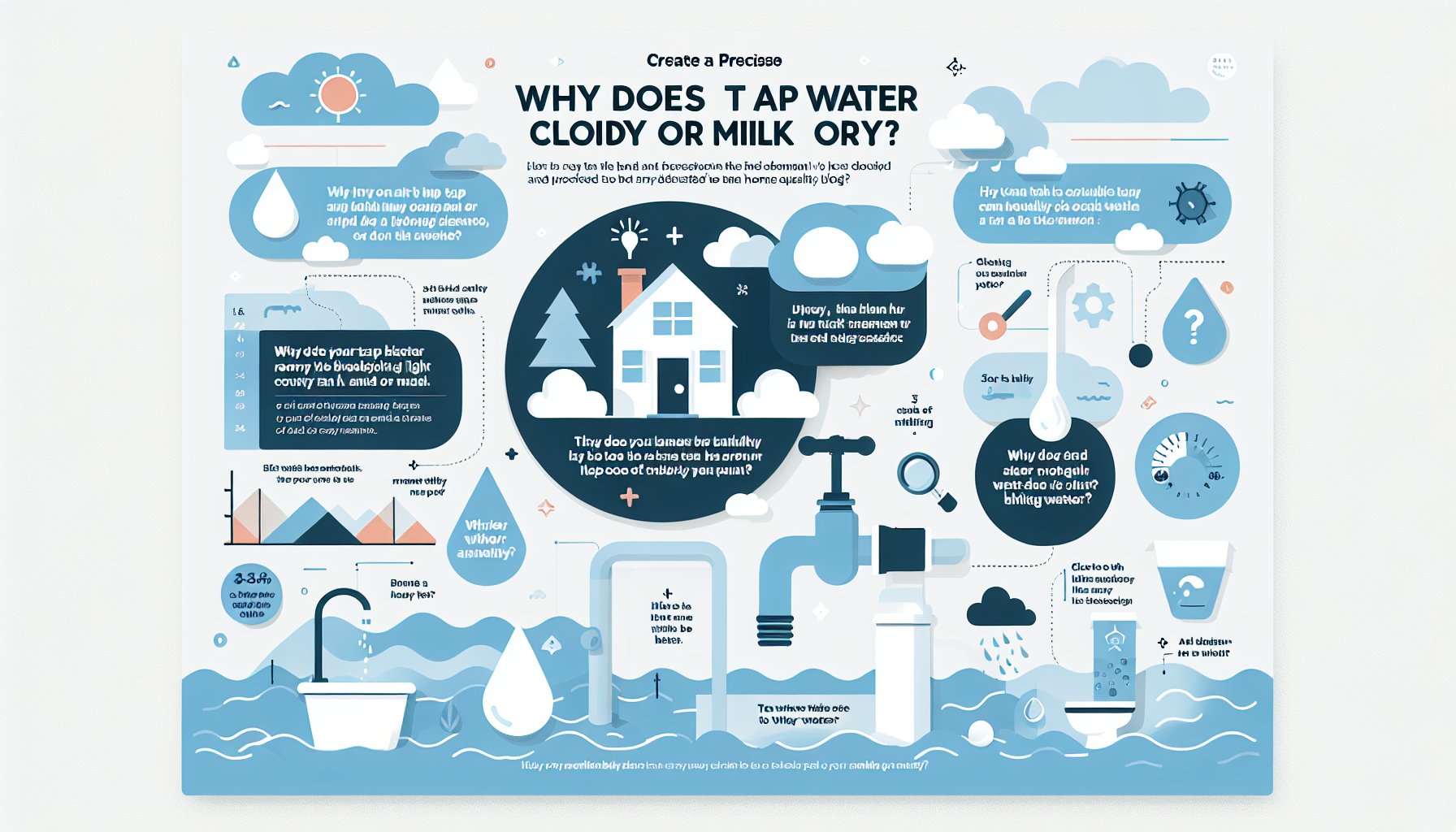
You know that moment when you pour a glass of water, and it looks like someone secretly added a splash of milk? It’s a little jarring, right? Your first thought might be, “Did the pipes just get a new hobby?” But don’t worry—your tap water isn’t trying to pull a fast one on you. That milky, or cloudy, appearance is actually a cool little science trick, and it’s almost always harmless.
So, what’s the deal? Why is your tap water suddenly channeling a cloudy, white vibe? Let’s get into the fizz—literally. The most common reason is tiny air bubbles trapped in the water.
Think of it like opening a bottle of soda, but way less dramatic. When your water comes from the main supply, it’s under pressure. That pressure forces air into the water, dissolving it like a hidden superpower. Then, when you open the tap and the water hits the lower pressure of your glass, that air is like, “Peace out!” and forms thousands of microscopic bubbles.
Must Read
The Bubble Effect: It’s Just Miniature Champagne
Imagine a glass of champagne—all those tiny bubbles racing to the top. Now, imagine that, but with plain old H2O and zero alcohol. That’s your tap water! The cloudiness is just those bubbles scattering light, making the water look white or milky.
This is a temporary illusion. If you let the glass sit on the counter for a minute or two, you’ll see something magical: the cloudiness clears from the bottom up. Those bubbles float to the surface and pop, leaving crystal-clear water behind.
It’s like watching a tiny storm settle. It’s not dirty, it’s not dangerous—it’s just physics showing off. And honestly? It’s a pretty neat party trick for your kitchen counter.
How to Test If It’s Just Air
Here’s a simple experiment to prove what’s going on. Pour a cloudy glass of tap water and set it aside. Then, pour a second glass and watch it closely. Does the water start clearing from the bottom, like a slow-motion sunrise?
If yes, you’ve got aerated water. Another test: fill a clear bottle halfway, shake it up, and look at the bubbles. They’ll look exactly like the cloudiness in your glass. It’s the same fizzy phenomenon, just without the fizz.
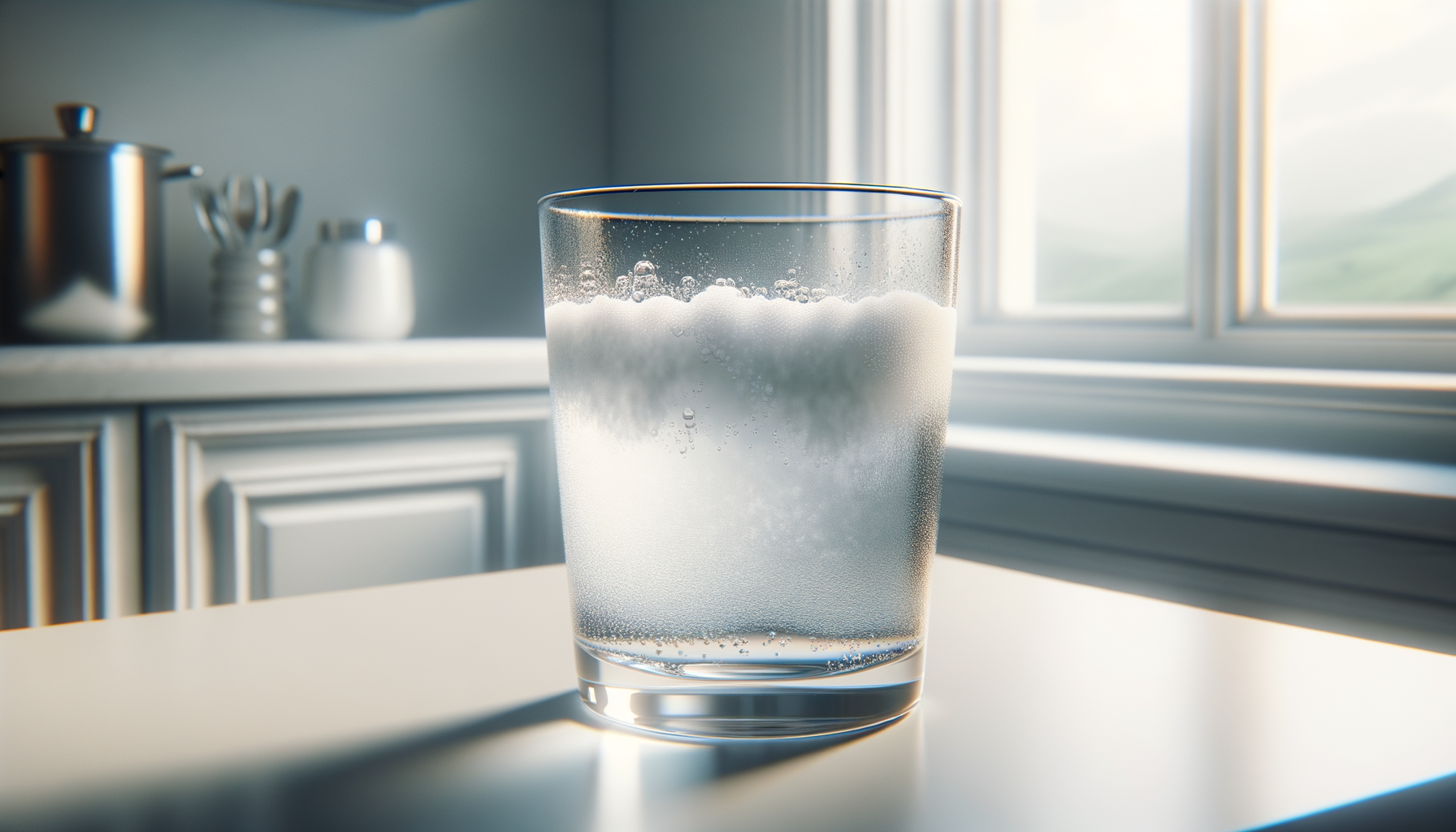 Why Is My Tap Water Cloudy or Milky?
This sometimes happens more often in cold weather, because cold water can hold more dissolved air. Kind of like how your breath fogs up on a chilly morning—it’s just condensation and physics having a chat.
But Wait—Could It Be Something Else?
Rarely, that milky look comes from sediment, like tiny rock particles or minerals. That’s a different story. Sediment usually settles at the bottom of your glass, not clearing from the bottom up. And it often leaves a gritty feel on your tongue.
If you see a white powdery residue after the water evaporates, you might have hard water, which is high in calcium or magnesium. That’s not dangerous—many people actually prefer the taste—but it can cause limescale in your kettle. Not scary, just a little annoying.
But the most common culprit? Yep, air bubbles. And that’s honestly kind of cool. Your water is just breathing.
Why This Is Actually Interesting
Think about it: you’re watching invisible air become visible. Normally, air is see-through and boring. But when it’s trapped in water in millions of tiny pockets, it turns into a cloudy spectacle. It’s like a magic trick that happens in your own kitchen.
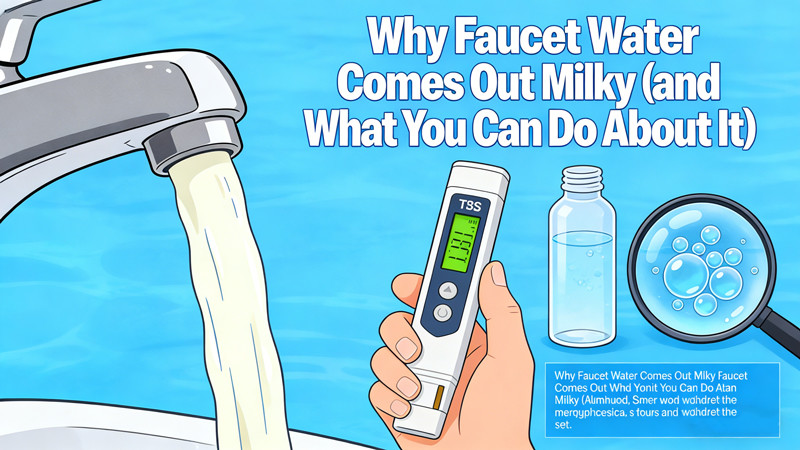 Why Faucet Water Comes Out Milky (and What You Can Do About It)-WOWOW
This also explains why a lot of restaurants use cloudy ice from commercial ice machines. Those machines shake up the water, trapping air and creating that opaque look. It’s not dirty—it’s just artfully fizzy.
So next time you pour a cloudy glass, take a moment to appreciate it. You’re witnessing a tiny physics show—air escaping from a liquid prison. Pretty rad, right?
Final Sip of Wisdom
At the end of the day, that milky tap water is perfectly safe to drink. It’s just air having a party. If you want to feel extra clever, tell your friends, “Oh, that’s just dissolved air decompressing—common in pressurized water systems.”
You’ll sound like a genius while they watch their glass clear up. And if you’re still nervous, run the water for a few seconds first—that often lets the pressure settle and reduces the bubbles.
So go ahead, take a sip. Your water is just fizzy without the fizz, and that’s a pretty cool thing to learn over your morning coffee… or, you know, your cloudy H2O.
