How Long Does A Water Last

Let’s be honest: you’ve stared at a water bottle on your desk and wondered, is this still good? Or maybe you’ve chugged a glass that’s sat by your bed for two nights. Sound fa...
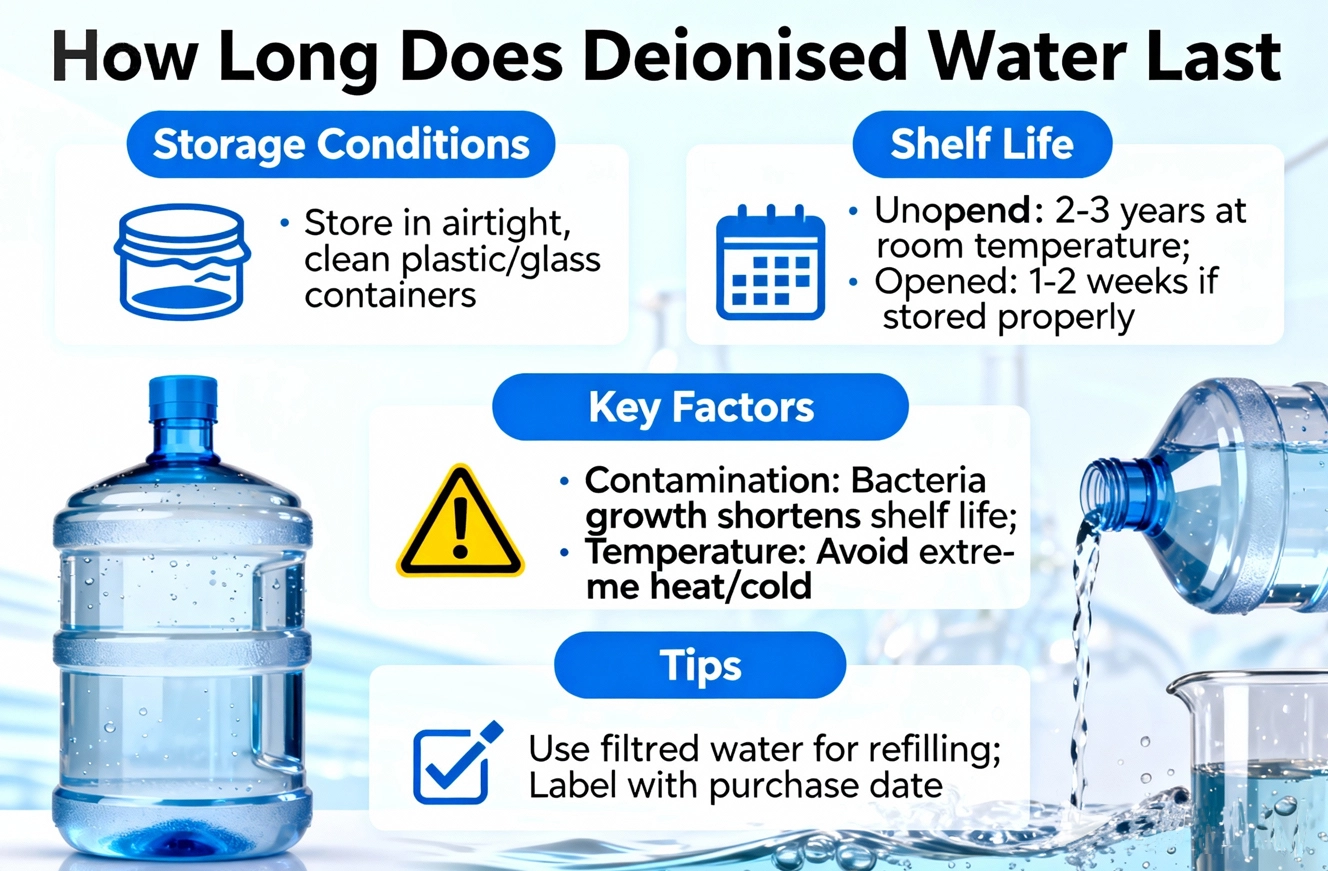
Let’s be honest: you’ve stared at a water bottle on your desk and wondered, is this still good? Or maybe you’ve chugged a glass that’s sat by your bed for two nights. Sound familiar? Don’t worry—you’re not alone, and we’re about to clear up the mystery with a big, refreshing splash of science and common sense.
First, the short answer: tap water can last for about 6 months if stored properly in a clean, sealed container. But—and here’s the fun part—water itself doesn’t really “go bad” like milk or bread does. It’s what gets into the water that changes the story.
So, why does water ever taste weird?
Water is a natural solvent, which is a fancy way of saying it loves to pick up flavors and particles. If you leave a glass of tap water out overnight, it’s absorbing carbon dioxide from the air. That’s why it starts tasting a little flat or slightly sour the next morning.
Must Read
But here’s a fun twist: that’s not dangerous. It’s just boring. Your taste buds are just getting a tiny chemistry lesson! The real enemies are bacteria, algae, and dust that can sneak in if you leave the lid off or store your bottle near a sweaty gym bag.
Bottled water vs. tap: the shelf life showdown
Check the bottom of a store-bought plastic bottle. See that date? That’s not an expiration—it’s the “best by” date for the plastic and the taste. Manufacturers give it about 2 years because, over time, tiny bits of plastic chemicals could leach into the water.
But listen: that water is still safe to drink after the date! You might just notice a faint “plastic-y” flavor. Want to avoid that? Switch to glass or stainless steel. Your water stays crisp and planet-friendly for much longer.
 How Long Does Bottled Water Last? Is Bottled Water Safe after Its
What about that emergency stash in your car or garage?
If you’ve got a case of water bottles baking in your trunk from last summer, don’t panic. Stored in a cool, dark place? You’re golden for 1–2 years. But if the car has turned into a sauna, those bottles are a no-go. Heat makes plastic leach faster and can grow algae if even a speck of sunlight hits the container.
Pro tip: Write the date on a piece of tape and slap it on your emergency jug. Rotate it every 6 months. It’s like giving your future self a little time-capsule gift of fresh hydration!
Signs your water is actually too old
Still not sure? Use your senses. If the water looks cloudy, smells like swamp or rotten eggs, or has floating specks, do not drink it. That’s a clear signal that bacteria or sediment have moved in. When in doubt, toss it out—but honestly, this almost never happens with regular tap or store-bought bottles.
And here’s a secret: water that tastes a little “off” from being in a metal bottle? That’s usually just harmless minerals or a bit of oxidized metal. Rinse it out and refill—you’re good to go.
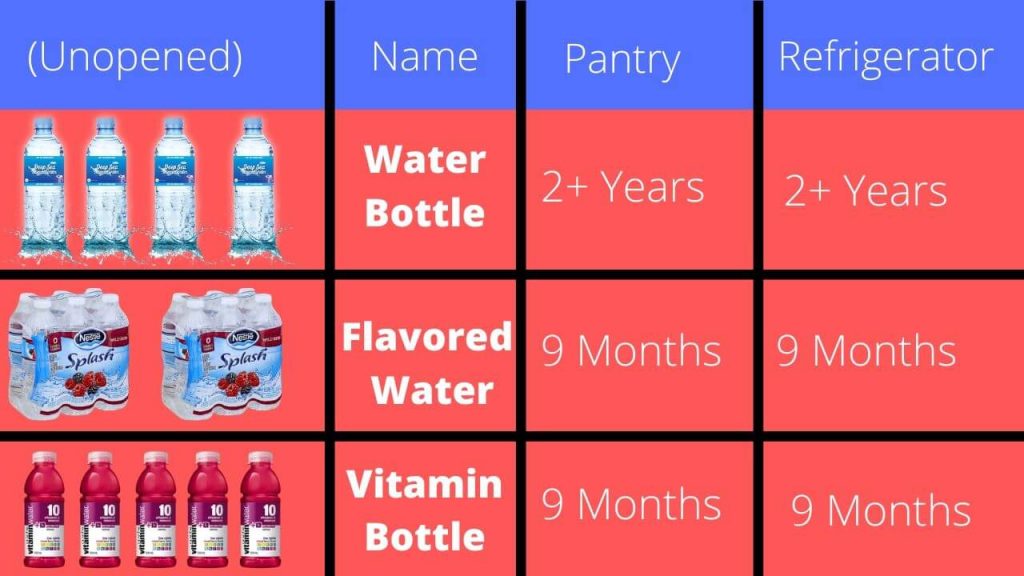 How Long Does Water In Plastic Bottles Last | Detroit Chinatown
How to make your water last (and taste great!)
Rule #1: Keep it covered. A lid is your water’s best friend. It blocks germs, dust, and those weird airborne flavors from last night’s garlic bread. Rule #2: Store it cool and dark. Kitchens and fridges are perfect; sunny windowsills are a one-way ticket to algae town.
Want to get fancy? Add a slice of lemon, cucumber, or mint to boost flavor—just change it daily. That infused water is good for about 24–48 hours in the fridge. After that, the fruit turns into a science experiment (and not a fun one).
The big, inspiring truth
here’s the uplifting note: Water doesn’t expire in a scary way. It’s one of the safest, most forgiving things you’ll ever consume. You can leave a sealed bottle for months, grab it on a hot day, and it will still hydrate you perfectly. That’s a little miracle, right?
So go ahead—stop worrying about the clock. Take a swig from that “old” water, trust your senses, and appreciate how easy it is to stay alive and healthy. Then, maybe learn a little more about the water cycle, or how to filter your own stash at home. Curiosity is the best thirst-quencher—and now you’ve got one less thing to fret about. Bottoms up!
