Does Warm Water Kill Germs

So, you’ve probably heard someone say, “Wash your hands with hot water, it kills the germs.” But have you ever really stopped to wonder if that’s true? I mean, we’re talking a...
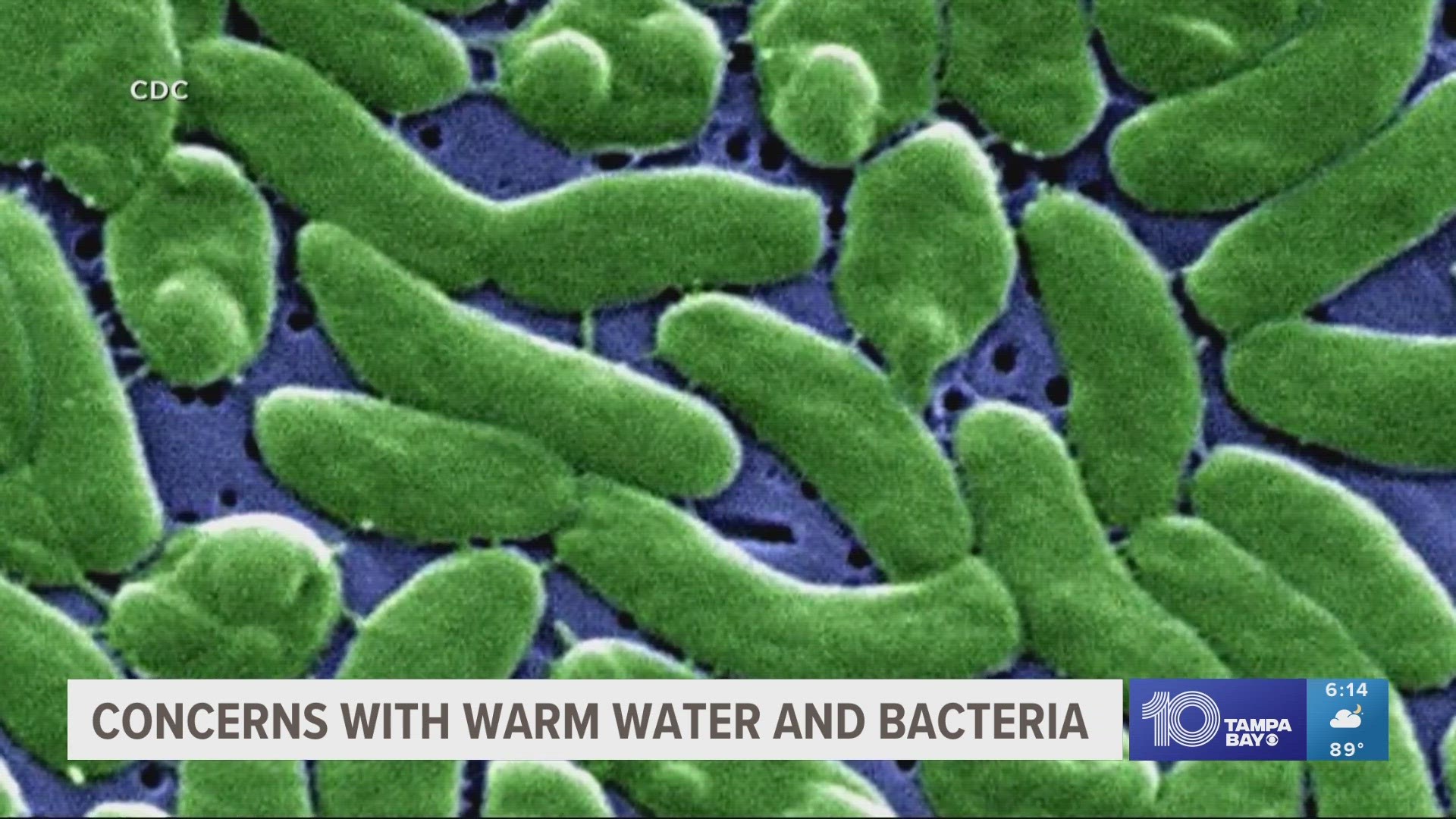
So, you’ve probably heard someone say, “Wash your hands with hot water, it kills the germs.” But have you ever really stopped to wonder if that’s true? I mean, we’re talking about water from your tap, not a steaming geyser. Let’s dive in and find out if warm water is actually the germ-busting hero we think it is.
The hot truth about temperature
Here’s the thing: most germs love warm, cozy environments. Your body is a perfect 98.6°F, which is basically a five-star hotel for bacteria and viruses. To actually kill them, you’d need water hot enough to scald your skin—think 140°F or higher.
Your tap water usually maxes out around 120°F, which is more like a lukewarm bath for germs. At that temp, it’s a relaxing spa day for them, not a death sentence. So, no, plain warm water isn’t doing the heavy lifting.
Must Read
What warm water does do (and it’s cooler than you think)
Okay, so warm water might not kill germs, but it’s amazingly powerful in a different way. Think of it like a grease-fighting ninja. Warm water helps soap molecules work better by loosening up oils and dirt where germs hide.
It’s like trying to wash a greasy pan with cold water—it just smears the mess around. Warm water dissolves that grime, letting soap get deep into the nooks and crannies. So while the water isn’t a germicide, it’s the wingman that helps soap do its real job.
So, what actually kills germs?
Here’s where it gets interesting: the friction from scrubbing your hands does more killing than the heat. Imagine rubbing a greasy stain—that mechanical action physically rips germs off your skin. Combined with soap, which breaks down their outer shells, you’re basically launching a two-pronged attack.
It’s a bit like using a pressure washer instead of a garden hose. The force matters more than the temperature. So, while warm water feels nice, the real heroes are suds and muscle.
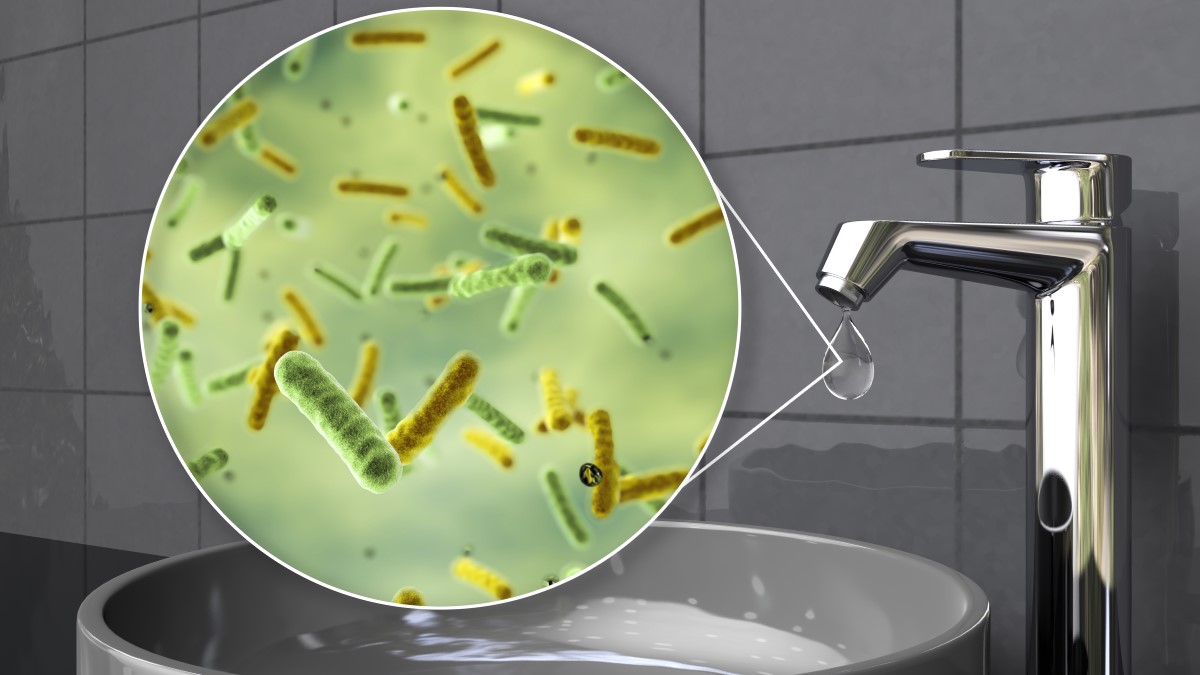 How To Boil Water To Kill Bacteria
What about washing dishes, clothes, or cleaning?
For dishes, warm water is crucial for removing greasy food residue that germs latch onto. But to actually sanitize, you’d need a dishwasher’s high heat or a bleach rinse. For laundry, hot water (130°F+) can kill dust mites and some bacteria, but even warm cycles are better at rinsing away pathogens.
Here’s a wild comparison: think of warm water as a map and soap as the treasure hunter. The map shows where the germs are hiding (in the oils), but the hunter still has to dig them out. Cold water is like using a map written in invisible ink—you’re just guessing.
Why we still love warm water
Let’s be real: warm water just feels cleaner. Our brains are wired to associate warmth with comfort and safety. It’s the same reason a hot shower on a cold morning feels like a hug from the universe. That psychological boost matters—it makes us scrub longer and more thoroughly.
Plus, dermatologists say hot water can strip your skin of natural oils, causing dryness or irritation. Lukewarm water is the sweet spot: enough to dissolve grime without turning your hands into sandpaper. So, you get the best of both worlds.
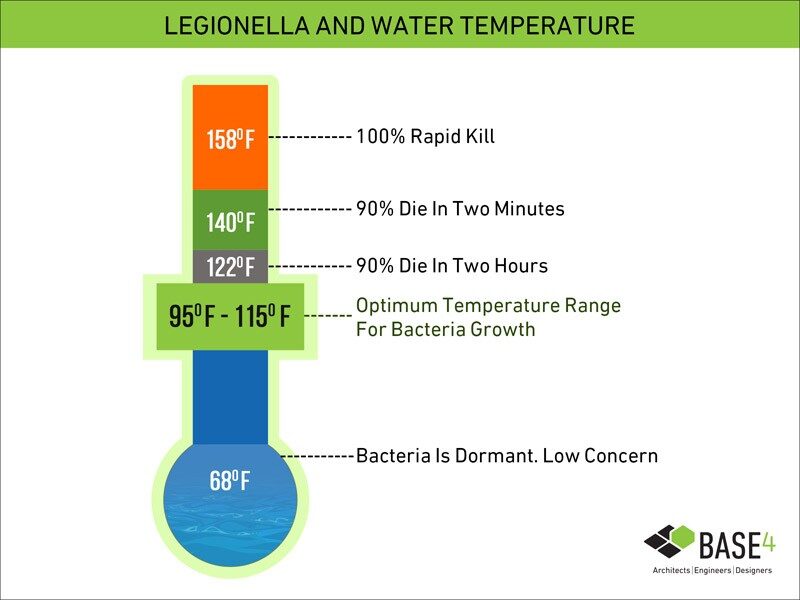 Does A Hot Water Heater Kill Bacteria at Isabel Kleeman blog
The one time warm water might help
If you’re boiling water—say, to purify it—then yes, 212°F kills almost everything after a minute. But that’s not “warm”; that’s a hellstorm for germs. Similarly, steam cleaning uses temperatures above 210°F to sanitize floors and fabrics. That’s a whole different league.
So, for everyday handwashing, don’t stress about the dial. Focus on technique: lather up, scrub for 20 seconds (sing “Happy Birthday” twice), and rinse. The warm water is just there to make the whole experience nicer.
Final thought: It’s the team, not the star
Think of it this way: warm water is like the sidekick in a superhero movie—not the one who saves the day, but essential for the hero to win. Soap and friction are the actual caped crusaders. Warm water? It’s Robin. Or maybe Alfred, making sure everything runs smoothly.
So, next time you wash your hands, don’t worry if the water isn’t scorching. Soap + rubbing + time is your winning combo. And honestly? It’s way more fascinating that a simple mechanic like scrubbing does the germ-killing work, not just heat. Science is cool, huh?
