How Does A Pur Filter Work

Ever stared at your Brita or Pur pitcher and wondered what’s actually happening in there? It’s pretty magical, if you think about it. That little plastic tower is quietly turn...
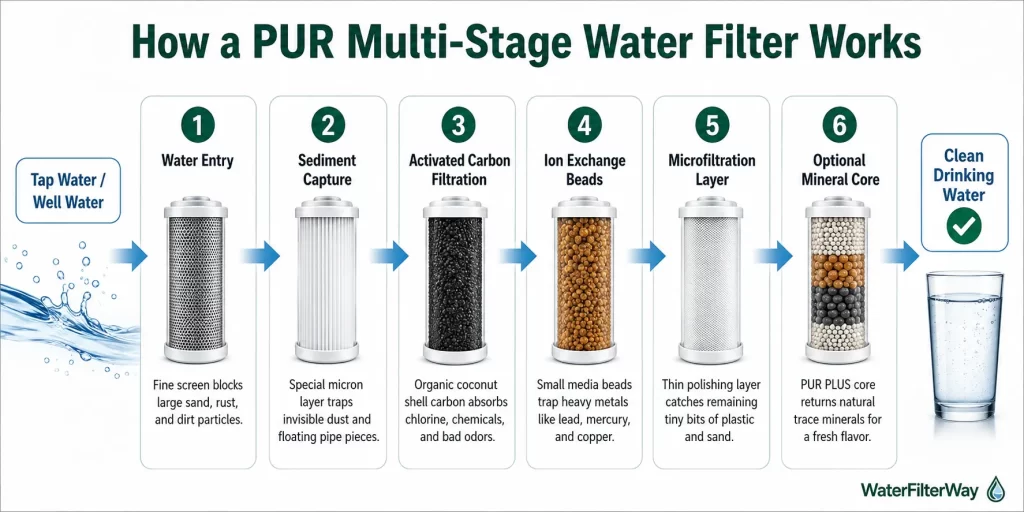
Ever stared at your Brita or Pur pitcher and wondered what’s actually happening in there? It’s pretty magical, if you think about it. That little plastic tower is quietly turning tap water into something that actually tastes good.
The Big Secret: It’s Not Just a Fancy Sieve
Here’s the thing—a Pur filter isn’t like a strainer catching big chunks. It’s more like a microscopic scavenger hunt for tiny, invisible stuff. We’re talking about things you can’t see, like lead, chlorine, and weird medicinal tastes.
So how does it catch them? Imagine a tiny, super-dense sponge that’s also a magnet for nasty bits. That’s basically what’s inside that white cylinder.
Must Read
Stage One: The Mechanical Bouncer
First up is a physical barrier. Water flows through a mesh that blocks the big, chunky particles—think sand, silt, or rust flakes. It’s like a bouncer at a club who only lets the small, polite molecules through.
This part is simple, but it does a crucial job. It protects the more delicate, smart parts of the filter from getting clogged. Pretty clever, right?
Stage Two: The Chemical Ninja (Activated Carbon)
Now we get to the star of the show: activated carbon. This stuff is like a sponge on steroids. The carbon is “activated” by heating it to crazy high temperatures, which creates millions of tiny pores.
Think of it as a cave system for water molecules. As the water flows through, the carbon traps chemicals like chlorine—the stuff that makes tap water smell like a swimming pool. It also grabs pesticides and weird organic compounds that mess with taste.
But here’s the cool part: carbon doesn’t just trap things physically. It’s a chemical ninja that adsorbs them (not absorbs). That means the bad stuff sticks to the surface of the carbon like Velcro.
 How Does Pur Water Filter Work: Ultimate Guide To Clean Water - RO System
Stage Three: The Ion-Exchange Dance (The Lead Catcher)
This is where Pur filters get really interesting. They often have a special resin that tackles heavy metals like lead and mercury. How? Through a sneaky little dance called ion exchange.
Imagine the resin is covered in friendly, harmless sodium ions. When a nasty lead ion floats by, the resin says, “Hey, take my seat!” and swaps the sodium for the lead. The lead gets locked in, and the sodium—which is totally fine in tiny amounts—stays in your water.
It’s like swapping a bad houseguest with a nice neighbor. The water leaves cleaner, and you never even knew the trade happened.
Why It’s Actually Cool (Not Just Useful)
So why should you care? Because this tiny tower is doing what a water treatment plant does, but on your countertop. You’re basically a micro-engineer every time you pour a glass.
And there’s a fun paradox: the cleaner your water gets, the more the filter slows down. As it catches more stuff, the pores get clogged. That’s why you have to change it every few months—it’s a sign it’s been working hard.
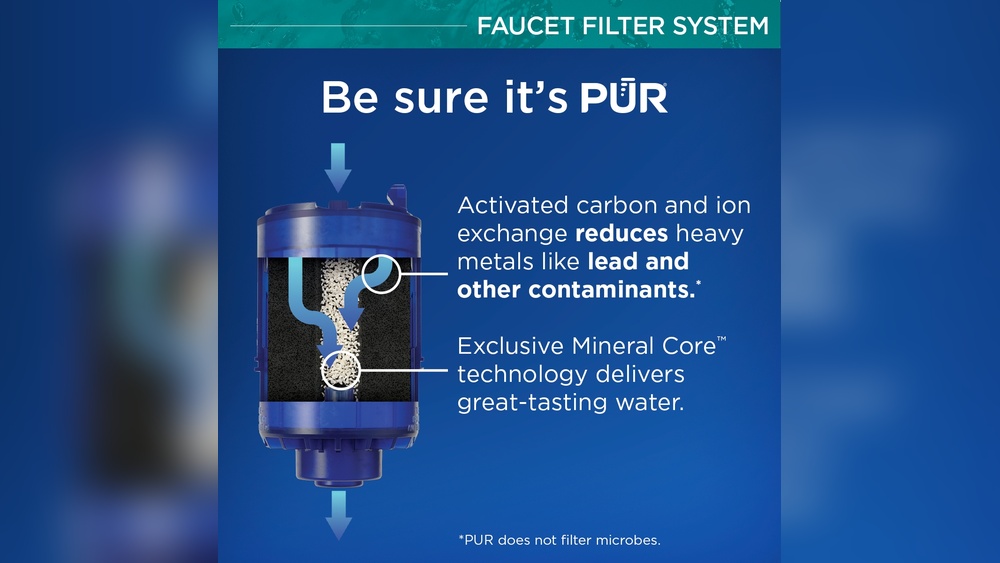 How Does Pur Water Filter Work: Ultimate Guide To Clean Water - RO System
Does It Catch Everything? (Spoiler: Nope)
Here’s the honest truth: Pur filters are great, but they’re not magic wands. They won’t remove viruses, bacteria, or dissolved salts like fluoride (unless you get a special model). That’s not the filter’s job.
They’re designed for aesthetic improvements—better taste, less smell, and reduced heavy metals. If you want to remove every single thing, you need a reverse osmosis system, which is a whole different beast.
For most of us, though, a Pur filter is the perfect middle ground. It’s like a thoughtful friend who fixes the annoying stuff without making a huge fuss.
The Takeaway: Simple Science, Delicious Results
Next time you fill that pitcher, give it a little nod of respect. Inside that plastic shell, carbon is hugging chlorine, resin is swapping ions, and a mesh is playing bouncer. All while you were looking for your car keys.
It’s a tiny, quiet party of chemistry and physics—and it’s making your tap water taste like a million bucks. Not bad for a gadget you picked up at the grocery store, huh?
